Abandoned places in Butte
11 abandoned and forgotten places around Butte, Elkhorn State Park (Elkhorn Ghost Town), Granite Ghost Town State Park and Canyon Creek Charcoal Kilns among them — and for each one, whether you can legally visit. Ruins, ghost towns and shuttered industry, with the ones that are trespassing or genuinely unsafe marked as such rather than romanticised. They spread across Elkhorn (near Boulder), MT, Philipsburg, Divide, Butte and 2 more areas, so two or three can make a whole afternoon. 11 of them cost nothing. Every entry is hand-vetted against real sources — not scraped off a top-ten list or averaged out of crowd ratings.
Every abandoned place we've verified, nationwide — with its legal-access status →
-
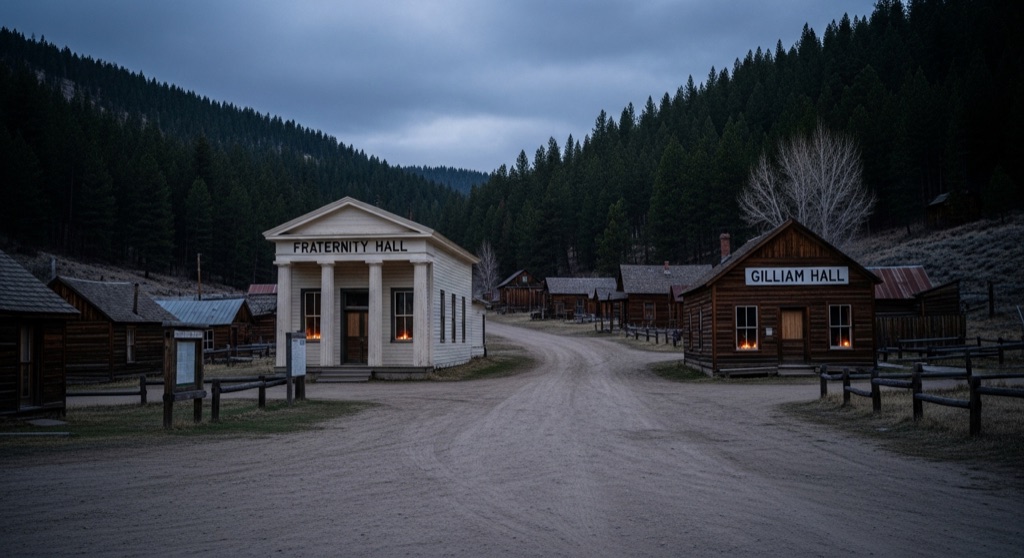 Elkhorn State Park (Elkhorn Ghost Town)Open to visit
Montana's smallest state park preserves the remnants of a silver boomtown that peaked at roughly 2,500 people before a diphtheria epidemic and falling silver prices emptied it. The two state-owned buildings, Fraternity Hall and Gilliam Hall, still stand on the main drag; Fraternity Hall is an odd fusion of Greek Revival columns and rough gold-camp carpentry, and its second floor is open to visitors. A scattering of private cabins and old structures around them means a handful of the town is still technically inhabited.
Elkhorn State Park (Elkhorn Ghost Town)Open to visit
Montana's smallest state park preserves the remnants of a silver boomtown that peaked at roughly 2,500 people before a diphtheria epidemic and falling silver prices emptied it. The two state-owned buildings, Fraternity Hall and Gilliam Hall, still stand on the main drag; Fraternity Hall is an odd fusion of Greek Revival columns and rough gold-camp carpentry, and its second floor is open to visitors. A scattering of private cabins and old structures around them means a handful of the town is still technically inhabited.
-
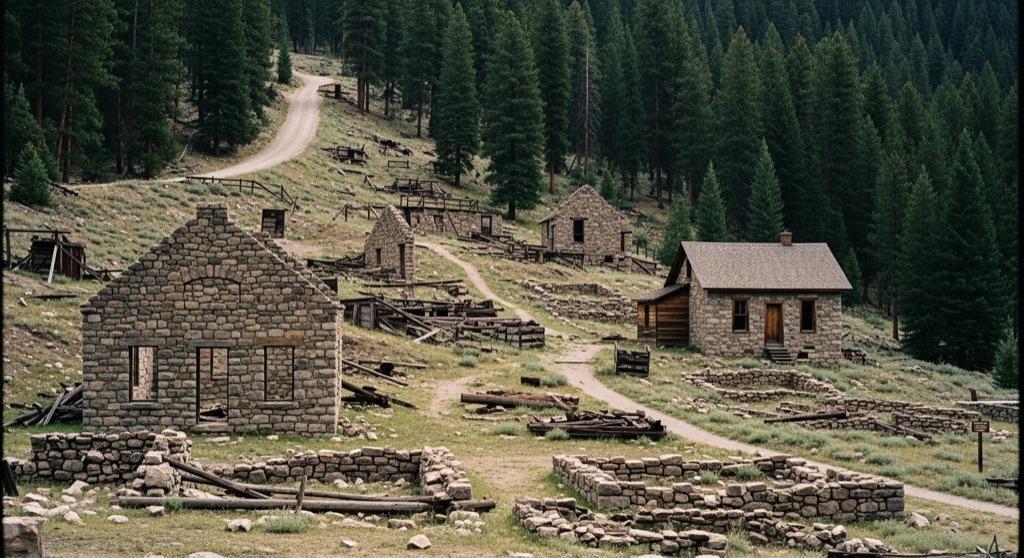 Granite Ghost Town State ParkOpen to visit
Once known as the 'Silver Queen' of Montana, this remote 1890s boomtown was home to the richest silver mine on Earth before collapsing overnight during the silver panic of 1893. Today, the mountain forest has reclaimed the town, leaving behind the impressive stone ruins of the Miners' Union Hall and the well-preserved superintendent's house. Visitors can hike through the quiet, pine-shaded trails to discover scattered foundations and remnants of this historic mining camp.
Granite Ghost Town State ParkOpen to visit
Once known as the 'Silver Queen' of Montana, this remote 1890s boomtown was home to the richest silver mine on Earth before collapsing overnight during the silver panic of 1893. Today, the mountain forest has reclaimed the town, leaving behind the impressive stone ruins of the Miners' Union Hall and the well-preserved superintendent's house. Visitors can hike through the quiet, pine-shaded trails to discover scattered foundations and remnants of this historic mining camp.
-
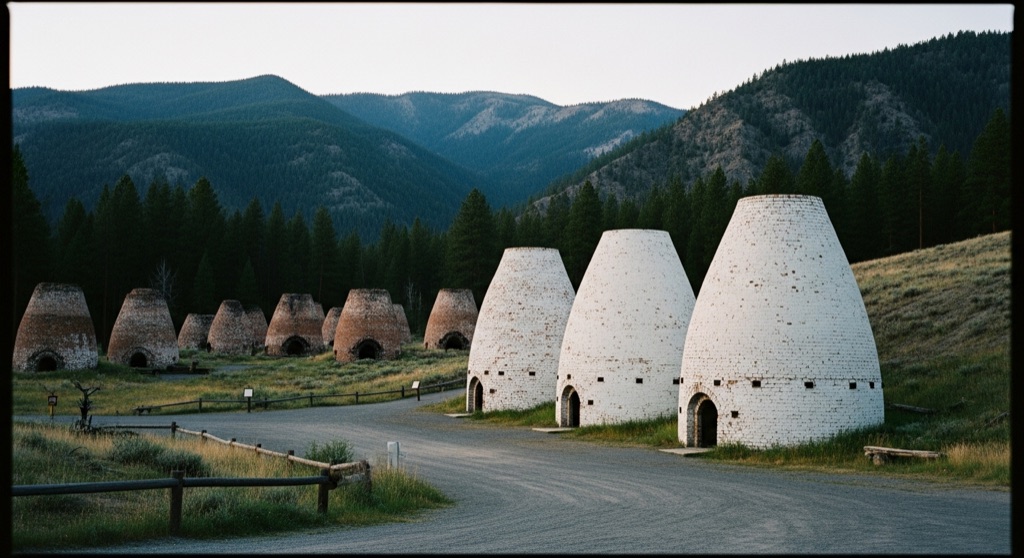 Canyon Creek Charcoal KilnsOpen to visit
Built in the mid-1880s, these 23 beehive-shaped brick kilns once produced charcoal to fuel the silver smelter in nearby Glendale. Today, the site is managed by the Beaverhead-Deerlodge National Forest, featuring three restored, white-washed kilns alongside twenty others in various states of ruin being reclaimed by nature. Visitors can explore the structures and read interpretive signs detailing the area's massive 19th-century timber-to-charcoal operation.
Canyon Creek Charcoal KilnsOpen to visit
Built in the mid-1880s, these 23 beehive-shaped brick kilns once produced charcoal to fuel the silver smelter in nearby Glendale. Today, the site is managed by the Beaverhead-Deerlodge National Forest, featuring three restored, white-washed kilns alongside twenty others in various states of ruin being reclaimed by nature. Visitors can explore the structures and read interpretive signs detailing the area's massive 19th-century timber-to-charcoal operation.
-
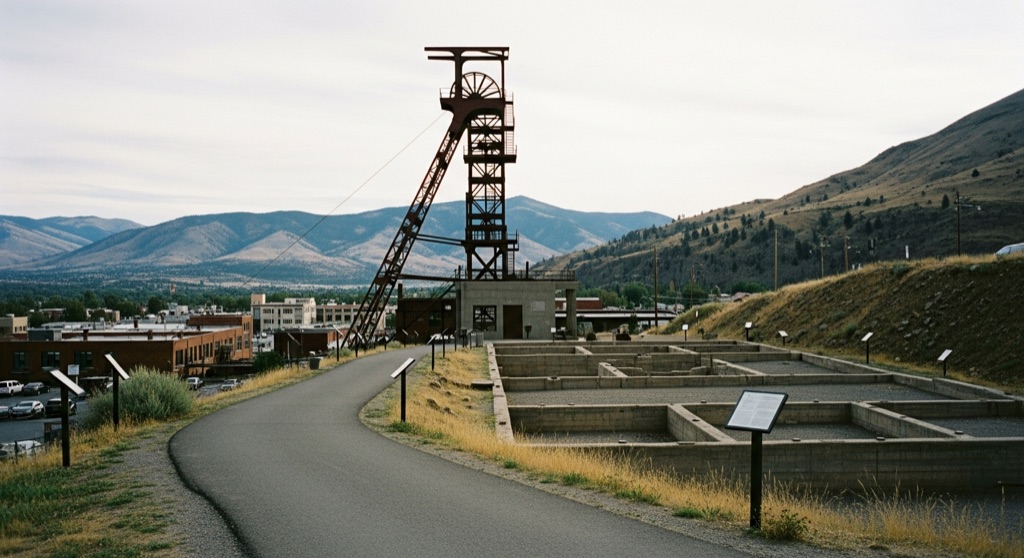 Mountain Consolidated MineView only
The Mountain Consolidated Mine, or 'The Con,' was one of Butte's most productive copper mines, operating from 1886 until 1974. Reaching a depth of 5,291 feet, it was famously known as 'A Mile High and a Mile Deep.' Today, the site has been remediated into Foreman's Park, where the towering 130-foot steel headframe and the concrete foundations of the superintendent's house still stand as silent monuments to the city's mining era.
Mountain Consolidated MineView only
The Mountain Consolidated Mine, or 'The Con,' was one of Butte's most productive copper mines, operating from 1886 until 1974. Reaching a depth of 5,291 feet, it was famously known as 'A Mile High and a Mile Deep.' Today, the site has been remediated into Foreman's Park, where the towering 130-foot steel headframe and the concrete foundations of the superintendent's house still stand as silent monuments to the city's mining era.
-
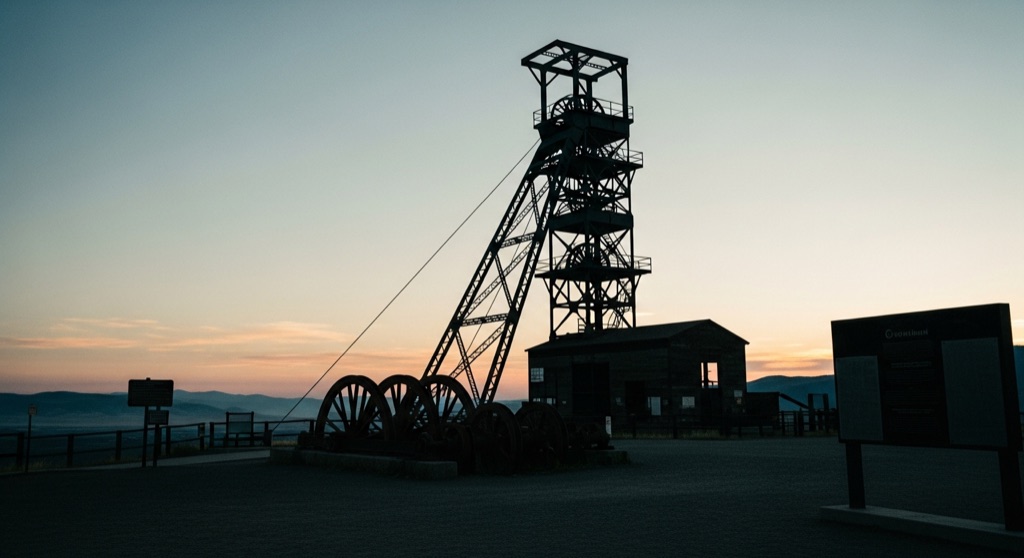 Bell-Diamond MineView only
Erected in 1898, the steel headframe of the Diamond Mine is the oldest still standing on Butte Hill, once a prominent battleground in the copper wars between industrial titans William Clark and Marcus Daly. The underground workings reached a depth of over 3,600 feet before operations ceased, and the site was later devastated by a surface explosion in 1962. Today, the towering 100-foot-tall 'gallows frame' and scattered sheave wheels remain as a stark monument overlooking the Berkeley Pit.
Bell-Diamond MineView only
Erected in 1898, the steel headframe of the Diamond Mine is the oldest still standing on Butte Hill, once a prominent battleground in the copper wars between industrial titans William Clark and Marcus Daly. The underground workings reached a depth of over 3,600 feet before operations ceased, and the site was later devastated by a surface explosion in 1962. Today, the towering 100-foot-tall 'gallows frame' and scattered sheave wheels remain as a stark monument overlooking the Berkeley Pit.
-
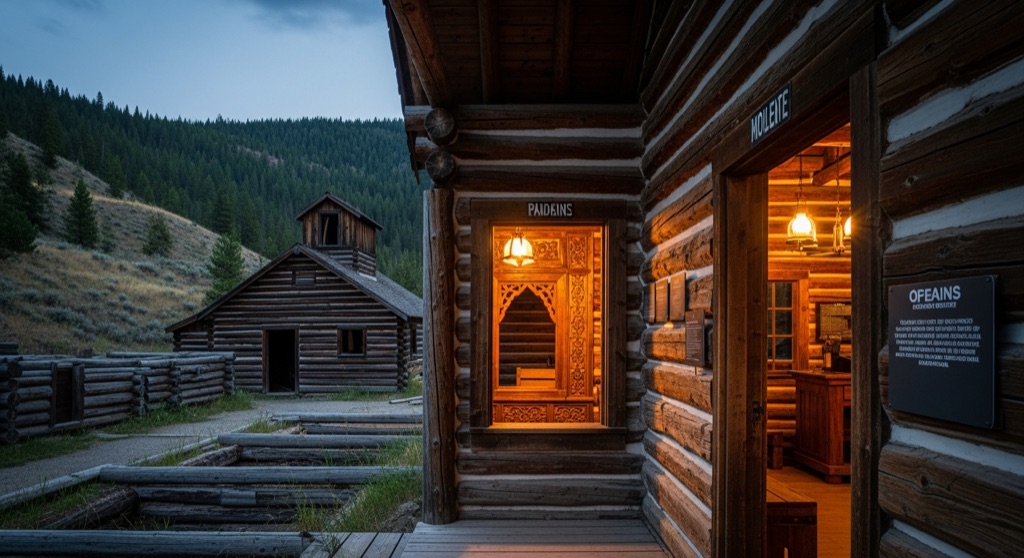 Old Highland Mine MillsiteView only
The Old Highland Mine Millsite, situated in the Highland Mountains south of Butte, was part of a historic gold mining district established in the late 1860s. While a major 2010 reclamation project by the Montana Department of Environmental Quality removed hazardous tailings and collapsed debris, historic log structures and capped waste repositories still remain. Today, the site sits quietly along the headwaters of Basin Creek, surrounded by the Beaverhead-Deerlodge National Forest.
Old Highland Mine MillsiteView only
The Old Highland Mine Millsite, situated in the Highland Mountains south of Butte, was part of a historic gold mining district established in the late 1860s. While a major 2010 reclamation project by the Montana Department of Environmental Quality removed hazardous tailings and collapsed debris, historic log structures and capped waste repositories still remain. Today, the site sits quietly along the headwaters of Basin Creek, surrounded by the Beaverhead-Deerlodge National Forest.
-
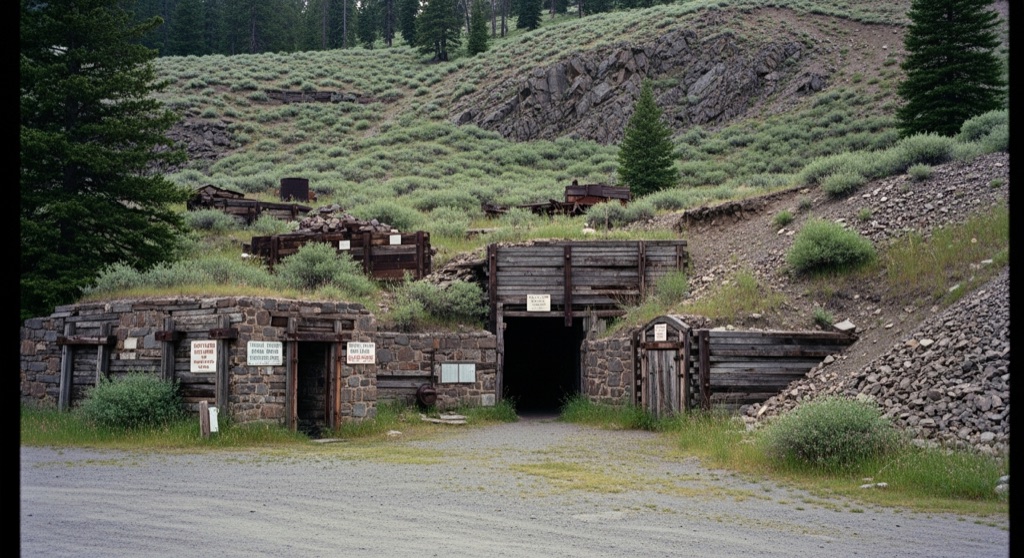 Mapleton MineAccess unclear
The Mapleton Mine is a historic gold and silver mine located on the west side of Herman Gulch in Madison County, Montana. Active in the early-to-mid 20th century, the site historically featured two adits and produced high-grade ore. Today, the mine is completely inactive, with only overgrown remnants of its old workings and tunnels remaining hidden in the gulch.
Mapleton MineAccess unclear
The Mapleton Mine is a historic gold and silver mine located on the west side of Herman Gulch in Madison County, Montana. Active in the early-to-mid 20th century, the site historically featured two adits and produced high-grade ore. Today, the mine is completely inactive, with only overgrown remnants of its old workings and tunnels remaining hidden in the gulch.
-
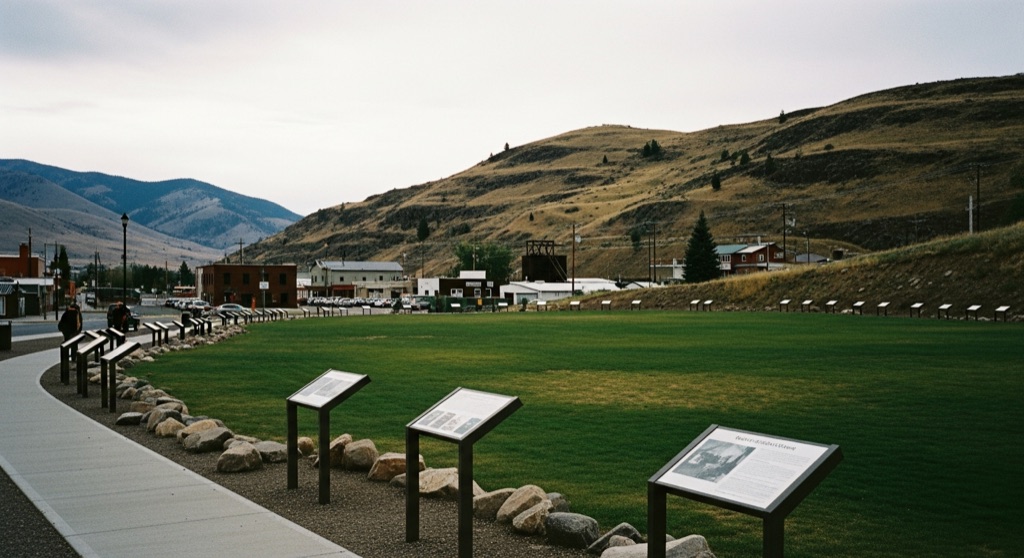 Old Glory MineView only
Located in Butte's historic Centerville neighborhood, the Old Glory Mine was established in 1876 by Meredith Fifer and later developed into a 500-foot-deep copper and silver producer. Acquired by the Anaconda Copper Mining Company in 1910, the mine was eventually closed and its structures dismantled. Today, the site has been fully reclaimed as a grassy open space under the Butte Reclamation Evaluation System, leaving no standing ruins or headframes.
Old Glory MineView only
Located in Butte's historic Centerville neighborhood, the Old Glory Mine was established in 1876 by Meredith Fifer and later developed into a 500-foot-deep copper and silver producer. Acquired by the Anaconda Copper Mining Company in 1910, the mine was eventually closed and its structures dismantled. Today, the site has been fully reclaimed as a grassy open space under the Butte Reclamation Evaluation System, leaving no standing ruins or headframes.
-
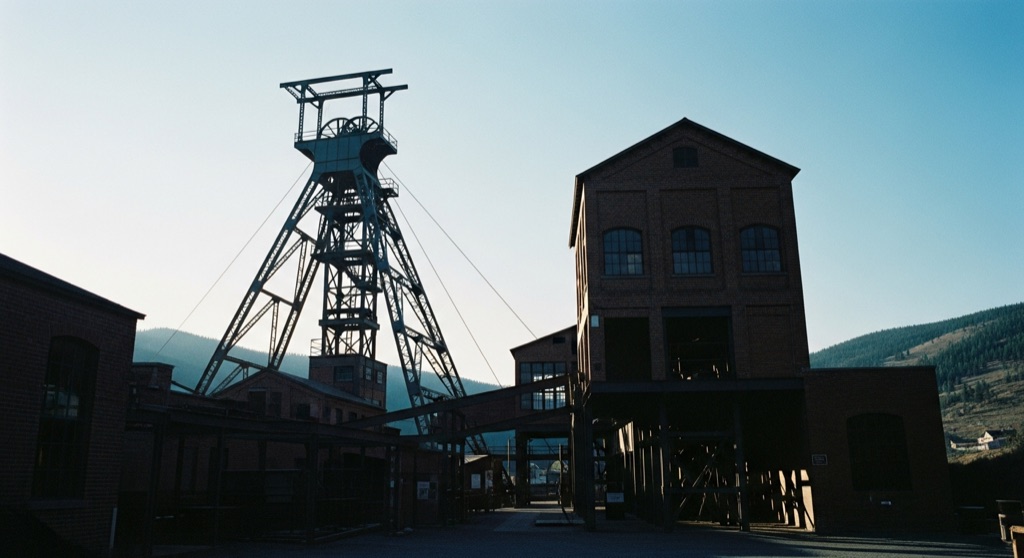 Steward MineView only
The Steward Mine was one of Butte's most productive copper and silver mines, operating from 1877 until the 1970s and reaching a depth of over 3,600 feet. Today, its iconic steel headframe and historic brick hoist house stand as striking monuments on the Butte landscape. Though the underground workings are sealed and the yard is fenced, the structures remain highly visible from the adjacent street and walking trail.
Steward MineView only
The Steward Mine was one of Butte's most productive copper and silver mines, operating from 1877 until the 1970s and reaching a depth of over 3,600 feet. Today, its iconic steel headframe and historic brick hoist house stand as striking monuments on the Butte landscape. Though the underground workings are sealed and the yard is fenced, the structures remain highly visible from the adjacent street and walking trail.
-
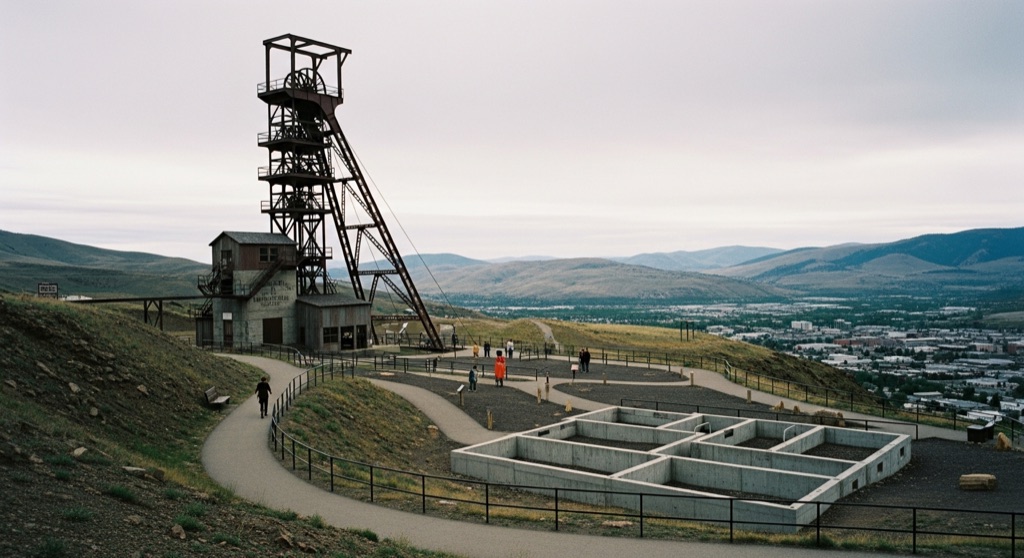 Mountain Con MineView only
Operating from 1886 to 1974, the Mountain Con Mine was the deepest copper mine on Butte Hill, plunging 5,291 feet underground. Today, the remediated mine yard is home to Foreman's Park, where the towering 1928 steel headframe still stands. Visitors can walk the paved trails to view the headframe, which is painted with its famous 'Mile High, Mile Deep' slogan, and spot the concrete foundation of the old superintendent's house.
Mountain Con MineView only
Operating from 1886 to 1974, the Mountain Con Mine was the deepest copper mine on Butte Hill, plunging 5,291 feet underground. Today, the remediated mine yard is home to Foreman's Park, where the towering 1928 steel headframe still stands. Visitors can walk the paved trails to view the headframe, which is painted with its famous 'Mile High, Mile Deep' slogan, and spot the concrete foundation of the old superintendent's house.
-
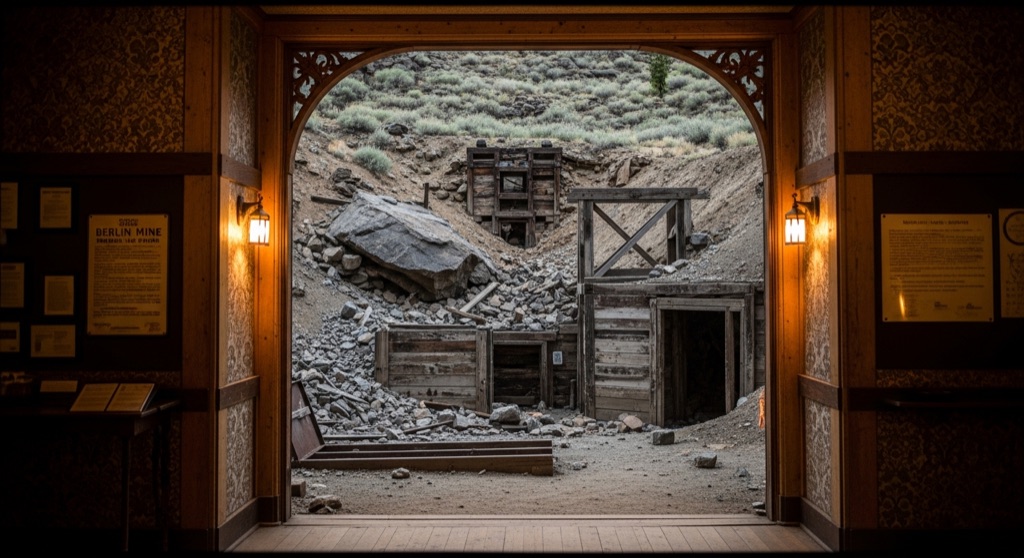 Berlin MineAccess unclear
Located in the Melrose mining district of Beaverhead County, the Berlin Mine was a historic lode mine that produced gold, silver, and lead. Today, the site is completely abandoned, leaving behind a caved-in shaft, a derelict adit, and remnants of old mining structures. The surrounding rugged landscape offers a quiet, isolated look into Montana's early 20th-century mining boom.
Berlin MineAccess unclear
Located in the Melrose mining district of Beaverhead County, the Berlin Mine was a historic lode mine that produced gold, silver, and lead. Today, the site is completely abandoned, leaving behind a caved-in shaft, a derelict adit, and remnants of old mining structures. The surrounding rugged landscape offers a quiet, isolated look into Montana's early 20th-century mining boom.
Abandoned places in Butte — FAQ
Is it legal to visit abandoned places around Butte?
It depends on the site, and each listing here says explicitly — with the reason. Of the 11 with a verified access status: 3 are legal to enter (like Elkhorn State Park (Elkhorn Ghost Town) and Granite Ghost Town State Park), 6 are view-only from public land or roadside, and 2 are private property or genuinely unsafe — those are marked "do not enter" rather than romanticised.
Which abandoned & forgotten places in Butte are the strangest?
Ranked by how strange they actually are: Granite Ghost Town State Park, Canyon Creek Charcoal Kilns and Mountain Consolidated Mine. Granite Ghost Town State Park — Once known as the 'Silver Queen' of Montana, this remote 1890s boomtown was home to the richest silver mine on Earth before collapsing overnight during the silver panic of 1893.
Where in Butte are they?
Across Elkhorn (near Boulder), MT, Philipsburg, Divide, Butte and Mapleton Mine and 1 more. Each listing gives the neighborhood and address so you can cluster a couple into one outing.
Are any of the abandoned & forgotten places in Butte free?
Yes — 11 are free to visit, including Elkhorn State Park (Elkhorn Ghost Town), Granite Ghost Town State Park and Canyon Creek Charcoal Kilns. The rest are mostly low-cost.
Is this a good weird date in Butte?
That's what the list is built for. Every entry has a specific move rather than a vague recommendation — at Granite Ghost Town State Park, for instance: Drive up the steep mountain road together to hike through the quiet pine forest, photographing the towering stone walls of the Miners' Union Hall and enjoying a picnic among the historic ruins.
How were these abandoned & forgotten places chosen?
An agentic research system digs for the genuinely obscure — the spots even locals miss — and every one is verified against real sources before it makes the list. We deliberately skip the landmarks already on every Butte guide.