Unusual museums in Colorado Springs
Unusual museums in Colorado Springs: 6 genuinely strange collections, Cherokee Ranch & Castle, Starr Kempf's Kinetic Sculptures and Winery at Holy Cross Abbey among them. These are the weird, quirky, offbeat museums locals forget to mention — not the big-name institutions already on every visitor guide. They spread across Sedalia, Old Colorado City & the Westside, Cañon City, Old Colorado City and 1 more area, so two or three can make a whole afternoon. Every entry is hand-vetted against real sources — not scraped off a top-ten list or averaged out of crowd ratings.
-
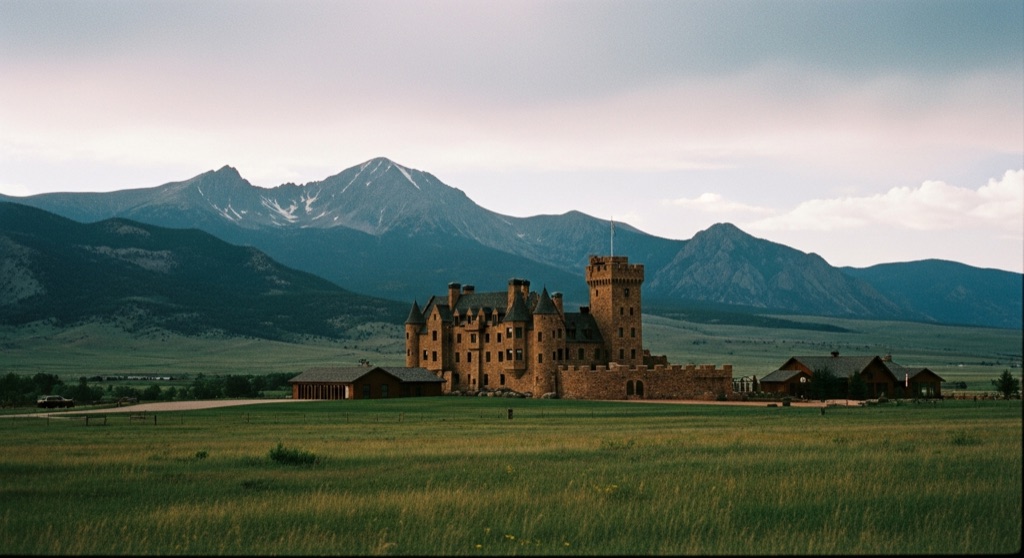 Cherokee Ranch & Castle
A genuine 15th-century-style Scottish stone castle rising from the Colorado prairie, Cherokee Ranch & Castle was home to the flamboyant cattlewoman-philanthropist Tweet Kimball for over 50 years and is now open to the public via guided tours through her extraordinary collection of world-class art, antiques, and rare books. The 3,400-acre working ranch setting — with sweeping views toward Pikes Peak — makes the whole experience feel improbably transporting.
Cherokee Ranch & Castle
A genuine 15th-century-style Scottish stone castle rising from the Colorado prairie, Cherokee Ranch & Castle was home to the flamboyant cattlewoman-philanthropist Tweet Kimball for over 50 years and is now open to the public via guided tours through her extraordinary collection of world-class art, antiques, and rare books. The 3,400-acre working ranch setting — with sweeping views toward Pikes Peak — makes the whole experience feel improbably transporting.
-
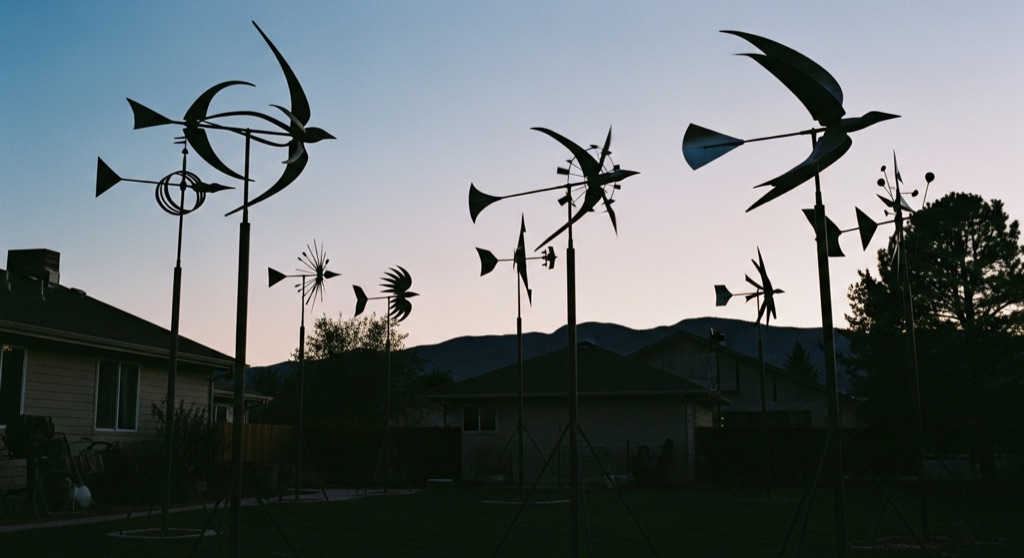 Starr Kempf's Kinetic Sculptures
Tucked into a quiet residential block near the Broadmoor, a private yard holds four to five surviving steel wind sculptures — 30 to 50 feet tall — built by sculptor Starr Kempf over nearly two decades starting in the late 1970s, each taking up to three years to complete. They spin and flex silently in the Colorado breeze, designed to look like enormous abstracted birds and weather vanes, with no gate, no signage, and no explanation for the uninitiated passerby. Kempf died by suicide in 1995 before the neighborhood wars that followed — zoning suits, court orders, a daughter's quixotic attempt to turn it into a museum — and around half the original dozen sculptures survive on the lawn where he built them. You won't find this on any Colorado Springs top-ten list; it hides in plain sight on a street where your GPS has no idea why you've stopped the car.
Starr Kempf's Kinetic Sculptures
Tucked into a quiet residential block near the Broadmoor, a private yard holds four to five surviving steel wind sculptures — 30 to 50 feet tall — built by sculptor Starr Kempf over nearly two decades starting in the late 1970s, each taking up to three years to complete. They spin and flex silently in the Colorado breeze, designed to look like enormous abstracted birds and weather vanes, with no gate, no signage, and no explanation for the uninitiated passerby. Kempf died by suicide in 1995 before the neighborhood wars that followed — zoning suits, court orders, a daughter's quixotic attempt to turn it into a museum — and around half the original dozen sculptures survive on the lawn where he built them. You won't find this on any Colorado Springs top-ten list; it hides in plain sight on a street where your GPS has no idea why you've stopped the car.
-
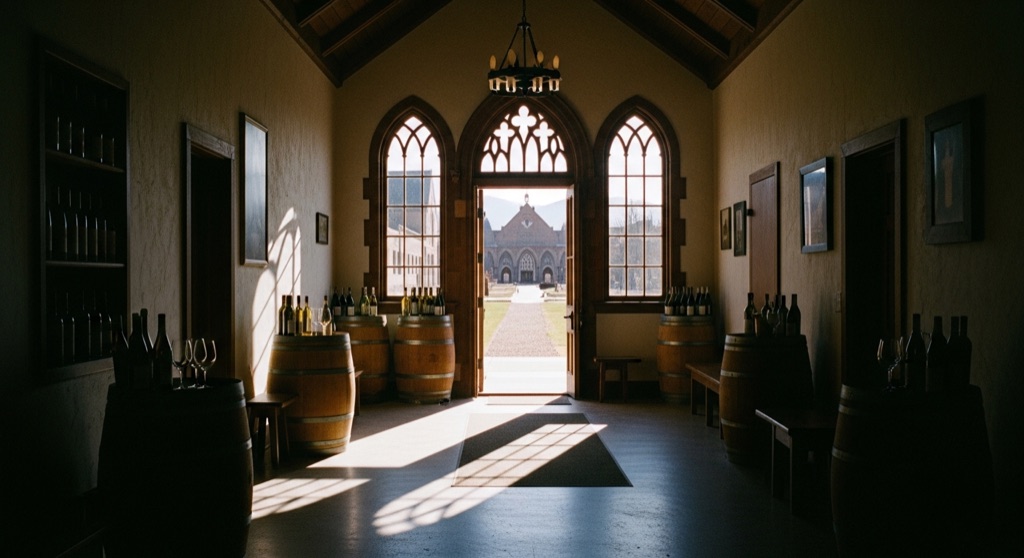 Winery at Holy Cross Abbey
A Benedictine monastery winery that exists entirely because a monk attended an exorcism and got smitten with winemaking — Father Paul Montoya was dispatched to Palisade to bless a winery plagued by falling beams and foul smells, came back a convert, and persuaded the abbey to open its own label in 2002. The "Wild Cañon Harvest" rosé carries a detail almost too strange to print: the grapes are grown on 22 acres inside the East Cañon City state penitentiary complex by inmates through Colorado Correctional Industries' Juniper Valley Farms, making the supply chain arguably the most unusual in Colorado wine. The abbey itself — a functioning Benedictine monastery — is the backdrop for tastings held in a calm, sun-drenched tasting room that most Royal Gorge day-trippers roll straight past on US-50.
Winery at Holy Cross Abbey
A Benedictine monastery winery that exists entirely because a monk attended an exorcism and got smitten with winemaking — Father Paul Montoya was dispatched to Palisade to bless a winery plagued by falling beams and foul smells, came back a convert, and persuaded the abbey to open its own label in 2002. The "Wild Cañon Harvest" rosé carries a detail almost too strange to print: the grapes are grown on 22 acres inside the East Cañon City state penitentiary complex by inmates through Colorado Correctional Industries' Juniper Valley Farms, making the supply chain arguably the most unusual in Colorado wine. The abbey itself — a functioning Benedictine monastery — is the backdrop for tastings held in a calm, sun-drenched tasting room that most Royal Gorge day-trippers roll straight past on US-50.
-
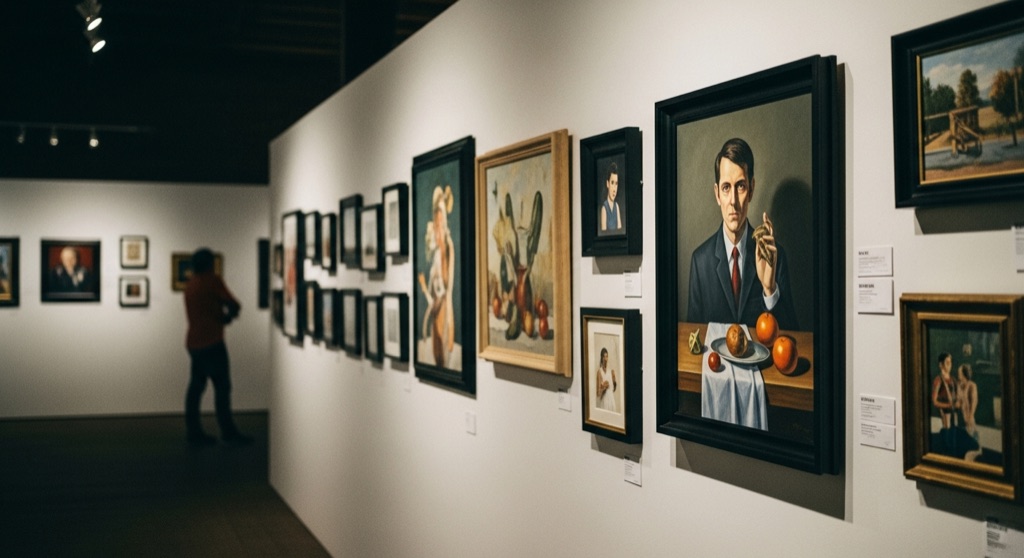 Art in Isolation — Fremont Center for the Arts
Every August, a quiet nonprofit on Main Street in Cañon City hangs — and sells — original artwork made inside ADX Florence, America's only federal Supermax, where artists include Oklahoma City bombing co-conspirator Terry Nichols. This is the "Art in Isolation" exhibition, now in its eighth year, in which some 50 incarcerated artists contribute a combined 500 works priced $5–$300; half the sale proceeds go straight to the artists, administered by the prison toward restitution accounts. The center has moved $80,000+ in inmate art across prior shows, a fact covered by Colorado Sun, KUNC, and Rocky Mountain PBS — yet it never trends. What you're looking at is a mass-murderer's still-life painting with a price tag, hanging in an 1800s-era building in a small Colorado river town, and that is genuinely unlike anything else.
Art in Isolation — Fremont Center for the Arts
Every August, a quiet nonprofit on Main Street in Cañon City hangs — and sells — original artwork made inside ADX Florence, America's only federal Supermax, where artists include Oklahoma City bombing co-conspirator Terry Nichols. This is the "Art in Isolation" exhibition, now in its eighth year, in which some 50 incarcerated artists contribute a combined 500 works priced $5–$300; half the sale proceeds go straight to the artists, administered by the prison toward restitution accounts. The center has moved $80,000+ in inmate art across prior shows, a fact covered by Colorado Sun, KUNC, and Rocky Mountain PBS — yet it never trends. What you're looking at is a mass-murderer's still-life painting with a price tag, hanging in an 1800s-era building in a small Colorado river town, and that is genuinely unlike anything else.
-
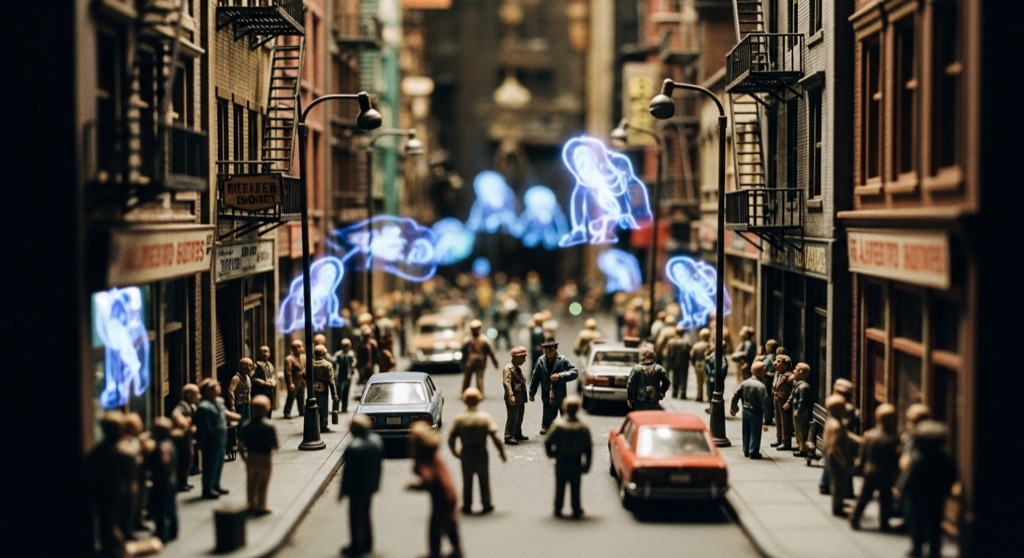 Michael Garman Museum - Magic Town
A 3,000-square-foot handcrafted miniature city by artist Michael Garman, packed with 400+ sculpted figures, dark alleys, and holograms that heckle passersby — gritty Americana rendered in miniature, not a sanitized diorama.
Michael Garman Museum - Magic Town
A 3,000-square-foot handcrafted miniature city by artist Michael Garman, packed with 400+ sculpted figures, dark alleys, and holograms that heckle passersby — gritty Americana rendered in miniature, not a sanitized diorama.
-
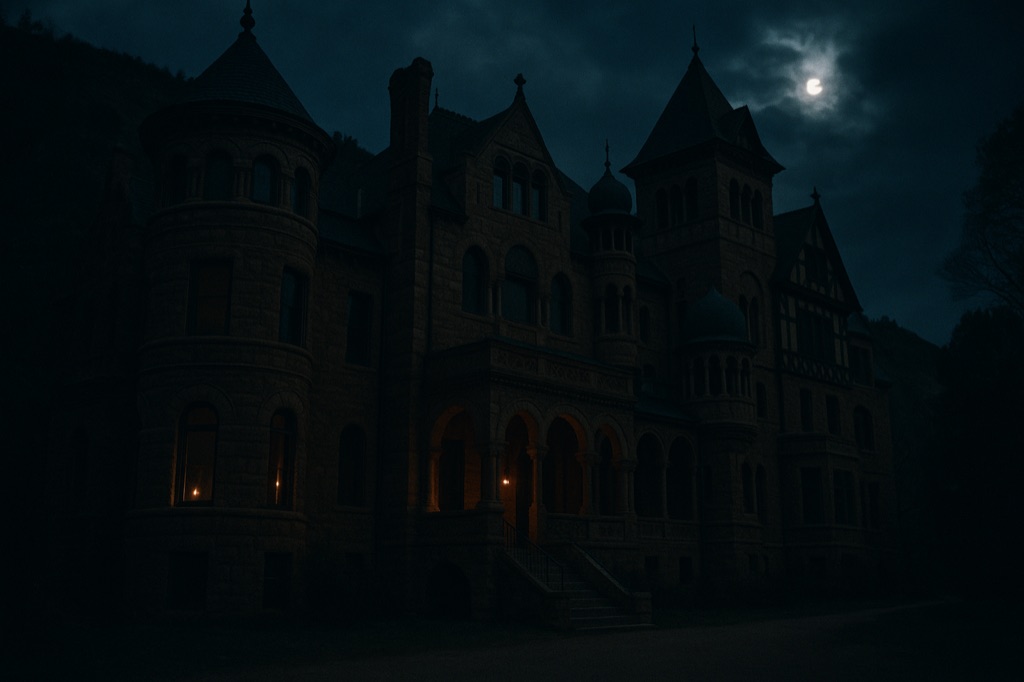 Miramont Castle
A French priest named Jean-Baptiste Francolon built this 1895 mountainside mansion and apparently couldn't pick a style, so he used nine — Queen Anne, Romanesque, Tudor, Byzantine, Moorish and more — mashed into one 30-room, four-story pile. Inside there's a room of actual mummies gathered from Egypt, the Andes and the American Southwest; the land underneath once belonged to the colonel who led the Sand Creek Massacre; and after the priest fled in 1900 the place became a tuberculosis sanitarium run by the Sisters of Mercy. Staff and visitors still report a woman in a black dress, a man in a top hat, and a little girl who never left. You wander all four floors on your own.
Miramont Castle
A French priest named Jean-Baptiste Francolon built this 1895 mountainside mansion and apparently couldn't pick a style, so he used nine — Queen Anne, Romanesque, Tudor, Byzantine, Moorish and more — mashed into one 30-room, four-story pile. Inside there's a room of actual mummies gathered from Egypt, the Andes and the American Southwest; the land underneath once belonged to the colonel who led the Sand Creek Massacre; and after the priest fled in 1900 the place became a tuberculosis sanitarium run by the Sisters of Mercy. Staff and visitors still report a woman in a black dress, a man in a top hat, and a little girl who never left. You wander all four floors on your own.
Unusual museums in Colorado Springs — FAQ
Which unusual museums & collections in Colorado Springs are the strangest?
Ranked by how strange they actually are: Miramont Castle, Cherokee Ranch & Castle and Michael Garman Museum - Magic Town. Miramont Castle — A French priest named Jean-Baptiste Francolon built this 1895 mountainside mansion and apparently couldn't pick a style, so he used nine — Queen Anne, Romanesque, Tudor, Byzantine, Moorish and more — mashed into one 30-room, four-story pile.
Where in Colorado Springs are they?
Across Sedalia, Old Colorado City & the Westside, Cañon City, Old Colorado City and Manitou Springs. Each listing gives the neighborhood and address so you can cluster a couple into one outing.
Is this a good weird date in Colorado Springs?
That's what the list is built for. Every entry has a specific move rather than a vague recommendation — at Miramont Castle, for instance: Take the self-guided wander through all 30 rooms — hunt down the mummy room and count the nine clashing architectural styles — then book the Queen's Parlour Tearoom (11am or 1pm) and do the full Victorian tea like a couple of eccentrics who just inherited a haunted castle.
How were these unusual museums & collections chosen?
An agentic research system digs for the genuinely obscure — the spots even locals miss — and every one is verified against real sources before it makes the list. We deliberately skip the landmarks already on every Colorado Springs guide.