Abandoned places in Fort Collins
8 abandoned and forgotten places around Fort Collins, Hahns Peak Village, Schoolhouse Museum & Bear Cage Jail, Mt. Harris Memorial and Dearfield Ghost Town among them — and for each one, whether you can legally visit. Ruins, ghost towns and shuttered industry, with the ones that are trespassing or genuinely unsafe marked as such rather than romanticised. They spread across Clark, Hayden, Orchard (Weld County), Estes Park and 3 more areas, so two or three can make a whole afternoon. 6 of them cost nothing. Every entry is hand-vetted against real sources — not scraped off a top-ten list or averaged out of crowd ratings.
Every abandoned place we've verified, nationwide — with its legal-access status →
-
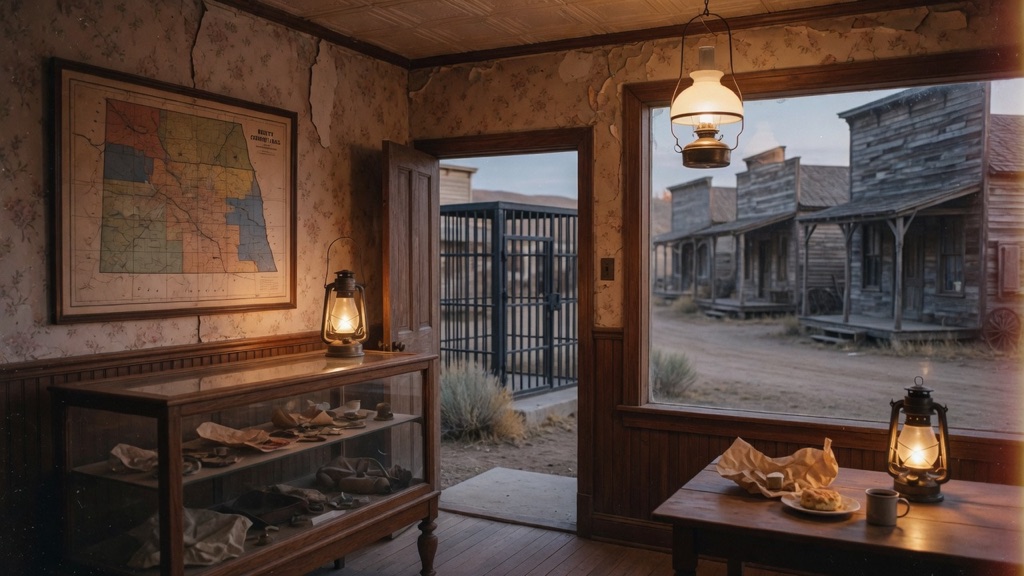 Hahns Peak Village, Schoolhouse Museum & Bear Cage JailOpen to visit
This 1865 gold camp was somehow the seat of all Routt County — a county that once stretched to the Utah border — until Steamboat snatched the title in 1912. Fifteen-odd weathered buildings survive along one dirt block, plus a free museum in the 1911 schoolhouse. Out back sits the actual Bear Cage Jail, a freestanding iron cage where Wild Bunch outlaws Harry Tracy and Dave Lant were locked in 1898 — until they jumped the sheriff at breakfast and ran.
Hahns Peak Village, Schoolhouse Museum & Bear Cage JailOpen to visit
This 1865 gold camp was somehow the seat of all Routt County — a county that once stretched to the Utah border — until Steamboat snatched the title in 1912. Fifteen-odd weathered buildings survive along one dirt block, plus a free museum in the 1911 schoolhouse. Out back sits the actual Bear Cage Jail, a freestanding iron cage where Wild Bunch outlaws Harry Tracy and Dave Lant were locked in 1898 — until they jumped the sheriff at breakfast and ran.
-
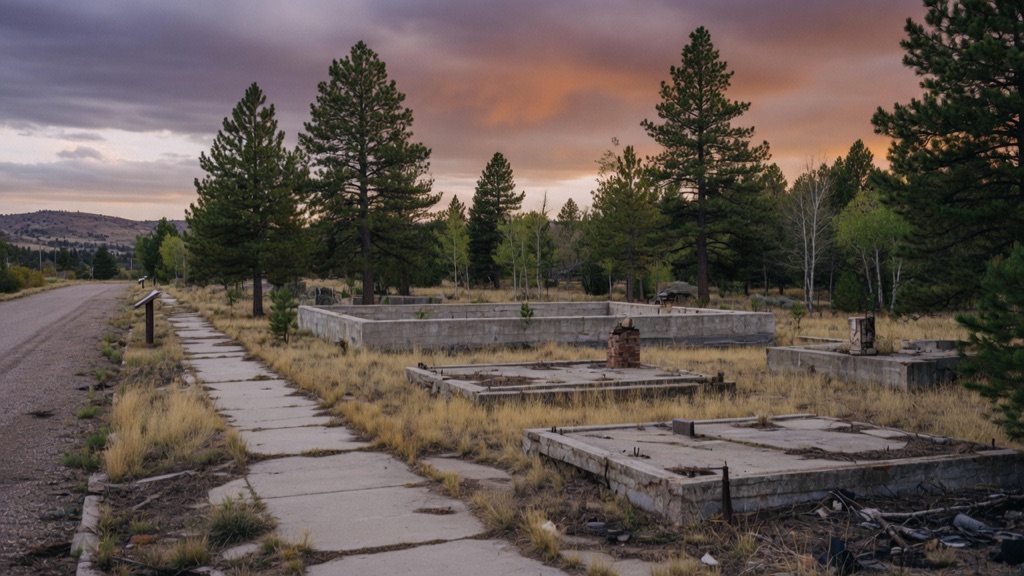 Mt. Harris MemorialView only
In 1920 the biggest town in Routt County wasn't Steamboat Springs — it was Mount Harris, a coal camp of 1,300 with a theater, two hotels, and a company store. On May 20, 1958, the whole town was auctioned off and hauled away; dozens of its houses still stand around Hayden and Craig wearing new addresses. Pull off US-40 between mile markers 114 and 115 and look for six concrete foundations and crumbling sidewalks waiting in the trees.
Mt. Harris MemorialView only
In 1920 the biggest town in Routt County wasn't Steamboat Springs — it was Mount Harris, a coal camp of 1,300 with a theater, two hotels, and a company store. On May 20, 1958, the whole town was auctioned off and hauled away; dozens of its houses still stand around Hayden and Craig wearing new addresses. Pull off US-40 between mile markers 114 and 115 and look for six concrete foundations and crumbling sidewalks waiting in the trees.
-
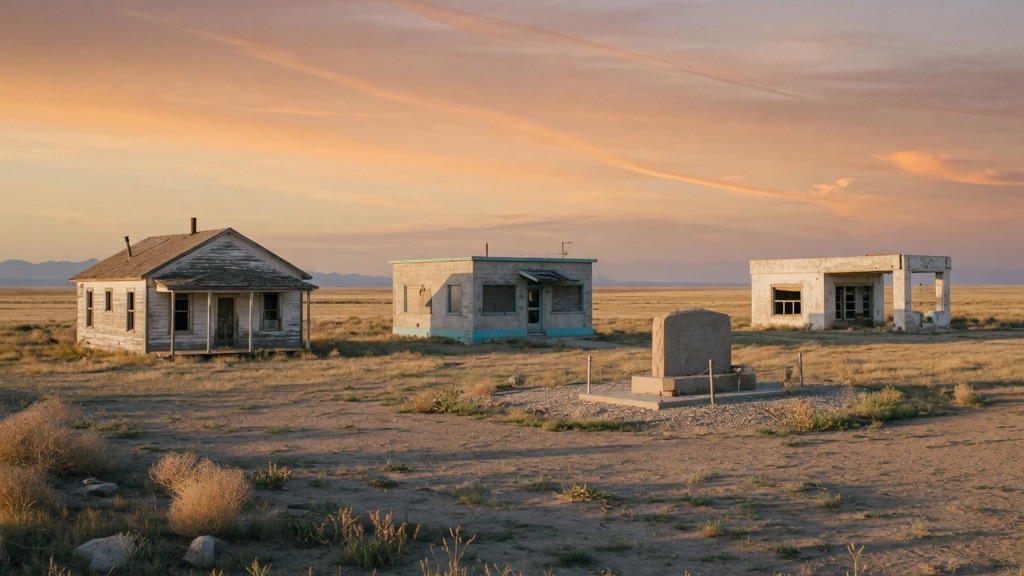 Dearfield Ghost TownView only
In 1910, Oliver Toussaint Jackson filed a homestead claim on the Weld County plains and built the largest Black agricultural colony in Colorado. At its 1921 peak, Dearfield held 300 residents, two churches, a school, a restaurant, a concrete-block factory, and farmland yielding sugar beets, alfalfa, and watermelons through dry-farming techniques. The Great Depression and Dust Bowl collapsed the community; by 1940 only twelve people remained, and Jackson died in 1948 as the last holdout. Listed on the National Register of Historic Places in 1995, the site preserves three original structures — a gas station, a diner, and Jackson's own home — alongside a 2010 monument that contextualizes what was once appraised at over one million dollars.
Dearfield Ghost TownView only
In 1910, Oliver Toussaint Jackson filed a homestead claim on the Weld County plains and built the largest Black agricultural colony in Colorado. At its 1921 peak, Dearfield held 300 residents, two churches, a school, a restaurant, a concrete-block factory, and farmland yielding sugar beets, alfalfa, and watermelons through dry-farming techniques. The Great Depression and Dust Bowl collapsed the community; by 1940 only twelve people remained, and Jackson died in 1948 as the last holdout. Listed on the National Register of Historic Places in 1995, the site preserves three original structures — a gas station, a diner, and Jackson's own home — alongside a 2010 monument that contextualizes what was once appraised at over one million dollars.
-
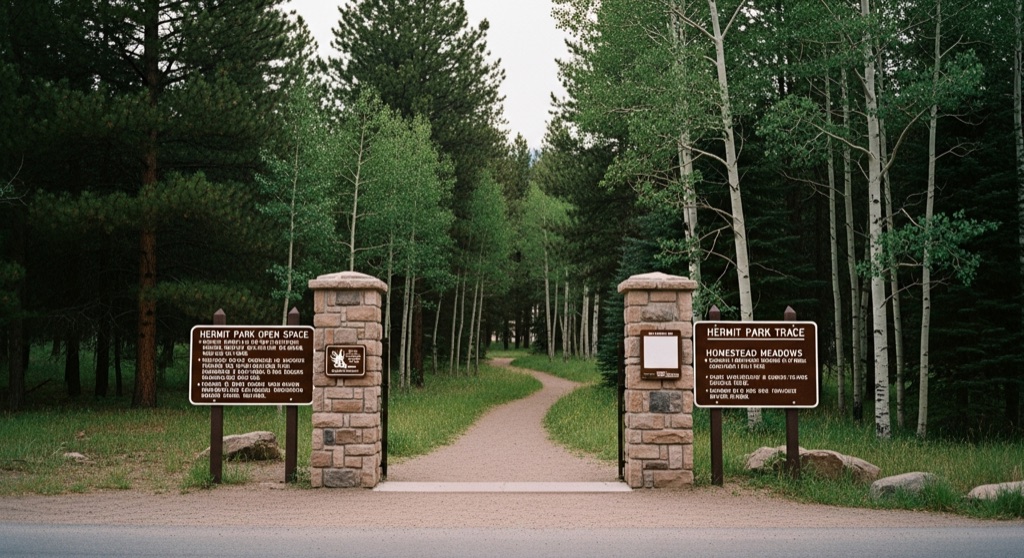 Homestead Meadows TrailheadOpen to visit
This trailhead in Hermit Park Open Space serves as a gateway to the Homestead Meadows National Historic District, a late 19th-century ranching and logging community. Settled under the Homestead Act of 1862, the area was completely abandoned by 1952. Today, hikers can explore the ruins of eight historic homesteads, including stabilized log cabins, barns, outhouses, and rusted agricultural machinery.
Homestead Meadows TrailheadOpen to visit
This trailhead in Hermit Park Open Space serves as a gateway to the Homestead Meadows National Historic District, a late 19th-century ranching and logging community. Settled under the Homestead Act of 1862, the area was completely abandoned by 1952. Today, hikers can explore the ruins of eight historic homesteads, including stabilized log cabins, barns, outhouses, and rusted agricultural machinery.
-
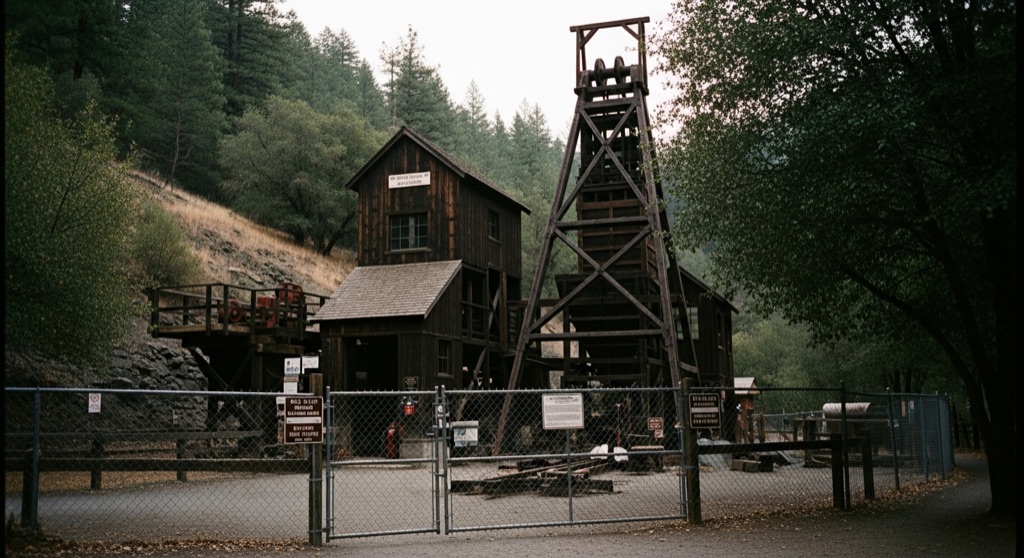 Blue Jay MineView only
Dating back to the early 1900s, the Blue Jay Mine was once one of Boulder County's most significant producers of fluorspar. Boulder County acquired the 41-acre property in 2000 to preserve its historic surface features, which include a landmarked hoist house, headframe, and ore bin. Today, the structures are fenced off to protect a large maternity colony of bats, but they remain highly visible from the public trail.
Blue Jay MineView only
Dating back to the early 1900s, the Blue Jay Mine was once one of Boulder County's most significant producers of fluorspar. Boulder County acquired the 41-acre property in 2000 to preserve its historic surface features, which include a landmarked hoist house, headframe, and ore bin. Today, the structures are fenced off to protect a large maternity colony of bats, but they remain highly visible from the public trail.
-
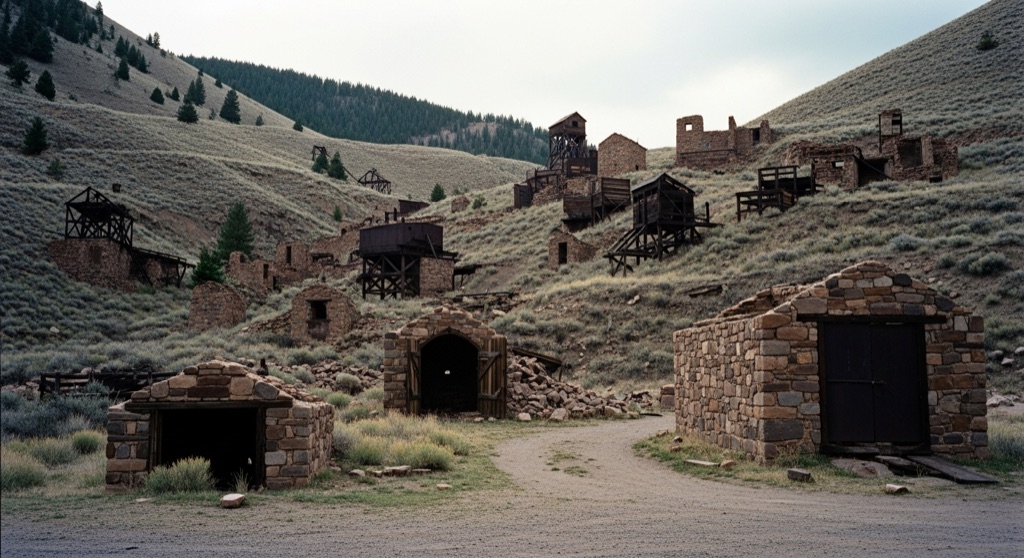 Old Town MineView only
The Old Town Mine is a historic gold and pyrite mine located in the Russell Mining District near the ghost town of Russell Gulch, Colorado. Operating primarily in the late 19th and early 20th centuries, its main shaft plunged over 2,200 feet deep and connected to the famous Argo Tunnel for drainage. Today, the site features weathered ruins, old tailings piles, and the remains of historic mining structures scattered across the rugged landscape.
Old Town MineView only
The Old Town Mine is a historic gold and pyrite mine located in the Russell Mining District near the ghost town of Russell Gulch, Colorado. Operating primarily in the late 19th and early 20th centuries, its main shaft plunged over 2,200 feet deep and connected to the famous Argo Tunnel for drainage. Today, the site features weathered ruins, old tailings piles, and the remains of historic mining structures scattered across the rugged landscape.
-
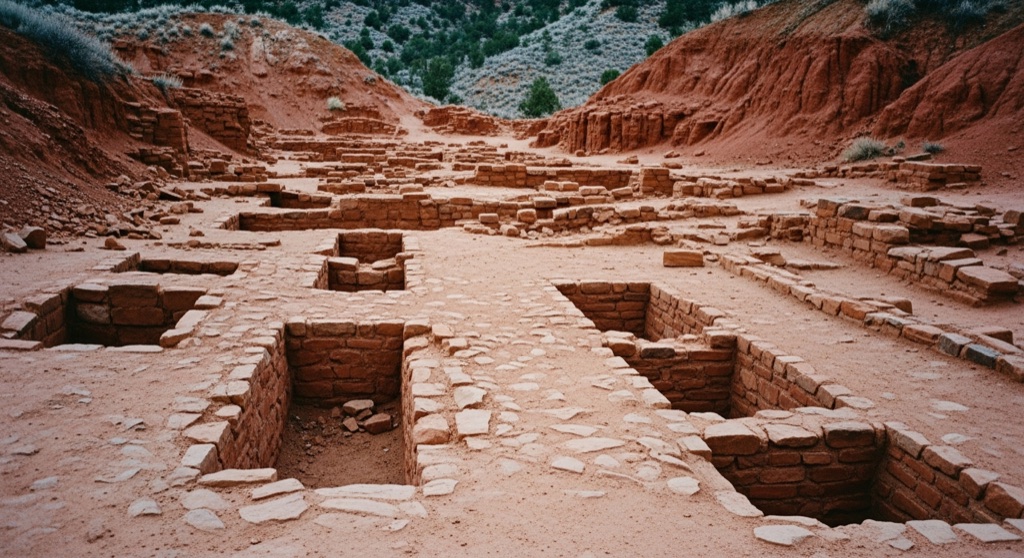 Deadman Butte MineAccess unclear
Located near the hamlet of Livermore, the Deadman Butte Mine is a historic gypsum prospect dating back to the early 20th century. First documented in geological surveys around 1920, the site features remnants of old exploratory workings and trenches. Today, the inactive mine sits quietly on the slopes of Deadman Butte, surrounded by rugged northern Colorado terrain.
Deadman Butte MineAccess unclear
Located near the hamlet of Livermore, the Deadman Butte Mine is a historic gypsum prospect dating back to the early 20th century. First documented in geological surveys around 1920, the site features remnants of old exploratory workings and trenches. Today, the inactive mine sits quietly on the slopes of Deadman Butte, surrounded by rugged northern Colorado terrain.
-
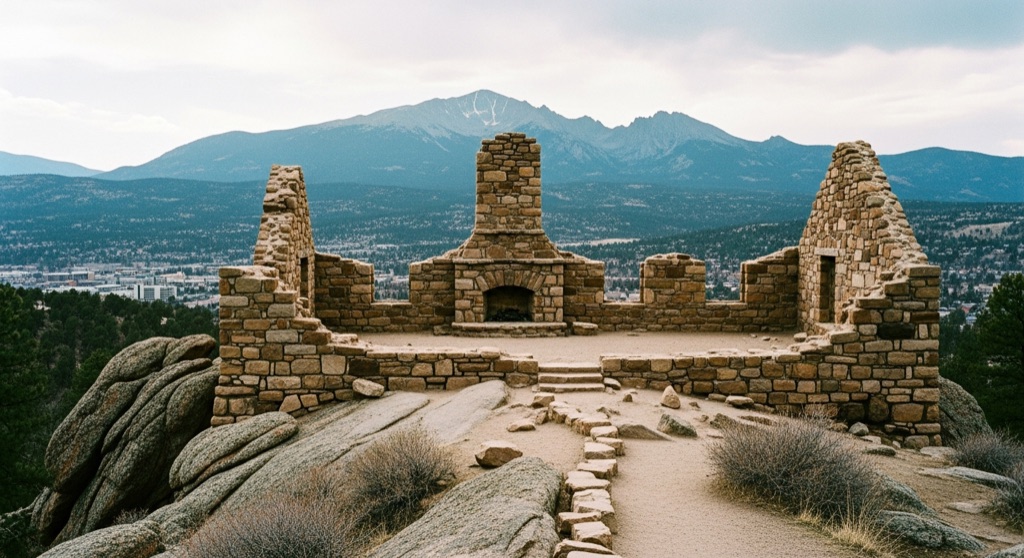 The Birch RuinsOpen to visit
Perched on a 75-foot rocky outcropping in the Knoll-Willows Open Space, these stone ruins are all that remain of 'Jacob's Ladder,' a rustic bungalow built in 1904 for Denver Post editor Albert Birch. Designed by local stonemason Carl Piltz, the home was destroyed by a fire in December 1907, leaving behind only its sturdy stone walls and a massive fireplace. Today, a short public trail leads visitors to the site, offering panoramic views of downtown Estes Park and Longs Peak.
The Birch RuinsOpen to visit
Perched on a 75-foot rocky outcropping in the Knoll-Willows Open Space, these stone ruins are all that remain of 'Jacob's Ladder,' a rustic bungalow built in 1904 for Denver Post editor Albert Birch. Designed by local stonemason Carl Piltz, the home was destroyed by a fire in December 1907, leaving behind only its sturdy stone walls and a massive fireplace. Today, a short public trail leads visitors to the site, offering panoramic views of downtown Estes Park and Longs Peak.
Abandoned places in Fort Collins — FAQ
Is it legal to visit abandoned places around Fort Collins?
It depends on the site, and each listing here says explicitly — with the reason. Of the 8 with a verified access status: 3 are legal to enter (like Hahns Peak Village, Schoolhouse Museum & Bear Cage Jail and Homestead Meadows Trailhead), 4 are view-only from public land or roadside, and 1 are private property or genuinely unsafe — those are marked "do not enter" rather than romanticised.
Which abandoned & forgotten places in Fort Collins are the strangest?
Ranked by how strange they actually are: Dearfield Ghost Town, Homestead Meadows Trailhead and Blue Jay Mine. Dearfield Ghost Town — In 1910, Oliver Toussaint Jackson filed a homestead claim on the Weld County plains and built the largest Black agricultural colony in Colorado.
Where in Fort Collins are they?
Across Clark, Hayden, Orchard (Weld County), Estes Park and Jamestown and 2 more. Each listing gives the neighborhood and address so you can cluster a couple into one outing.
Are any of the abandoned & forgotten places in Fort Collins free?
Yes — 6 are free to visit, including Mt. Harris Memorial, Homestead Meadows Trailhead and Blue Jay Mine. The rest are mostly low-cost.
Is this a good weird date in Fort Collins?
That's what the list is built for. Every entry has a specific move rather than a vague recommendation — at Dearfield Ghost Town, for instance: Drive out on a flat-sky plains afternoon, read the monument together, and walk slowly around the three surviving buildings. The remoteness and silence give the history real weight — bring snacks and plan to talk on the drive home about what you saw.
How were these abandoned & forgotten places chosen?
An agentic research system digs for the genuinely obscure — the spots even locals miss — and every one is verified against real sources before it makes the list. We deliberately skip the landmarks already on every Fort Collins guide.