Entry No. 17 — the Manchester, UK file — filed under: miscellanea
Boggart Hole Clough
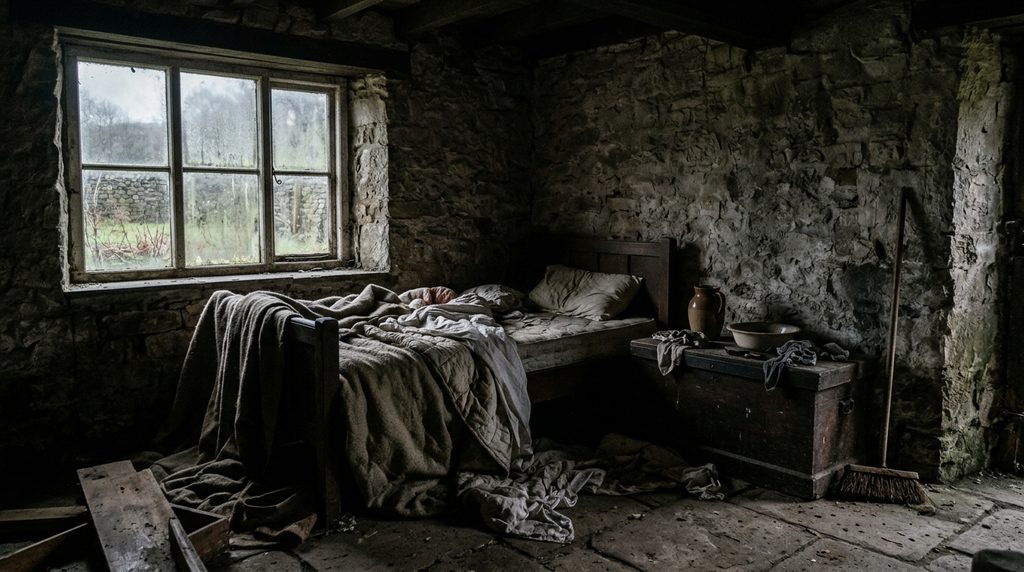
A boggart reputedly helped with washing and cleaning at a farm here, then turned to throwing things and pulling covers off beds. When the family threatened to leave, the spirit reportedly said it would follow them.
→ Three more haunted places & dark-history spots in Manchester, UK — never the same twice
The story
In northern English folklore, a boggart is not a whimsical sprite—it is a sullen, domestic poltergeist that turns nasty the moment you notice it. When Rochdale banker John Roby published *Traditions of Lancashire* in 1829, he codified the exact tale that pinned the creature to this Blackley valley: farmer George Cheetham endured months of escalating harassment, from hearth ashes flung into milk pails to blankets violently yanked off sleeping children. Driven to despair, Cheetham packed his wagons to abandon the homestead. As he set off, a neighbour asked if the family was flitting; from the dark depths of a butter churn, a shrill voice replied, "Ay, neighbour, we're flitting." Cheetham promptly unloaded the wagon—you cannot move away from something that packs itself into your luggage.
The terrain itself explains why the legend took root. A "clough" is northern dialect for a steep, ravine-cut gully, and this 140-plus-acre cleft drops abruptly below the surrounding urban terraces into dense oak and beech woodland carved out by Boggart Hole Brook. But the clough's strangeness isn't confined to fairy lore. In the summer of 1896, Manchester Corporation attempted to outlaw political gatherings in the newly purchased public park. The Independent Labour Party defied the ban, and Keir Hardie and Emmeline Pankhurst rode up in an open barouche to address crowds upwards of 20,000 packing the clough's natural sunken amphitheatre, cementing the hollow as a landmark battleground for British street-level free speech.
What it's like
Off Charlestown Road, the entrance looks like any unpretentious municipal park—boating lake, café, and an all-weather athletics track—until you step over the rim and drop into the deep, shadowed gullies. Down in the hollows, daylight cuts off quickly, phone reception drops, and the terrain turns steep and slick. The paths through the lower clough are raw woodland dirt trails rather than manicured promenades; after rain, the clay banks become notorious mud slides, so leave clean trainers in the car. It is quietest on grey weekday mornings, when the only company you will encounter is crows and local dog walkers who know not to veer off the main tarmac loop.
The move: Leave the paved park behind and descend into the steep, shadowed dirt gullies where phone signal cuts out and Lancashire's legendary bed-sheet-yanking poltergeist was said to terrorize a local farmer.
- 📍 North Manchester
- 💸 $$
- ⚡ Up for anything
- 🌗 Indoors
Where: Charlestown Road, Blackley, Manchester M9 7DH, United Kingdom
Hours: Added 2026-11-20 — confirm current hours before you go.
Pair it with
- Ring O’ Bells Pub — Head two miles up Rochdale Road to Middleton for a pint in an ancient pub steeped in its own poltergeist lore and secret Civil War tunnel legends.
- Chetham's Library & Medieval Cloister — Connect the clough's 1896 soapbox rallies to Manchester's deeper radical history inside the medieval cloister where Marx and Engels worked.
- Heaton Park Bowls Pavilion — Trade Blackley's dark folklore ravine for another strange municipal north Manchester outing at this bowls pavilion turned evening astronomy hangout.
More weird in Manchester, UK
Good to know
What does 'Boggart Hole Clough' actually mean?
A 'clough' is northern English dialect for a steep, wooded ravine carved by a stream. 'Boggart' refers to a goblin-like household spirit from Lancashire folklore, and local lore claims the creature nested in the deep hollows of the brook.
Is the park free to visit?
Yes. It is a public park maintained by Manchester City Council and is fully accessible on foot year-round.
Where did the socialist free speech protests happen in the park?
The 1896 mass meetings led by Emmeline Pankhurst and Keir Hardie were held in the park's natural sunken bowl near the brook, which formed an amphitheatre capable of holding tens of thousands of people.
Plan a visit & invite your people →
Further reading: lellalee.com · manchestereveningnews.co.uk · manchestersfinest.com · aboutmanchester.co.uk · parksandgardens.org · boggartholeclough.wordpress.com
last checked: 2026-11-20