Unusual museums in Memphis
Unusual museums in Memphis: 6 genuinely strange collections, Sultana Disaster Museum, Withers Collection Museum & Gallery and Memphis Listening Lab among them. These are the weird, quirky, offbeat museums locals forget to mention — not the big-name institutions already on every visitor guide. They spread across Marion, Arkansas, Beale Street, Downtown Memphis, Crosstown Concourse, Midtown Memphis, Downtown Memphis and 1 more area, so two or three can make a whole afternoon. Every entry is hand-vetted against real sources — not scraped off a top-ten list or averaged out of crowd ratings.
-
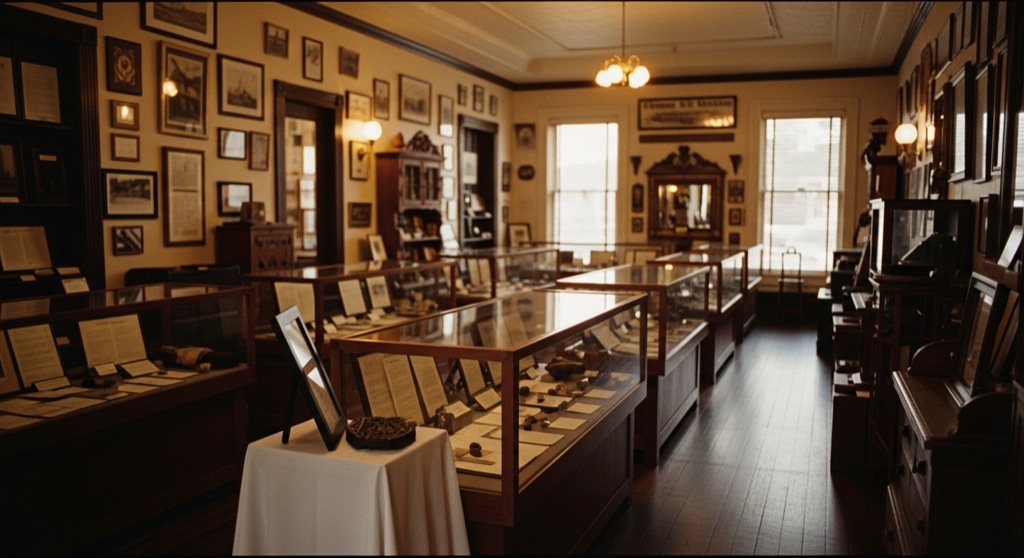 Sultana Disaster Museum
A small storefront museum ten minutes across the river holds furnace bricks, shaker plates, and other relics pulled from the Mississippi — wreckage of the steamboat Sultana, which exploded seven miles north of Memphis in April 1865 packed with just-released Union POWs and killed more people than the Titanic, in what's still the deadliest maritime disaster in U.S. history and one almost nobody has heard of.
Sultana Disaster Museum
A small storefront museum ten minutes across the river holds furnace bricks, shaker plates, and other relics pulled from the Mississippi — wreckage of the steamboat Sultana, which exploded seven miles north of Memphis in April 1865 packed with just-released Union POWs and killed more people than the Titanic, in what's still the deadliest maritime disaster in U.S. history and one almost nobody has heard of.
-
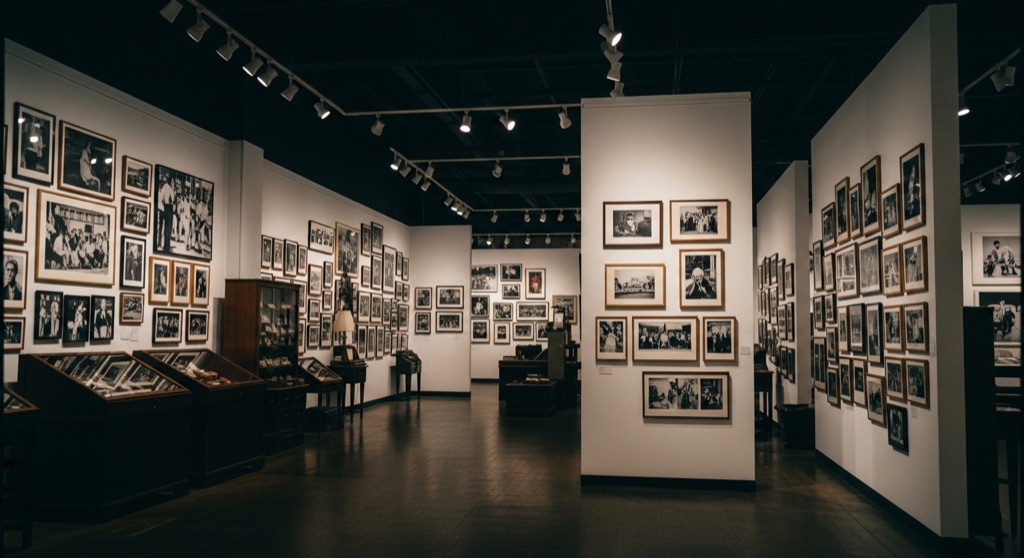 Withers Collection Museum & Gallery
Photojournalist Ernest C. Withers shot an estimated 1.8 million frames over six decades — Emmett Till's murder trial, the sanitation strike, Negro League games, Beale Street blues clubs, Elvis backstage — and this 7,000-square-foot gallery occupies his actual former working studio, named for him by the city in 1995.
Withers Collection Museum & Gallery
Photojournalist Ernest C. Withers shot an estimated 1.8 million frames over six decades — Emmett Till's murder trial, the sanitation strike, Negro League games, Beale Street blues clubs, Elvis backstage — and this 7,000-square-foot gallery occupies his actual former working studio, named for him by the city in 1995.
-
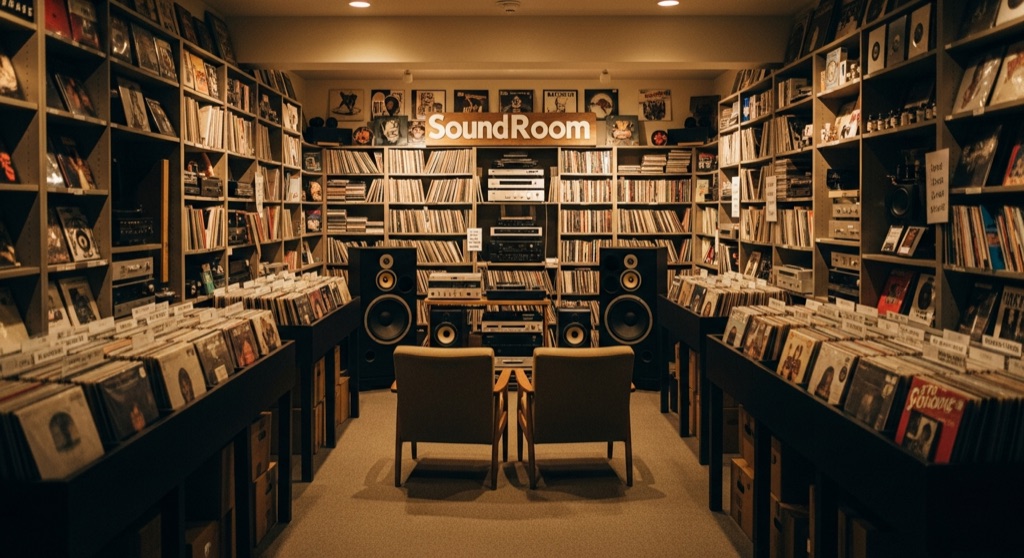 Memphis Listening Lab
Built entirely around the personal record collection Ardent Records co-founder John King donated before his death — 35,000 45s, 15,000 LPs, 25,000 CDs, 2,000 books, and over 1,000 pieces of music ephemera — free to the public, played back through a reference-quality sound system in a room called the SoundRoom.
Memphis Listening Lab
Built entirely around the personal record collection Ardent Records co-founder John King donated before his death — 35,000 45s, 15,000 LPs, 25,000 CDs, 2,000 books, and over 1,000 pieces of music ephemera — free to the public, played back through a reference-quality sound system in a room called the SoundRoom.
-
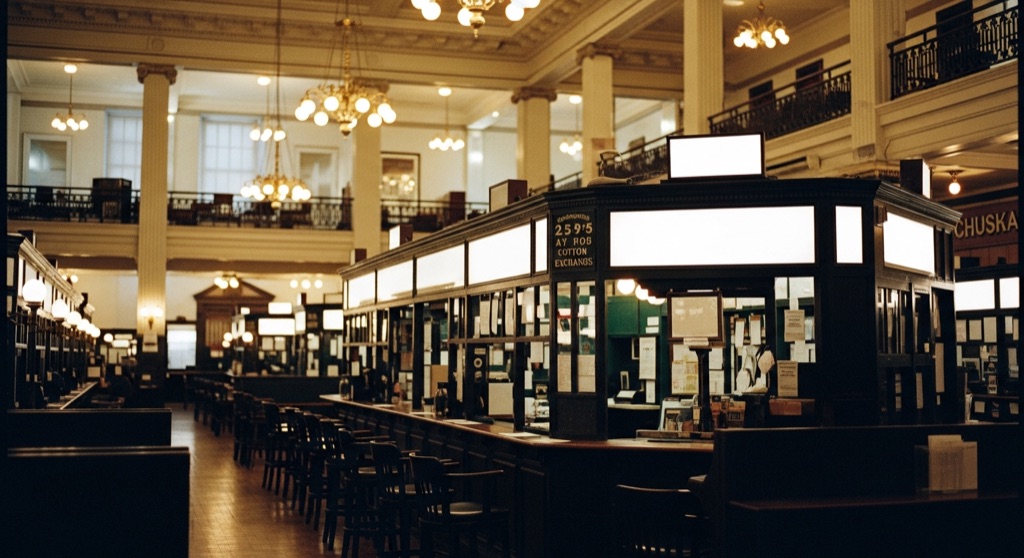 The Cotton Museum at the Memphis Cotton Exchange
Housed on the actual trading floor of the Memphis Cotton Exchange — once the largest cotton market on earth for over fifty years — this is the only Tennessee institution dedicated entirely to a single crop, tracing cotton bales from 974 in 1793 to half of all U.S. exports by 1860.
The Cotton Museum at the Memphis Cotton Exchange
Housed on the actual trading floor of the Memphis Cotton Exchange — once the largest cotton market on earth for over fifty years — this is the only Tennessee institution dedicated entirely to a single crop, tracing cotton bales from 974 in 1793 to half of all U.S. exports by 1860.
-
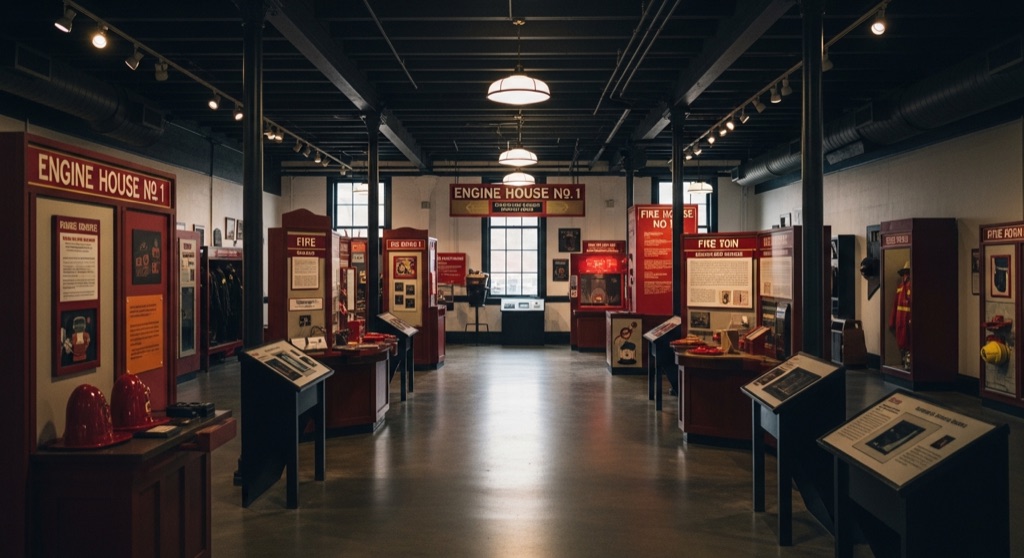 Fire Museum of Memphis
A single obsession — fire and life safety — filling a still-active-looking historic firehouse, Engine House No. 1, with interactive exhibits staffed by actual Memphis Fire Department education specialists; last admission is cut off at 3:45pm sharp so nobody rushes the collection.
Fire Museum of Memphis
A single obsession — fire and life safety — filling a still-active-looking historic firehouse, Engine House No. 1, with interactive exhibits staffed by actual Memphis Fire Department education specialists; last admission is cut off at 3:45pm sharp so nobody rushes the collection.
-
 Belz Museum of Asian & Judaic Art
Jack and Marilyn Belz wandered into an Asian art gallery in Los Angeles in 1968 and never really stopped; the museum opened in 1998 as the Peabody Place Museum and took the family name in 2007. About 1,000 objects fill 14,000 square feet on the concourse level below 119 S Main — jade carvings, Qing dynasty work, tapestries and furniture in the Imperial Retreat and Tusk galleries, plus Russian lacquer boxes, scholar's rocks and a Judaic section. Adult admission is six dollars, students four, under five free. Photography is fine in the galleries; movie and professional video cameras are not. You reach all of it by taking the elevators near the first-floor security desk down a level, which is the part visitors never expect.
Belz Museum of Asian & Judaic Art
Jack and Marilyn Belz wandered into an Asian art gallery in Los Angeles in 1968 and never really stopped; the museum opened in 1998 as the Peabody Place Museum and took the family name in 2007. About 1,000 objects fill 14,000 square feet on the concourse level below 119 S Main — jade carvings, Qing dynasty work, tapestries and furniture in the Imperial Retreat and Tusk galleries, plus Russian lacquer boxes, scholar's rocks and a Judaic section. Adult admission is six dollars, students four, under five free. Photography is fine in the galleries; movie and professional video cameras are not. You reach all of it by taking the elevators near the first-floor security desk down a level, which is the part visitors never expect.
Unusual museums in Memphis — FAQ
Which unusual museums & collections in Memphis are the strangest?
Ranked by how strange they actually are: Sultana Disaster Museum, Belz Museum of Asian & Judaic Art and Withers Collection Museum & Gallery. Sultana Disaster Museum — A small storefront museum ten minutes across the river holds furnace bricks, shaker plates, and other relics pulled from the Mississippi — wreckage of the steamboat Sultana, which exploded seven miles north of Memphis in April 1865 packed with just-released Union POWs and killed more people than the Titanic, in what's still the deadliest maritime disaster in U.S.
Where in Memphis are they?
Across Marion, Arkansas, Beale Street, Downtown Memphis, Crosstown Concourse, Midtown Memphis, Downtown Memphis and Memphis. Each listing gives the neighborhood and address so you can cluster a couple into one outing.
Is this a good weird date in Memphis?
That's what the list is built for. Every entry has a specific move rather than a vague recommendation — at Sultana Disaster Museum, for instance: Drive across the Hernando de Soto Bridge to Marion, walk the interim exhibit of recovered wreckage and survivor letters before the permanent gymnasium-building museum opens, and read the roadside historical marker near where the boat actually went down.
How were these unusual museums & collections chosen?
An agentic research system digs for the genuinely obscure — the spots even locals miss — and every one is verified against real sources before it makes the list. We deliberately skip the landmarks already on every Memphis guide.