Abandoned places in Atlanta
9 abandoned and forgotten places around Atlanta, New Manchester Mill Ruins, Sweetwater Creek State Park, The Goat Farm Arts Center and Sope Creek Paper Mill Ruins among them — and for each one, whether you can legally visit. Ruins, ghost towns and shuttered industry, with the ones that are trespassing or genuinely unsafe marked as such rather than romanticised. They spread across Lithia Springs, West Midtown / Blandtown, Atlanta, Marietta / Chattahoochee River NRA, Yorkville Mine and 4 more areas, so two or three can make a whole afternoon. 6 of them cost nothing. Every entry is hand-vetted against real sources — not scraped off a top-ten list or averaged out of crowd ratings.
Every abandoned place we've verified, nationwide — with its legal-access status →
-
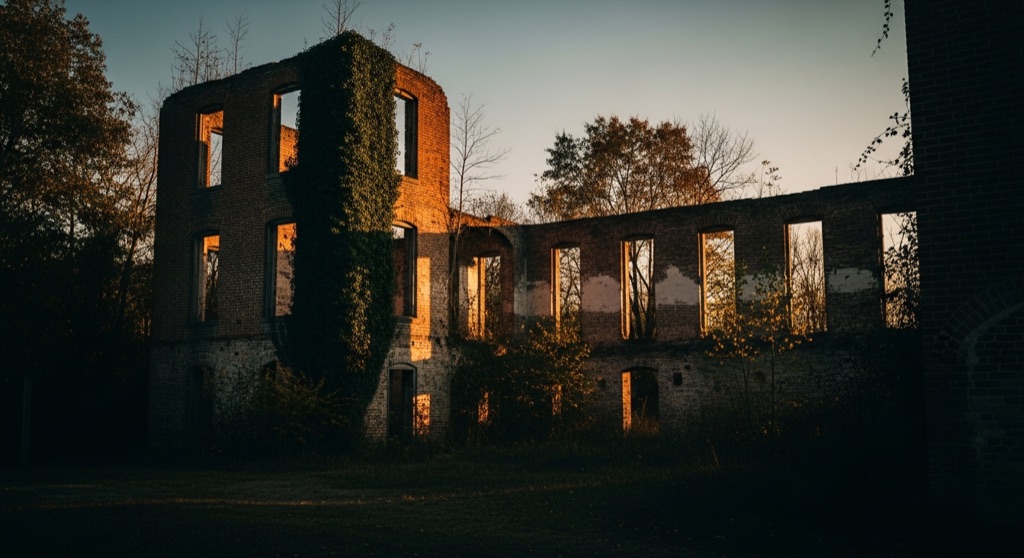 New Manchester Mill Ruins, Sweetwater Creek State ParkOpen to visit
The roofless brick shell of an 1849 five-story cotton mill that spun yarn and osnaburg cloth used by the Confederacy. Union troops burned it in July 1864 and arrested roughly 600 women and child mill workers from the company town around it, marching them to Marietta and shipping most by train to Louisville, Kentucky and Indiana — few ever returned to Georgia.
New Manchester Mill Ruins, Sweetwater Creek State ParkOpen to visit
The roofless brick shell of an 1849 five-story cotton mill that spun yarn and osnaburg cloth used by the Confederacy. Union troops burned it in July 1864 and arrested roughly 600 women and child mill workers from the company town around it, marching them to Marietta and shipping most by train to Louisville, Kentucky and Indiana — few ever returned to Georgia.
-
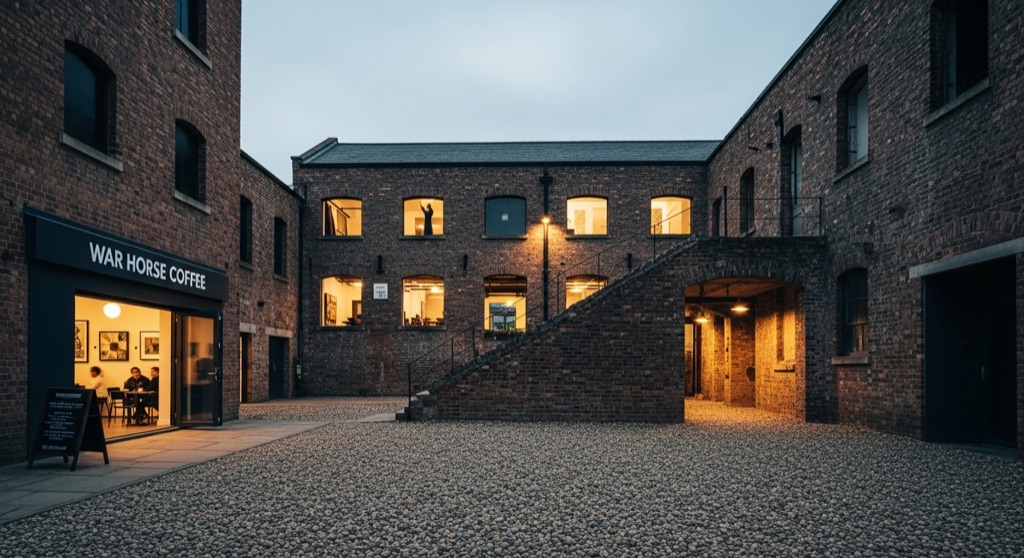 The Goat Farm Arts CenterOpen to visit
A 12-acre 19th-century cotton-gin-and-textile-mill ruin, still "frozen in time," now packed with studios for hundreds of artists, a pebble-filled courtyard, the hollowed-out Goodson Yard event space, and a donation-based coffee shop called War Horse. One local called it "Atlanta's worst kept secret" — the kind of place you have to already know exists.
The Goat Farm Arts CenterOpen to visit
A 12-acre 19th-century cotton-gin-and-textile-mill ruin, still "frozen in time," now packed with studios for hundreds of artists, a pebble-filled courtyard, the hollowed-out Goodson Yard event space, and a donation-based coffee shop called War Horse. One local called it "Atlanta's worst kept secret" — the kind of place you have to already know exists.
-
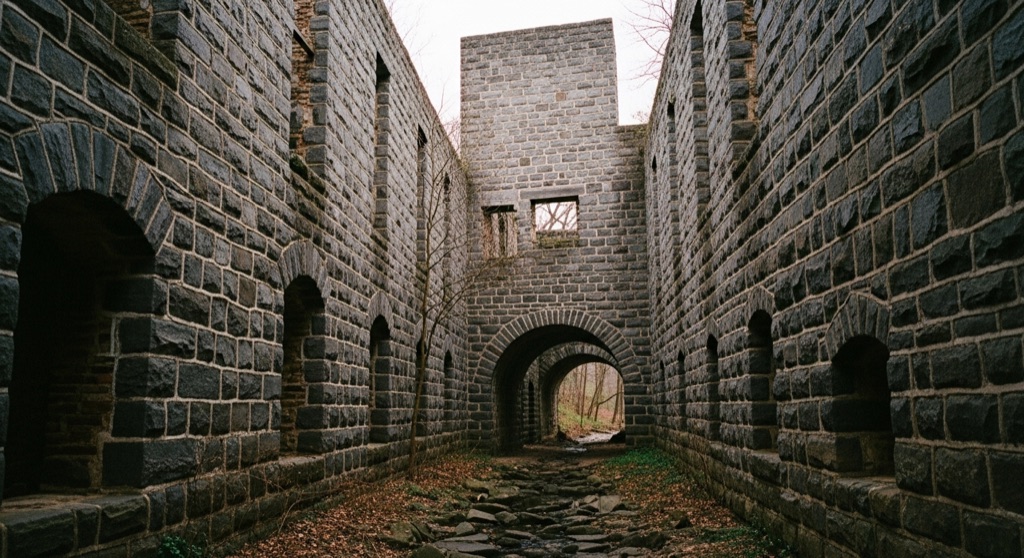 Sope Creek Paper Mill RuinsOpen to visit
Multi-story stone ruins of the Marietta Paper Mill, which supplied paper for Confederate currency until Union troops burned the original buildings in 1864; what stands now was rebuilt afterward. The creek itself is named for a Cherokee man, 'Old Chief Sope,' who is said to have defied the 1838 forced removal and stayed on quietly, teaching local boys Cherokee words until his death.
Sope Creek Paper Mill RuinsOpen to visit
Multi-story stone ruins of the Marietta Paper Mill, which supplied paper for Confederate currency until Union troops burned the original buildings in 1864; what stands now was rebuilt afterward. The creek itself is named for a Cherokee man, 'Old Chief Sope,' who is said to have defied the 1838 forced removal and stayed on quietly, teaching local boys Cherokee words until his death.
-
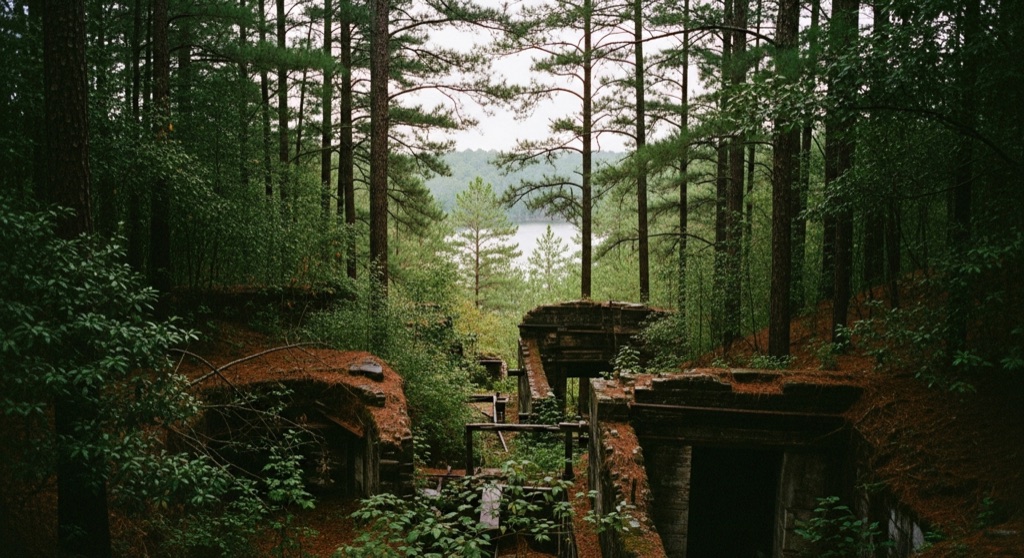 Yorkville MineAccess unclear
Discovered in 1855 with underground operations starting in 1868, this historic gold mine was once a bustling site in Georgia's gold belt. Today, the area is heavily overgrown, leaving behind hidden shafts, old tunnel mouths, and remnants of a mill. Located near Goldmine Lake, the ruins are swallowed by the dense pine forests of Paulding County.
Yorkville MineAccess unclear
Discovered in 1855 with underground operations starting in 1868, this historic gold mine was once a bustling site in Georgia's gold belt. Today, the area is heavily overgrown, leaving behind hidden shafts, old tunnel mouths, and remnants of a mill. Located near Goldmine Lake, the ruins are swallowed by the dense pine forests of Paulding County.
-
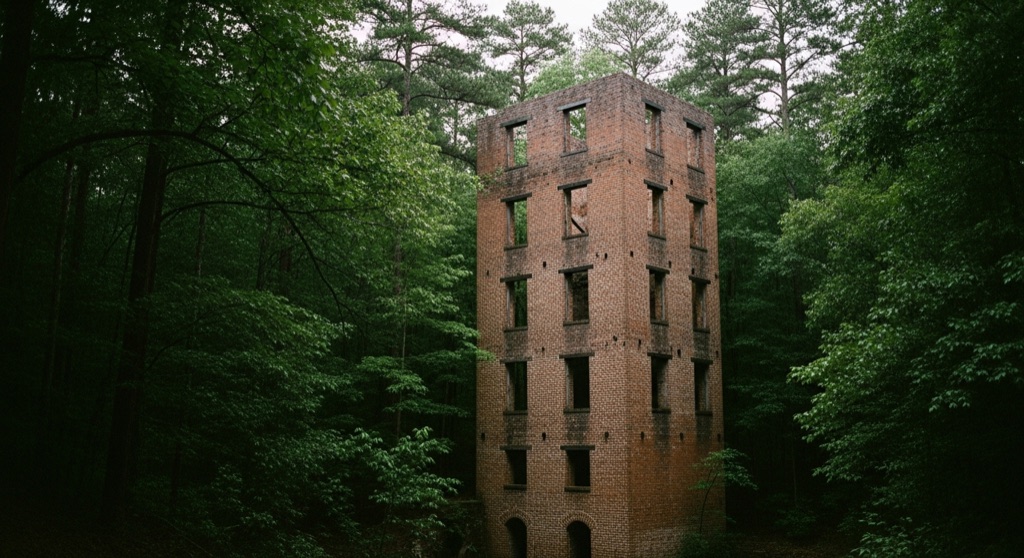 New Manchester Mill RuinsOpen to visit
Constructed in 1849, this five-story water-powered textile mill once anchored a thriving factory town along Sweetwater Creek. During the Civil War, Union forces burned the mill to the ground, arresting the workers and leaving only the brick shell. Today, the towering, soot-stained ruins stand surrounded by dense forest inside Sweetwater Creek State Park.
New Manchester Mill RuinsOpen to visit
Constructed in 1849, this five-story water-powered textile mill once anchored a thriving factory town along Sweetwater Creek. During the Civil War, Union forces burned the mill to the ground, arresting the workers and leaving only the brick shell. Today, the towering, soot-stained ruins stand surrounded by dense forest inside Sweetwater Creek State Park.
-
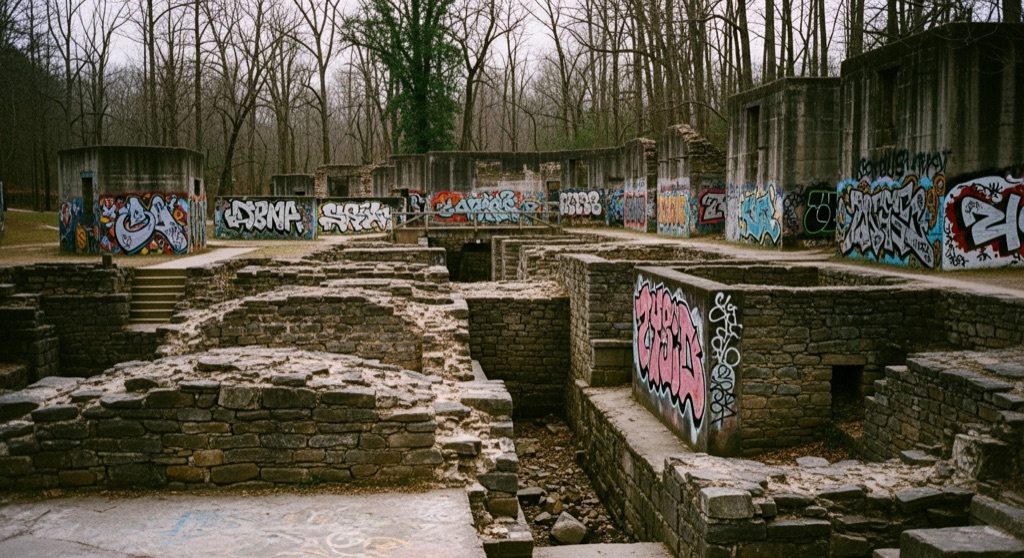 Olde Rope Mill RuinsOpen to visit
Originally established as a gristmill in the 1840s, this site along the Little River transitioned into a cotton rope mill in the 1870s before closing in 1949. Today, the ruins feature crumbling stone foundations, a largely intact millrace channel, and concrete structures covered in vibrant graffiti.
Olde Rope Mill RuinsOpen to visit
Originally established as a gristmill in the 1840s, this site along the Little River transitioned into a cotton rope mill in the 1870s before closing in 1949. Today, the ruins feature crumbling stone foundations, a largely intact millrace channel, and concrete structures covered in vibrant graffiti.
-
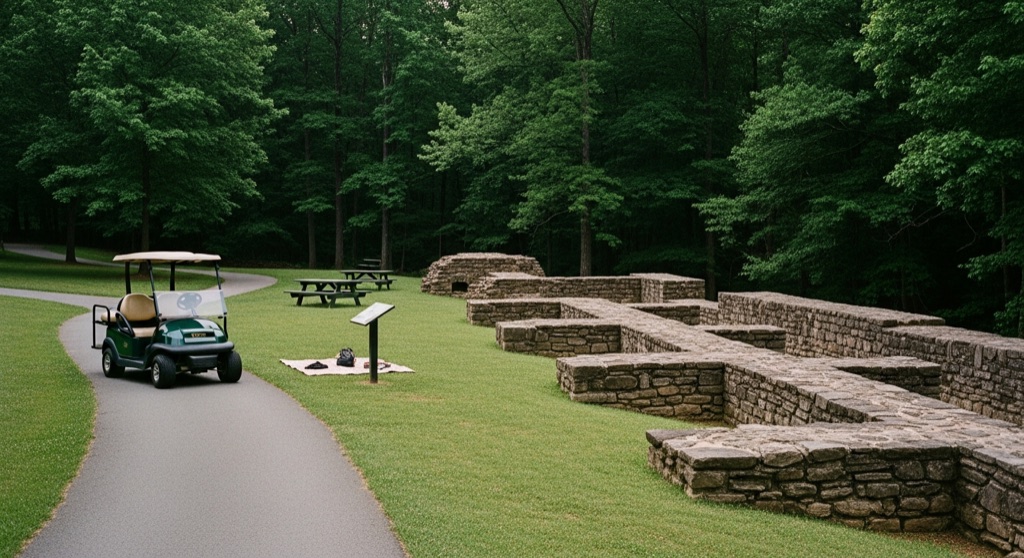 Tinsley Mill RuinsOpen to visit
Tinsley Mill Ruins, located along Flat Creek, preserve the stone foundations and pillars of a 19th-century grist mill. Originally built by George Ware, the mill changed hands several times before being purchased by 'Doc' Tinsley in 1936 and eventually burning down after 1960. Today, the ruins sit adjacent to a quiet public picnic area accessible via Peachtree City's multi-use cart paths.
Tinsley Mill RuinsOpen to visit
Tinsley Mill Ruins, located along Flat Creek, preserve the stone foundations and pillars of a 19th-century grist mill. Originally built by George Ware, the mill changed hands several times before being purchased by 'Doc' Tinsley in 1936 and eventually burning down after 1960. Today, the ruins sit adjacent to a quiet public picnic area accessible via Peachtree City's multi-use cart paths.
-
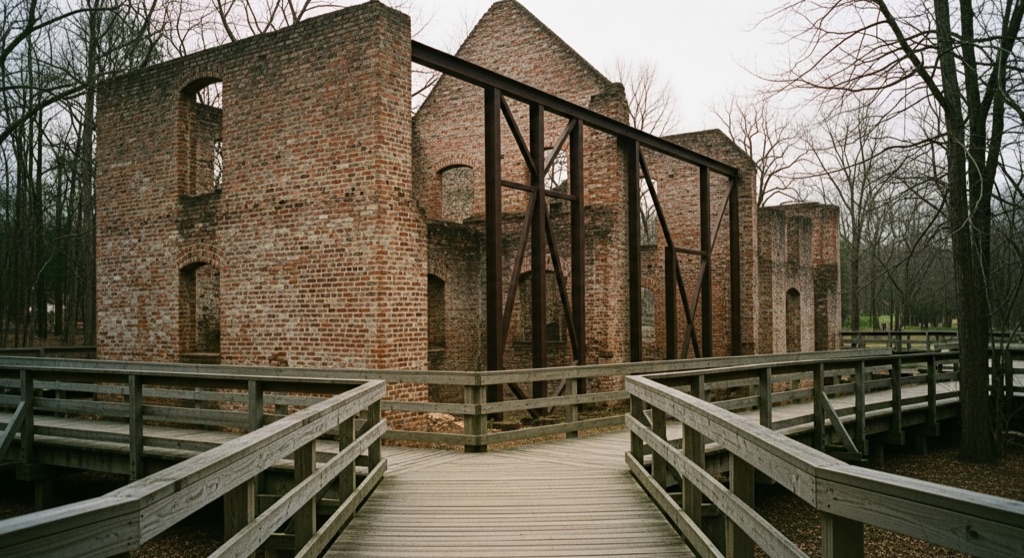 Concord Woolen MillOpen to visit
Dating back to 1847, this historic mill once manufactured Confederate uniforms during the Civil War before being burned down by Union troops in 1864. Rebuilt after the war, it operated until 1916 when it was permanently abandoned and left to the elements. Today, its crumbling brick walls are stabilized by massive steel 'ghost framing' beams along the scenic Heritage Park Trail.
Concord Woolen MillOpen to visit
Dating back to 1847, this historic mill once manufactured Confederate uniforms during the Civil War before being burned down by Union troops in 1864. Rebuilt after the war, it operated until 1916 when it was permanently abandoned and left to the elements. Today, its crumbling brick walls are stabilized by massive steel 'ghost framing' beams along the scenic Heritage Park Trail.
-
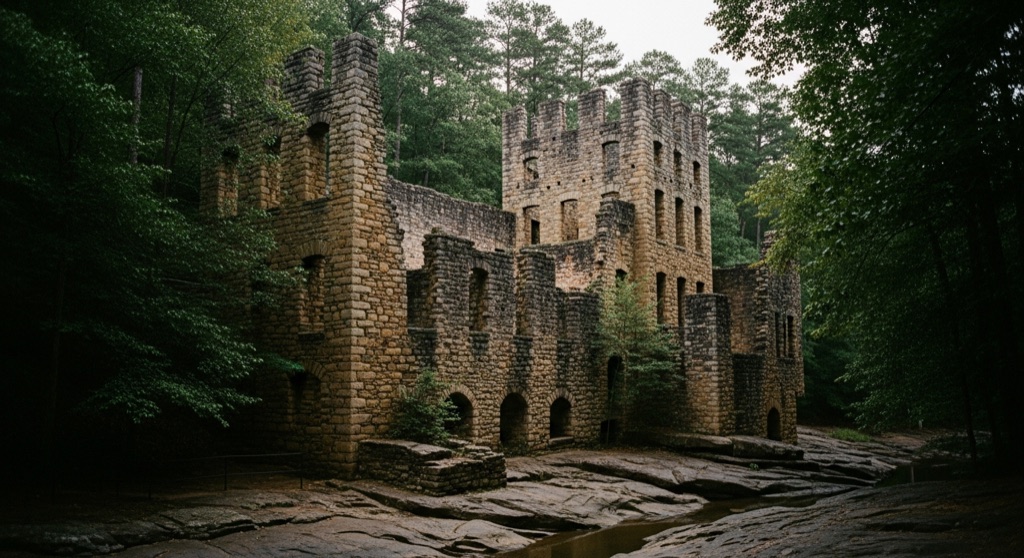 Cross Creek Mill Ruins (Sope Creek Paper Mill)Open to visit
Nestled along the banks of Sope Creek, these multi-story stone ruins are the remains of the Marietta Paper Mill, which was incorporated in 1859. During the Civil War, the mill produced paper for Confederate currency and cartridge paper before being burned by Union forces in 1864. Today, the towering, castle-like stacked-stone walls and foundations are preserved within the Chattahoochee River National Recreation Area.
Cross Creek Mill Ruins (Sope Creek Paper Mill)Open to visit
Nestled along the banks of Sope Creek, these multi-story stone ruins are the remains of the Marietta Paper Mill, which was incorporated in 1859. During the Civil War, the mill produced paper for Confederate currency and cartridge paper before being burned by Union forces in 1864. Today, the towering, castle-like stacked-stone walls and foundations are preserved within the Chattahoochee River National Recreation Area.
Abandoned places in Atlanta — FAQ
Is it legal to visit abandoned places around Atlanta?
It depends on the site, and each listing here says explicitly — with the reason. Of the 9 with a verified access status: 8 are legal to enter (like New Manchester Mill Ruins, Sweetwater Creek State Park and The Goat Farm Arts Center), 0 are view-only from public land or roadside, and 1 are private property or genuinely unsafe — those are marked "do not enter" rather than romanticised.
Which abandoned & forgotten places in Atlanta are the strangest?
Ranked by how strange they actually are: New Manchester Mill Ruins, Sweetwater Creek State Park, Yorkville Mine and New Manchester Mill Ruins. New Manchester Mill Ruins, Sweetwater Creek State Park — The roofless brick shell of an 1849 five-story cotton mill that spun yarn and osnaburg cloth used by the Confederacy.
Where in Atlanta are they?
Across Lithia Springs, West Midtown / Blandtown, Atlanta, Marietta / Chattahoochee River NRA, Yorkville Mine and Woodstock and 3 more. Each listing gives the neighborhood and address so you can cluster a couple into one outing.
Are any of the abandoned & forgotten places in Atlanta free?
Yes — 6 are free to visit, including Yorkville Mine, New Manchester Mill Ruins and Olde Rope Mill Ruins. The rest are mostly low-cost.
Is this a good weird date in Atlanta?
That's what the list is built for. Every entry has a specific move rather than a vague recommendation — at New Manchester Mill Ruins, Sweetwater Creek State Park, for instance: Hike the trail along the creek to the ruins at dusk and stand inside the four-story brick walls where a whole company town's worth of women lived and worked until the war erased it overnight.
How were these abandoned & forgotten places chosen?
An agentic research system digs for the genuinely obscure — the spots even locals miss — and every one is verified against real sources before it makes the list. We deliberately skip the landmarks already on every Atlanta guide.