After dark & night sky things to do in Denver
After-dark and night-sky things to do in Denver: 10 of them, from Havana Street Night Markets, Little Thompson Observatory and Chamberlin Observatory (Denver Astronomical Society Public Nights). Late-opening oddities, dark-sky spots and places that only make sense once the sun is down. They spread across Aurora (Havana Street corridor), Berthoud, Observatory Park, Denver, Boulder and 5 more areas, so two or three can make a whole afternoon. Every entry is hand-vetted against real sources — not scraped off a top-ten list or averaged out of crowd ratings.
-
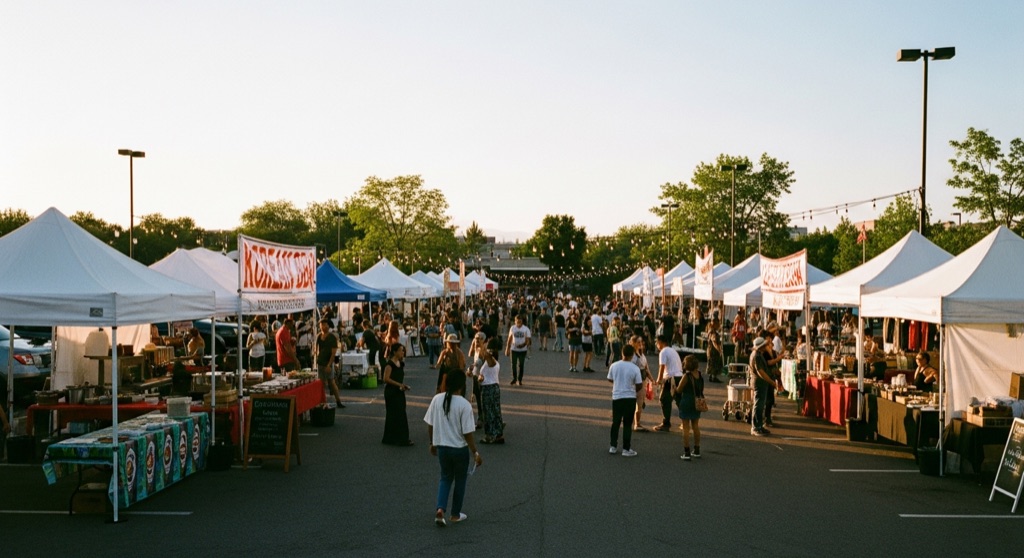 Havana Street Night Markets
Once a month from late spring through September, the parking lot around Leezakaya on South Havana turns into a global street fair that almost nobody outside Aurora's immigrant neighborhoods knows about. This four-mile stretch bills itself as the most ethnically diverse commercial corridor in Colorado, and the night market is the proof: Korean BBQ, Mexican street tacos, West African plates and fusion oddities side by side, plus vendors hawking jewelry, art and clothing while live music and dancing run till 10pm. It's run by the neighborhood business district, not a festival promoter, which is exactly why it stays under the tourist radar. Show up hungry and graze your way across a dozen cuisines in one lot.
Havana Street Night Markets
Once a month from late spring through September, the parking lot around Leezakaya on South Havana turns into a global street fair that almost nobody outside Aurora's immigrant neighborhoods knows about. This four-mile stretch bills itself as the most ethnically diverse commercial corridor in Colorado, and the night market is the proof: Korean BBQ, Mexican street tacos, West African plates and fusion oddities side by side, plus vendors hawking jewelry, art and clothing while live music and dancing run till 10pm. It's run by the neighborhood business district, not a festival promoter, which is exactly why it stays under the tourist radar. Show up hungry and graze your way across a dozen cuisines in one lot.
-
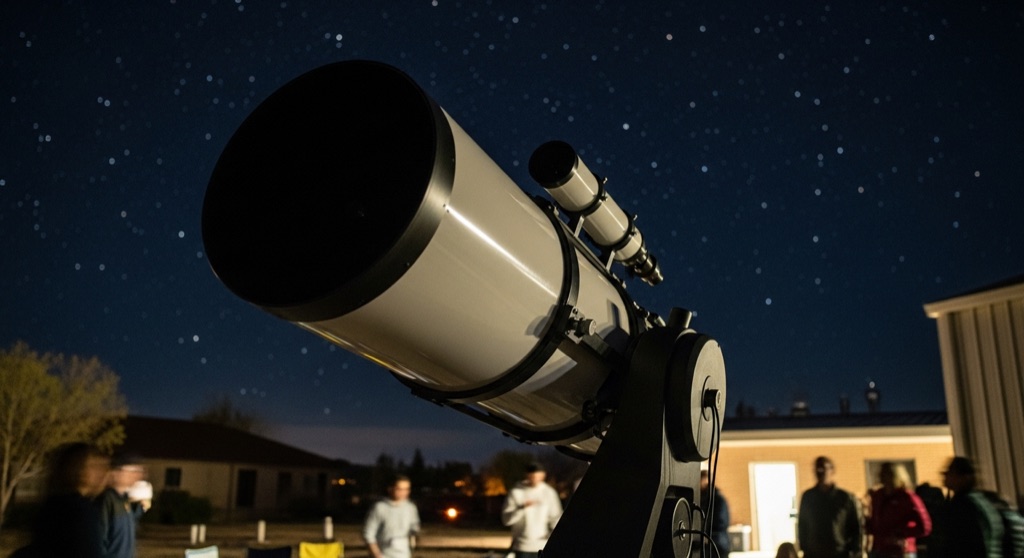 Little Thompson Observatory
The Little Thompson Observatory is a fully volunteer-run public observatory on the Berthoud High School campus, housing a 24-inch Mount Wilson telescope that was used to map the lunar surface for Apollo mission landing site selection — you can peer through the same optics that helped put humans on the moon. Free public star nights run on the third Friday of each month, drawing hundreds of visitors with trained volunteer astronomers on hand.
Little Thompson Observatory
The Little Thompson Observatory is a fully volunteer-run public observatory on the Berthoud High School campus, housing a 24-inch Mount Wilson telescope that was used to map the lunar surface for Apollo mission landing site selection — you can peer through the same optics that helped put humans on the moon. Free public star nights run on the third Friday of each month, drawing hundreds of visitors with trained volunteer astronomers on hand.
-
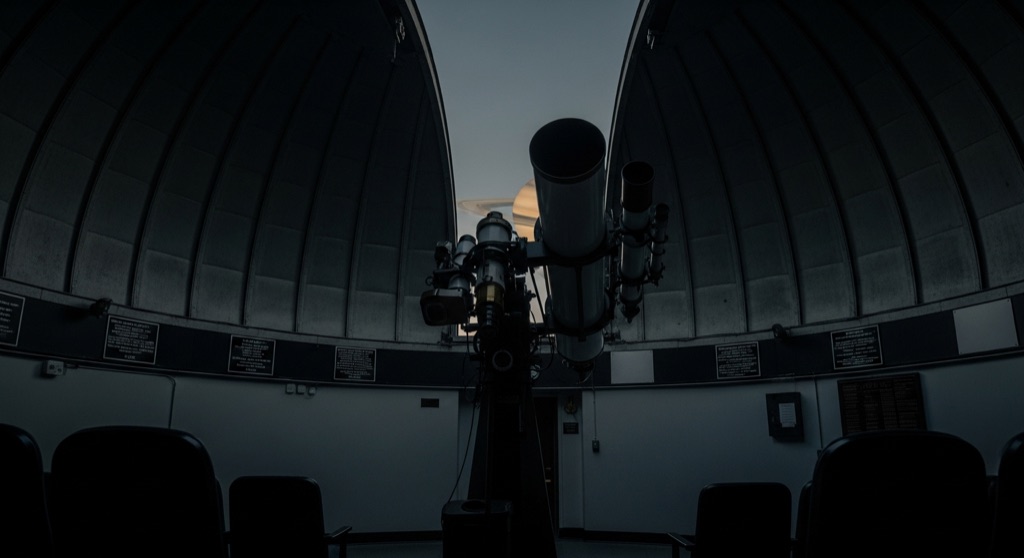 Chamberlin Observatory (Denver Astronomical Society Public Nights)
Denver's historic red-sandstone Chamberlin Observatory still opens its dome on Tuesday and Thursday evenings, run by the all-volunteer Denver Astronomical Society. After a short live talk by a DAS lecturer, you climb to the eyepiece of an 1894 20-inch Alvan Clark-Saegmuller refractor and look at the Moon, planets, clusters, and nebulae. The fee is famously tiny and seats are limited, so you reserve ahead. Weather can cancel viewing, but a tour of the historic interior happens regardless.
Chamberlin Observatory (Denver Astronomical Society Public Nights)
Denver's historic red-sandstone Chamberlin Observatory still opens its dome on Tuesday and Thursday evenings, run by the all-volunteer Denver Astronomical Society. After a short live talk by a DAS lecturer, you climb to the eyepiece of an 1894 20-inch Alvan Clark-Saegmuller refractor and look at the Moon, planets, clusters, and nebulae. The fee is famously tiny and seats are limited, so you reserve ahead. Weather can cancel viewing, but a tour of the historic interior happens regardless.
-
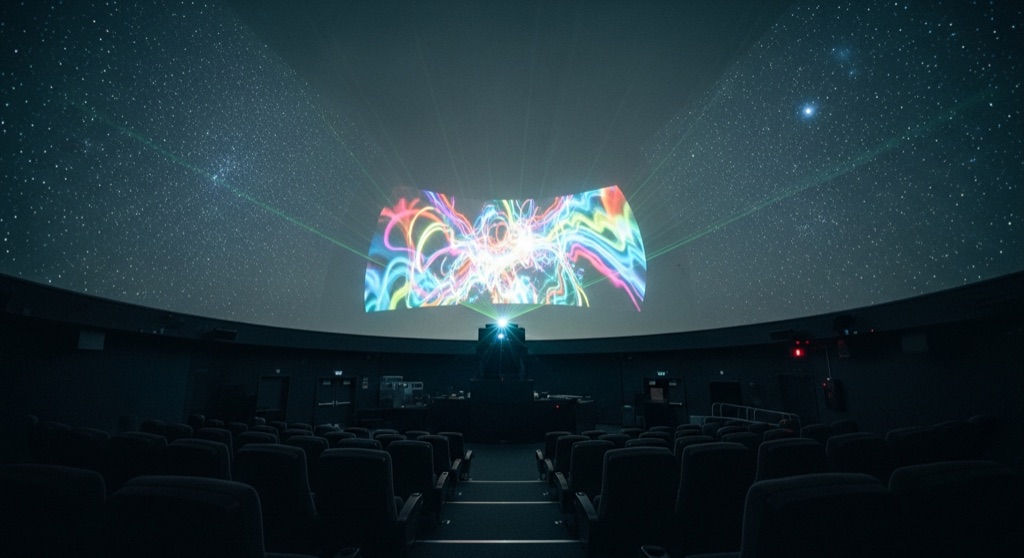 Fiske Planetarium Laser & Liquid Sky Shows
On CU Boulder's campus, Fiske runs a 65-foot dome (the largest between Chicago and Los Angeles), and after dark it turns that 8K dome into a trippy laser-and-Liquid-Sky music venue. Late shows pair full-surround sound with abstract visuals rendered live overhead, set to artists like Pink Floyd and Tool. The MegaStar projector can throw ten million stars across the dome, so a real night-sky show often bookends the lasers. It seats just over 200, leaning intimate for a big-dome experience.
Fiske Planetarium Laser & Liquid Sky Shows
On CU Boulder's campus, Fiske runs a 65-foot dome (the largest between Chicago and Los Angeles), and after dark it turns that 8K dome into a trippy laser-and-Liquid-Sky music venue. Late shows pair full-surround sound with abstract visuals rendered live overhead, set to artists like Pink Floyd and Tool. The MegaStar projector can throw ten million stars across the dome, so a real night-sky show often bookends the lasers. It seats just over 200, leaning intimate for a big-dome experience.
-
 Sommers-Bausch Observatory Open House Nights
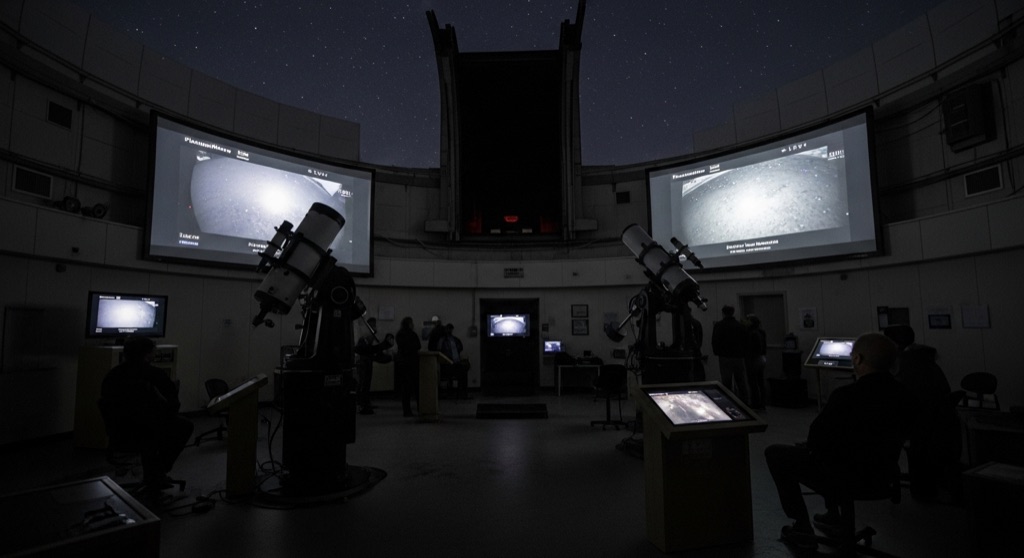
On CU Boulder's main campus next to Fiske Planetarium, this working teaching observatory throws open its rooftop observing deck on clear Friday nights, free of charge. You queue at the eyepiece of two 20-inch PlaneWave telescopes aimed at the Moon, planets, nebulae and galaxies, with live camera feeds on big screens for anyone who can't manage the step ladder. Because they only open under clear skies, they post a go/no-go status on Facebook and Instagram and by phone (303-492-2020) in the hour before start time. Sessions run loose, one to three hours, depending on the weather and the crowd.
Sommers-Bausch Observatory Open House Nights
On CU Boulder's main campus next to Fiske Planetarium, this working teaching observatory throws open its rooftop observing deck on clear Friday nights, free of charge. You queue at the eyepiece of two 20-inch PlaneWave telescopes aimed at the Moon, planets, nebulae and galaxies, with live camera feeds on big screens for anyone who can't manage the step ladder. Because they only open under clear skies, they post a go/no-go status on Facebook and Instagram and by phone (303-492-2020) in the hour before start time. Sessions run loose, one to three hours, depending on the weather and the crowd.
-
 Smokey Jack Observatory & Wet Mountain Valley Dark Skies
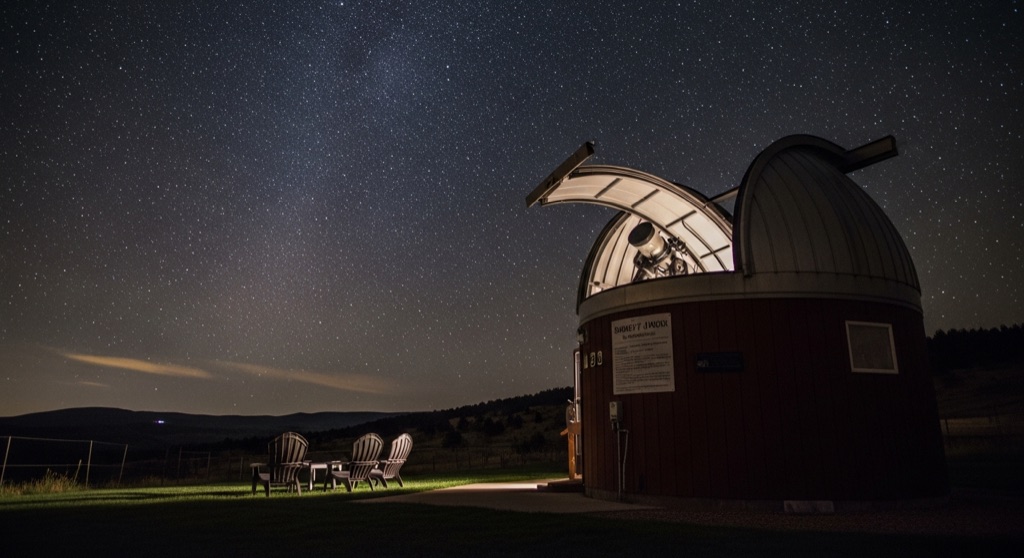
Westcliffe and neighboring Silver Cliff form Colorado's first International Dark Sky Community, and the little 12-by-12 Smokey Jack Observatory sits at the heart of it as the highest-elevation dark-sky observatory in the world. Its retractable roof opens over a 14-inch computer-guided telescope, and from May through October volunteer Star Guides run free star parties tracing the Milky Way, planets and clusters. The valley's near-total absence of light pollution makes the naked-eye sky almost overwhelming on its own. You can book a free public or private star party online.
Smokey Jack Observatory & Wet Mountain Valley Dark Skies
Westcliffe and neighboring Silver Cliff form Colorado's first International Dark Sky Community, and the little 12-by-12 Smokey Jack Observatory sits at the heart of it as the highest-elevation dark-sky observatory in the world. Its retractable roof opens over a 14-inch computer-guided telescope, and from May through October volunteer Star Guides run free star parties tracing the Milky Way, planets and clusters. The valley's near-total absence of light pollution makes the naked-eye sky almost overwhelming on its own. You can book a free public or private star party online.
-
 Rocky Mountain Paddleboard Full Moon Paddle
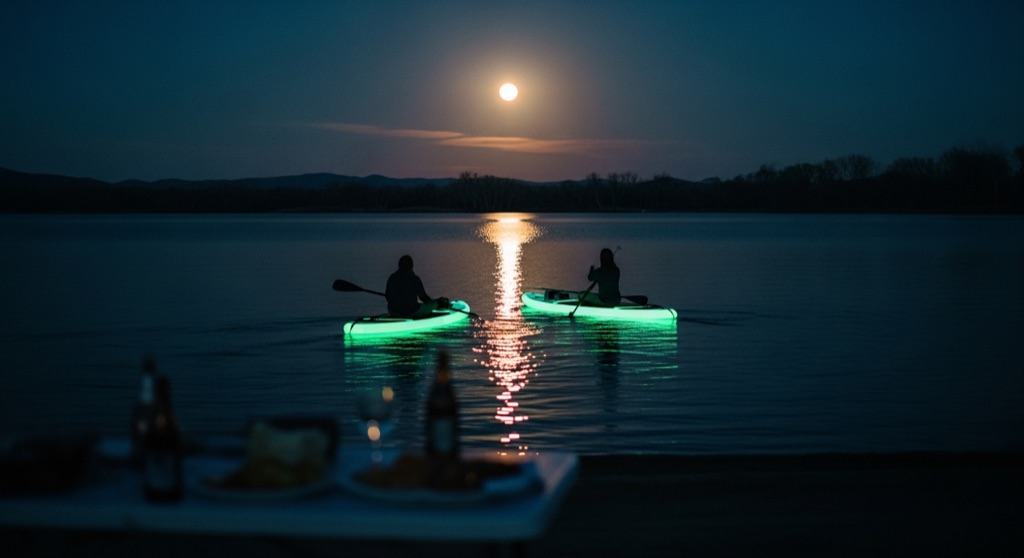
Once a month around the full moon, this outfitter launches themed night paddles onto Front Range reservoirs after dark, including Boulder Reservoir and Cherry Creek. Glowing boards drift across the water while the moon rises, and food and drinks are usually on hand at the launch. They run the series spring through early fall, so dates shift with the lunar calendar each month. It's beginner-friendly, with rentals and guides, but you will probably get a little wet.
Rocky Mountain Paddleboard Full Moon Paddle
Once a month around the full moon, this outfitter launches themed night paddles onto Front Range reservoirs after dark, including Boulder Reservoir and Cherry Creek. Glowing boards drift across the water while the moon rises, and food and drinks are usually on hand at the launch. They run the series spring through early fall, so dates shift with the lunar calendar each month. It's beginner-friendly, with rentals and guides, but you will probably get a little wet.
-
 88 Drive-In Theatre
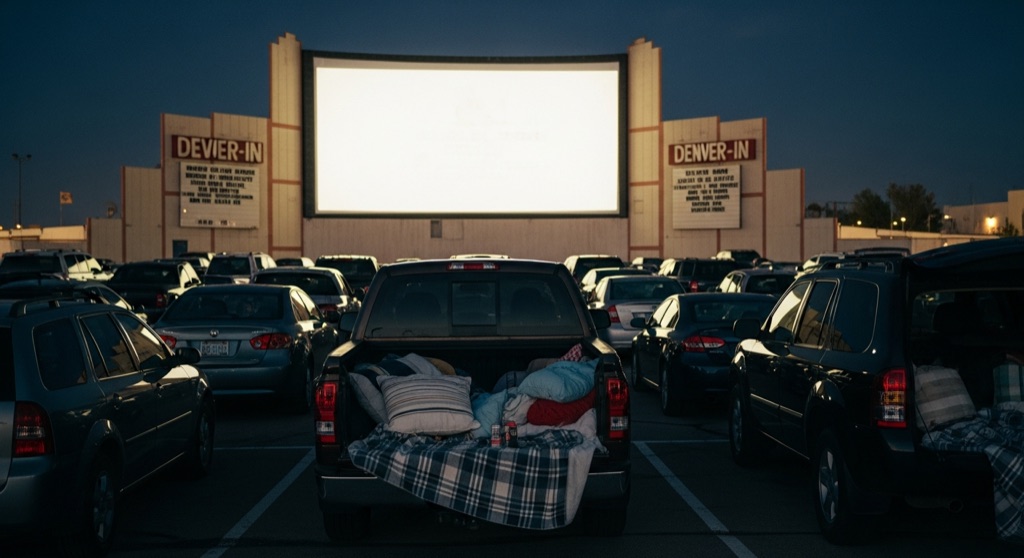
The last original drive-in in the Denver metro, glowing on the plains north of the city since 1971 and now rolling into its 50th season under the actual stars. You park, tune the movie's audio through your car's FM radio, and watch a double feature off a single screen for one flat per-person price (kids under 12 free, cash at the box office only). New this season they let you bring outside food and drinks if you buy a $10 food permit, so the trunk-picnic-from-the-back-of-the-hatchback move is officially sanctioned.
88 Drive-In Theatre
The last original drive-in in the Denver metro, glowing on the plains north of the city since 1971 and now rolling into its 50th season under the actual stars. You park, tune the movie's audio through your car's FM radio, and watch a double feature off a single screen for one flat per-person price (kids under 12 free, cash at the box office only). New this season they let you bring outside food and drinks if you buy a $10 food permit, so the trunk-picnic-from-the-back-of-the-hatchback move is officially sanctioned.
-
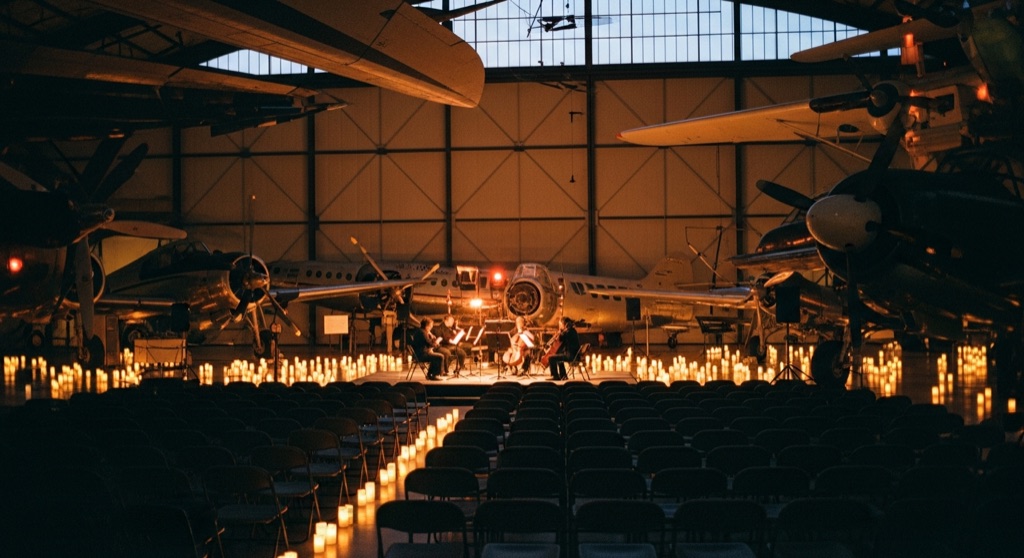 Candlelight Concert at Wings Over the Rockies Air & Space Museum
Fever's Candlelight series stages string-quartet evening concerts inside an actual air and space museum, so you listen to live Vivaldi, Hans Zimmer film scores, or pop reimaginings while surrounded by vintage aircraft and a hangar full of flameless candles. Shows run as two back-to-back 60-minute performances with doors an hour before. The museum-in-a-former-hangar setting makes it weirder and more atmospheric than the usual church or ballroom candlelight gig.
Candlelight Concert at Wings Over the Rockies Air & Space Museum
Fever's Candlelight series stages string-quartet evening concerts inside an actual air and space museum, so you listen to live Vivaldi, Hans Zimmer film scores, or pop reimaginings while surrounded by vintage aircraft and a hangar full of flameless candles. Shows run as two back-to-back 60-minute performances with doors an hour before. The museum-in-a-former-hangar setting makes it weirder and more atmospheric than the usual church or ballroom candlelight gig.
-
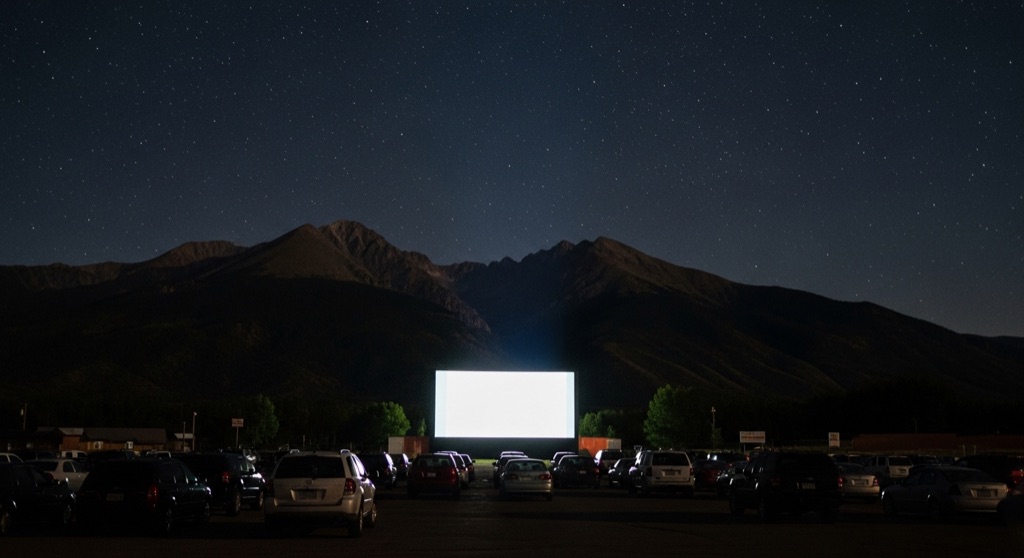 Comanche Drive-In Theatre
Billed as the highest-elevation drive-in in the United States, Comanche sits three miles west of Buena Vista in the upper Arkansas River valley, with the Collegiate Peaks looming behind the screen. At nearly 8,000 feet the night sky is absurdly dark, so the stars compete with the movie. It's a genuine destination drive-in, not a metro convenience, worth the mountain drive for the setting alone.
Comanche Drive-In Theatre
Billed as the highest-elevation drive-in in the United States, Comanche sits three miles west of Buena Vista in the upper Arkansas River valley, with the Collegiate Peaks looming behind the screen. At nearly 8,000 feet the night sky is absurdly dark, so the stars compete with the movie. It's a genuine destination drive-in, not a metro convenience, worth the mountain drive for the setting alone.
After dark & night sky things to do in Denver — FAQ
What is there to do late at night in Denver besides bars?
Havana Street Night Markets, Little Thompson Observatory and Chamberlin Observatory (Denver Astronomical Society Public Nights) — 10 spots that only make sense after dark, 9 of them outdoors under the actual night sky. None of them are just a bar with the lights down.
Which after-dark & night-sky spots in Denver are the strangest?
Ranked by how strange they actually are: Little Thompson Observatory, Havana Street Night Markets and Chamberlin Observatory (Denver Astronomical Society Public Nights). Little Thompson Observatory — The Little Thompson Observatory is a fully volunteer-run public observatory on the Berthoud High School campus, housing a 24-inch Mount Wilson telescope that was used to map the lunar surface for Apollo mission landing site selection — you can peer through the same optics that helped put humans on the moon.
Where in Denver are they?
Across Aurora (Havana Street corridor), Berthoud, Observatory Park, Denver, Boulder and Westcliffe and 4 more. Each listing gives the neighborhood and address so you can cluster a couple into one outing.
Is this a good weird date in Denver?
That's what the list is built for. Every entry has a specific move rather than a vague recommendation — at Little Thompson Observatory, for instance: Arrive for the free Public Star Night (third Friday of the month, doors open 7 pm, program at 7:30 pm) — listen to a short talk from a volunteer astronomer, then take turns at the 24-inch Apollo-era scope to view planets, nebulae, or star clusters, and ask the staff to tell you the story of how the telescope helped choose where the Apollo landers would touch down.
How were these after-dark & night-sky spots chosen?
An agentic research system digs for the genuinely obscure — the spots even locals miss — and every one is verified against real sources before it makes the list. We deliberately skip the landmarks already on every Denver guide.