Abandoned places in Denver
16 abandoned and forgotten places around Denver, Cassady's — Neal Cassady's Barbershop Site, 2558 Champa St., Historic Elitch Theatre and Riverside Cemetery among them — and for each one, whether you can legally visit. Ruins, ghost towns and shuttered industry, with the ones that are trespassing or genuinely unsafe marked as such rather than romanticised. They spread across Curtis Park, Highland / West Highland (38th & Tennyson), Swansea / Brighton Boulevard corridor, Denver, Franktown (Douglas County) and 12 more areas, so two or three can make a whole afternoon. 12 of them cost nothing. Every entry is hand-vetted against real sources — not scraped off a top-ten list or averaged out of crowd ratings.
Every abandoned place we've verified, nationwide — with its legal-access status →
-
 Cassady's — Neal Cassady's Barbershop Site, 2558 Champa St.View only
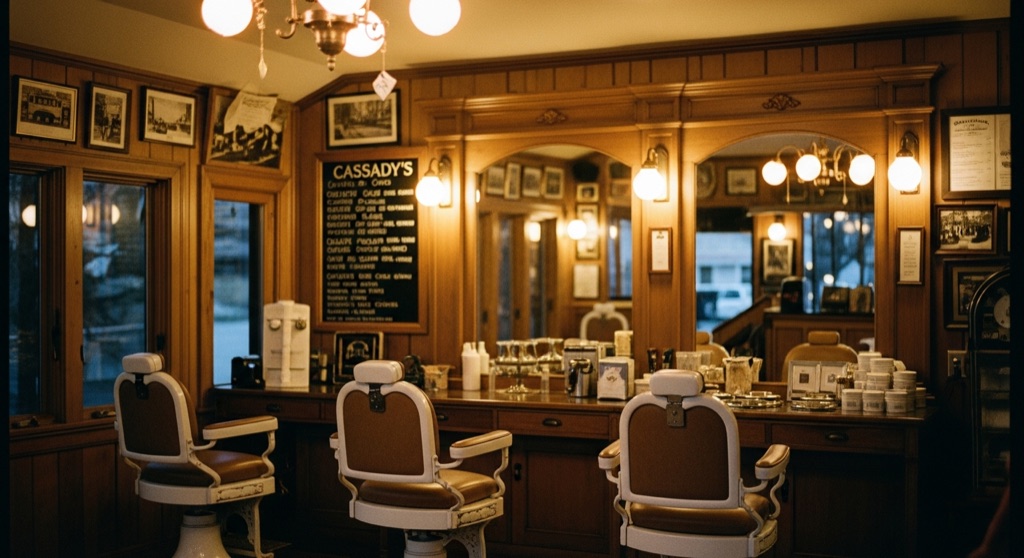
A 400-square-foot shack wedged between two houses on Champa was once a two-chair barbershop where a young Neal Cassady — the speed-talking muse of On the Road — slept on a dirt floor in a back addition. It's no folklore: the place sat on Denver's 'neglected and derelict' buildings list since 1999, longer than anything else in the city, the lone physical relic of Cassady's hardscrabble childhood. The owners who bought it in 2019 are turning it into 'Cassady's,' a Beat-Generation-themed gelato shop that'll also sell his book The First Third. Whether you catch it as a relic or a scoop of gelato, almost no one walking by knows what they're looking at.
Cassady's — Neal Cassady's Barbershop Site, 2558 Champa St.View only
A 400-square-foot shack wedged between two houses on Champa was once a two-chair barbershop where a young Neal Cassady — the speed-talking muse of On the Road — slept on a dirt floor in a back addition. It's no folklore: the place sat on Denver's 'neglected and derelict' buildings list since 1999, longer than anything else in the city, the lone physical relic of Cassady's hardscrabble childhood. The owners who bought it in 2019 are turning it into 'Cassady's,' a Beat-Generation-themed gelato shop that'll also sell his book The First Third. Whether you catch it as a relic or a scoop of gelato, almost no one walking by knows what they're looking at.
-
 Historic Elitch TheatreOpen to visit
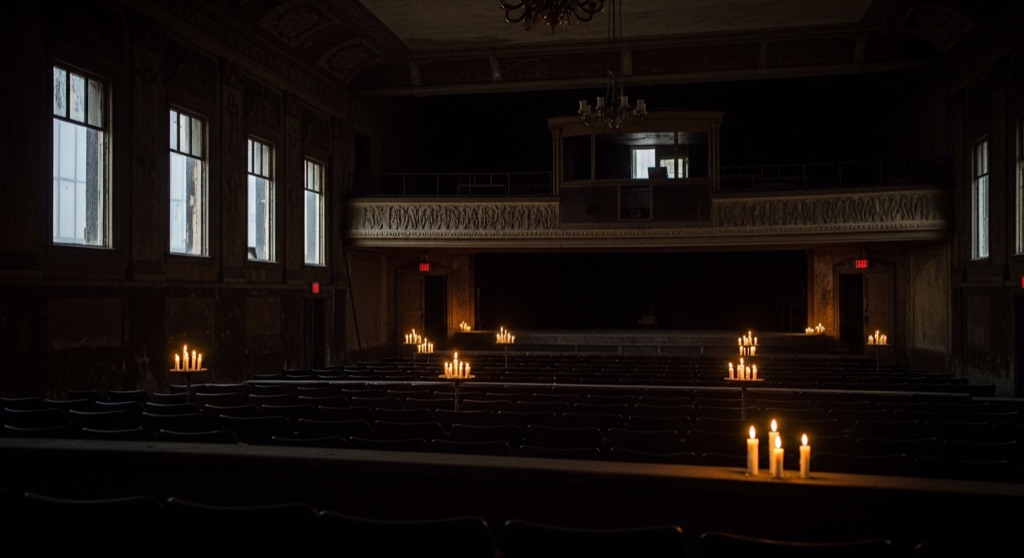
Everyone thinks 'Elitch' means the Six Flags coaster park on the Platte — almost no one knows the original 1890 theatre still stands by the old carousel in Highland. It was America's oldest summer-stock playhouse, hosted Colorado's first moving picture (Edison's Vitascope, 1896), and launched names like Grace Kelly and Vincent Price before going dark after its last show in 1991. It sat abandoned for three decades; a foundation finally brought live theatre back in 2024, and Mary Elitch's ghost is said to linger in her old viewing box. Catch it now while it's half-restored and barely on anyone's radar.
Historic Elitch TheatreOpen to visit
Everyone thinks 'Elitch' means the Six Flags coaster park on the Platte — almost no one knows the original 1890 theatre still stands by the old carousel in Highland. It was America's oldest summer-stock playhouse, hosted Colorado's first moving picture (Edison's Vitascope, 1896), and launched names like Grace Kelly and Vincent Price before going dark after its last show in 1991. It sat abandoned for three decades; a foundation finally brought live theatre back in 2024, and Mary Elitch's ghost is said to linger in her old viewing box. Catch it now while it's half-restored and barely on anyone's radar.
-
 Riverside CemeteryOpen to visit
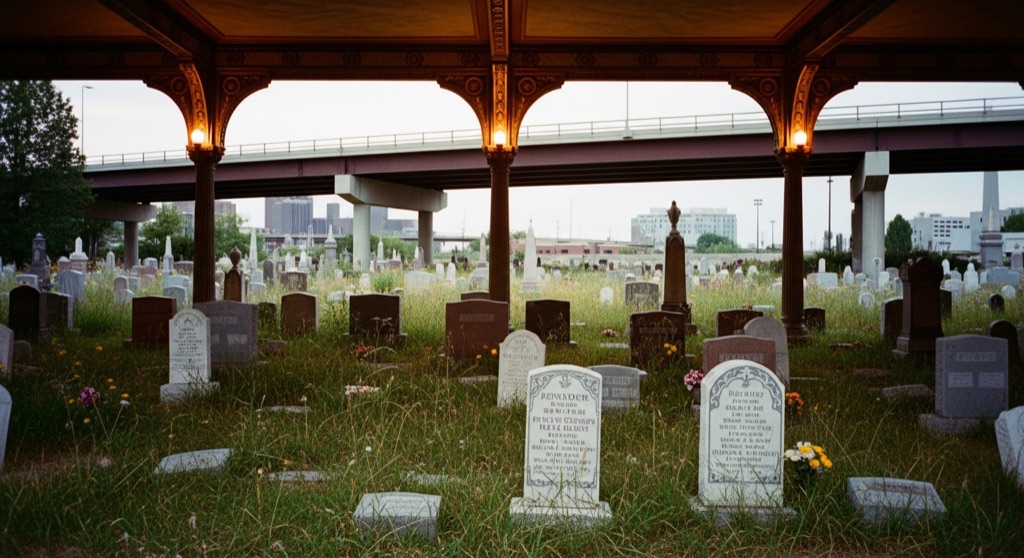
Denver's oldest operating cemetery (1876) got swallowed by the city it served — today it's boxed in by industrial lots, I-70 overpasses, and rail yards along Brighton Boulevard. After it lost its irrigation water rights in the early 2000s, the lawns died back to wild prairie grass, so 67,000 graves now sit in waist-high weeds and wildflowers. It made Colorado's Most Endangered Places list, yet the gates are open and you'll likely have all 77 acres to yourself. The headstones read like a directory of frontier Denver, veterans included.
Riverside CemeteryOpen to visit
Denver's oldest operating cemetery (1876) got swallowed by the city it served — today it's boxed in by industrial lots, I-70 overpasses, and rail yards along Brighton Boulevard. After it lost its irrigation water rights in the early 2000s, the lawns died back to wild prairie grass, so 67,000 graves now sit in waist-high weeds and wildflowers. It made Colorado's Most Endangered Places list, yet the gates are open and you'll likely have all 77 acres to yourself. The headstones read like a directory of frontier Denver, veterans included.
-
 Castlewood Canyon Lucas Homestead RuinsOpen to visit
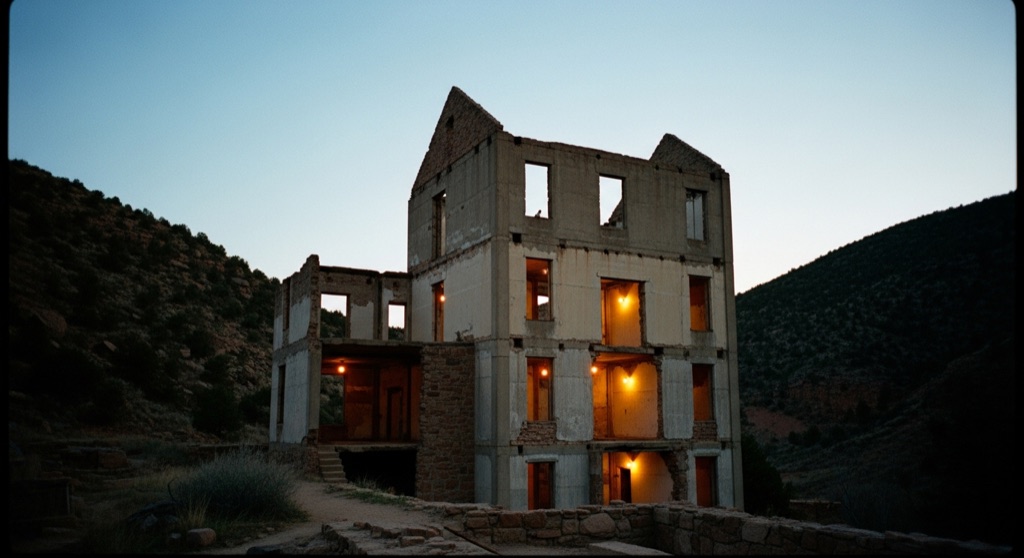
Most people drive out to Castlewood Canyon for the collapsed-dam ruins, never realizing a second, weirder ruin sits a five-minute walk from a different parking lot. Patrick and Margaret Lucas — Irish immigrants who met in Arizona and married in 1889 — homesteaded here and in 1898 built a two-story house out of poured concrete, a bizarre choice for a residence at the time, to shelter their eight kids. The family kept it up until a fire gutted it in the early 1960s; now the bare concrete shell rises straight out of the canyon floor. The 0.35-mile spur to it is short, flat, and almost always empty.
Castlewood Canyon Lucas Homestead RuinsOpen to visit
Most people drive out to Castlewood Canyon for the collapsed-dam ruins, never realizing a second, weirder ruin sits a five-minute walk from a different parking lot. Patrick and Margaret Lucas — Irish immigrants who met in Arizona and married in 1889 — homesteaded here and in 1898 built a two-story house out of poured concrete, a bizarre choice for a residence at the time, to shelter their eight kids. The family kept it up until a fire gutted it in the early 1960s; now the bare concrete shell rises straight out of the canyon floor. The 0.35-mile spur to it is short, flat, and almost always empty.
-
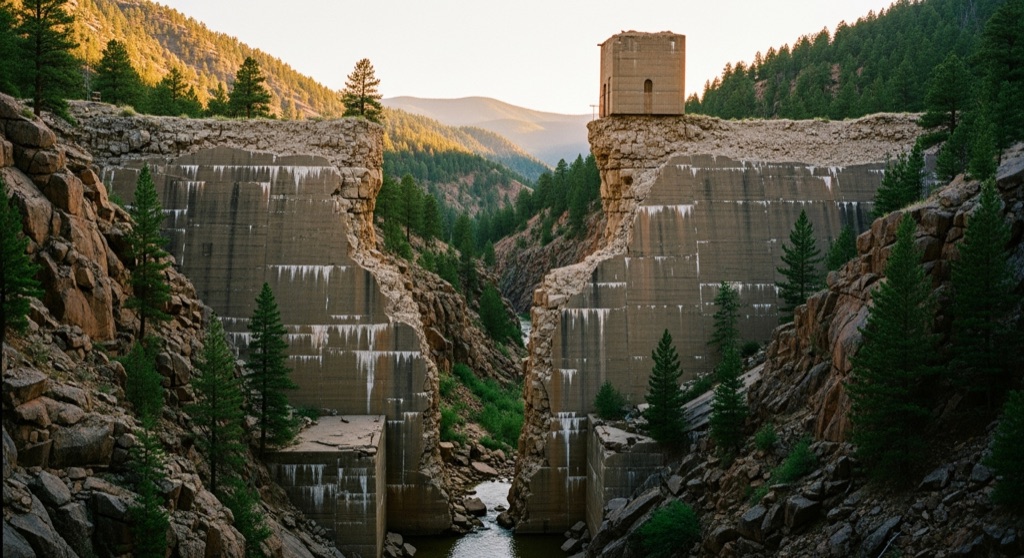 Castlewood Canyon Dam RuinsOpen to visit
The crumbling concrete shell of the 1890 Castlewood Dam still stands in two massive broken halves, the gap between them marking the exact point where a 15-foot wall of water tore loose at 1 a.m. on August 3, 1933, and roared 40 miles down Cherry Creek to flood downtown Denver. You can walk right through that breach on established trails while the canyon walls and stunted pines make it feel genuinely remote and eerie.
Castlewood Canyon Dam RuinsOpen to visit
The crumbling concrete shell of the 1890 Castlewood Dam still stands in two massive broken halves, the gap between them marking the exact point where a 15-foot wall of water tore loose at 1 a.m. on August 3, 1933, and roared 40 miles down Cherry Creek to flood downtown Denver. You can walk right through that breach on established trails while the canyon walls and stunted pines make it feel genuinely remote and eerie.
-
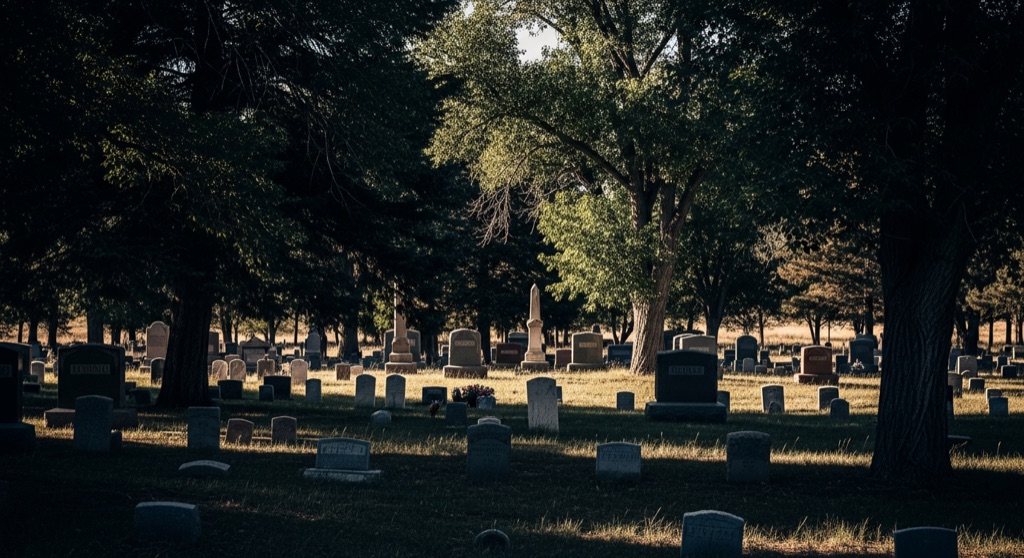 Knights of Pythias CemeteryOpen to visit
A small, atmospheric hilltop cemetery belonging to the secretive Knights of Pythias fraternal order, where some of the 19th-century grave plots are ringed by ornamental iron fences capped with decorative globe-like "Tesla ball" finials — a quirky local nod to Nikola Tesla's Colorado experiments. It sits within a striking cluster of historic mining-era graveyards above Black Hawk, backed by panoramic Rocky Mountain views.
Knights of Pythias CemeteryOpen to visit
A small, atmospheric hilltop cemetery belonging to the secretive Knights of Pythias fraternal order, where some of the 19th-century grave plots are ringed by ornamental iron fences capped with decorative globe-like "Tesla ball" finials — a quirky local nod to Nikola Tesla's Colorado experiments. It sits within a striking cluster of historic mining-era graveyards above Black Hawk, backed by panoramic Rocky Mountain views.
-
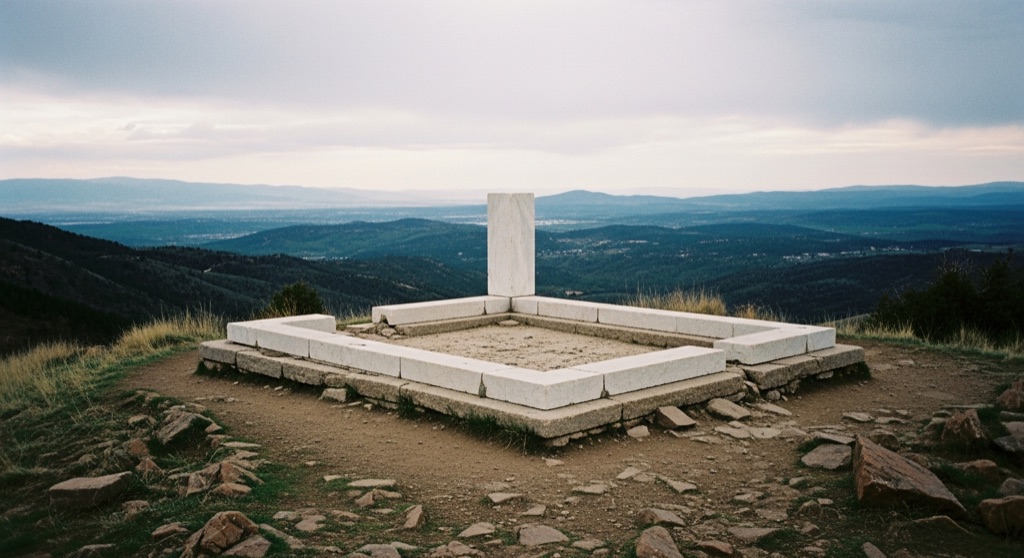 Mount Falcon 'Summer White House' RuinsOpen to visit
At the end of Walker's Dream Trail sits a marble cornerstone and foundation — all that remains of John Brisben Walker's quixotic plan to build a 22-room presidential castle on a Colorado mountaintop, a project he tried to fund by asking the nation's schoolchildren to mail in their pennies. The ruins sit at 7,851 feet in Jefferson County Open Space, surrounded by sweeping views of the foothills and the Denver basin.
Mount Falcon 'Summer White House' RuinsOpen to visit
At the end of Walker's Dream Trail sits a marble cornerstone and foundation — all that remains of John Brisben Walker's quixotic plan to build a 22-room presidential castle on a Colorado mountaintop, a project he tried to fund by asking the nation's schoolchildren to mail in their pennies. The ruins sit at 7,851 feet in Jefferson County Open Space, surrounded by sweeping views of the foothills and the Denver basin.
-
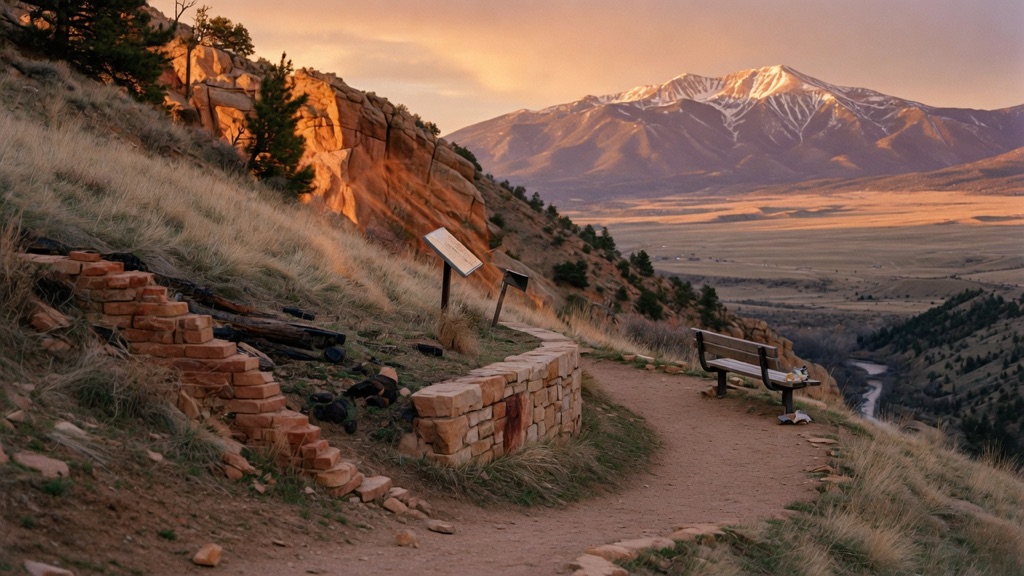 Rattlesnake Gulch TrailOpen to visit
Eldorado Canyon is famous for its sandstone walls and the climbers dangling off them — so almost everyone clusters at the bottom and looks up. Cross the creek and start climbing instead, and within a mile you reach a quiet hillside scattered with brick footings and a stone retaining wall: all that's left of the Crags Hotel, a luxury resort reached by inclined railway that opened in 1908 and burned in 1912. Switchback higher and the trail delivers a Continental Divide overlook where the eastern plains spill out one way and snow-streaked peaks rise the other. Ruins, railroad-grade history, and a big-sky payoff, on a loop most canyon visitors never bother to find.
Rattlesnake Gulch TrailOpen to visit
Eldorado Canyon is famous for its sandstone walls and the climbers dangling off them — so almost everyone clusters at the bottom and looks up. Cross the creek and start climbing instead, and within a mile you reach a quiet hillside scattered with brick footings and a stone retaining wall: all that's left of the Crags Hotel, a luxury resort reached by inclined railway that opened in 1908 and burned in 1912. Switchback higher and the trail delivers a Continental Divide overlook where the eastern plains spill out one way and snow-streaked peaks rise the other. Ruins, railroad-grade history, and a big-sky payoff, on a loop most canyon visitors never bother to find.
-
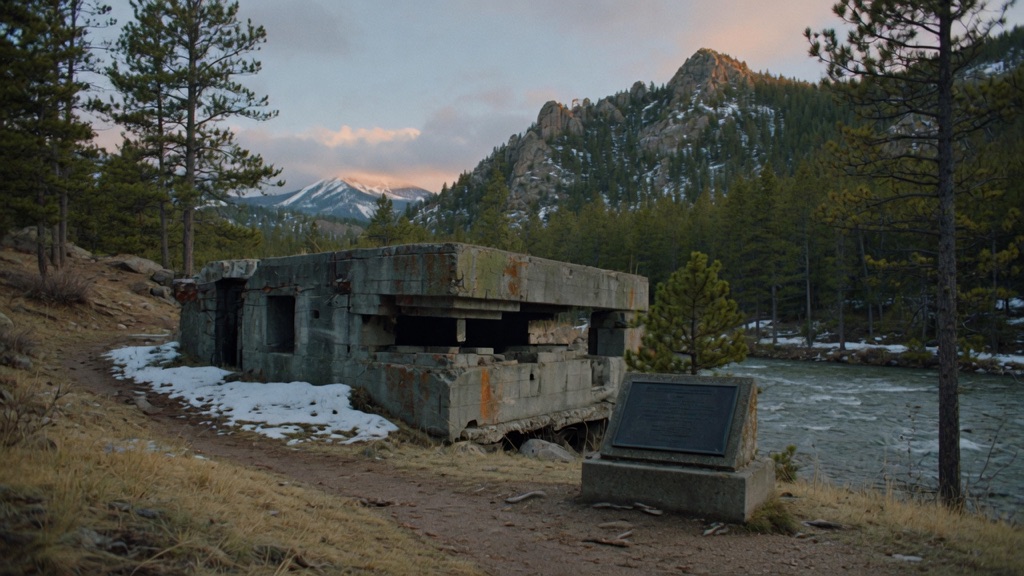 Camp Hale–Continental Divide National MonumentOpen to visit
Those concrete bunker ruins along the Eagle River aren't just 10th Mountain Division leftovers. From 1958 to 1964 the CIA ran 'Dumra' — the garden — here, secretly training some 300 Tibetan guerrillas for the Dalai Lama's resistance while a planted Denver Post story about atomic testing kept Leadville locals away. A plaque finally admitted it in 2010, but nobody knew exactly where Dumra stood until 2024, when a CU anthropologist matched 1963 photos to ridgelines on snowshoes and the last surviving CIA trainer confirmed it.
Camp Hale–Continental Divide National MonumentOpen to visit
Those concrete bunker ruins along the Eagle River aren't just 10th Mountain Division leftovers. From 1958 to 1964 the CIA ran 'Dumra' — the garden — here, secretly training some 300 Tibetan guerrillas for the Dalai Lama's resistance while a planted Denver Post story about atomic testing kept Leadville locals away. A plaque finally admitted it in 2010, but nobody knew exactly where Dumra stood until 2024, when a CU anthropologist matched 1963 photos to ridgelines on snowshoes and the last surviving CIA trainer confirmed it.
-
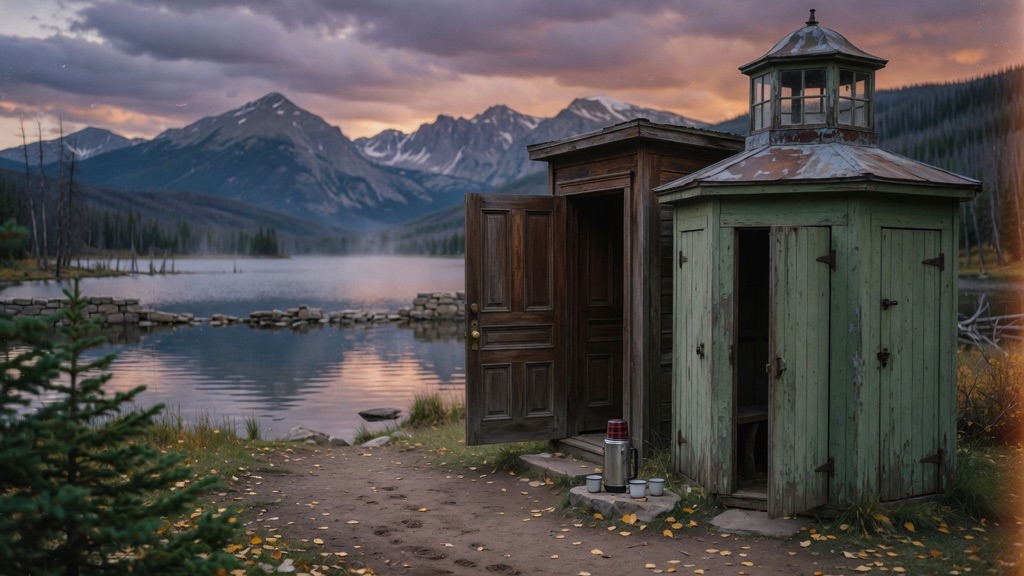 Interlaken Resort Ruins & Dexter CabinOpen to visit
In 1883 a Leadville mining millionaire named James Dexter bought a luxury resort on the south shore of Twin Lakes, and when the dam ruined the waterline, everything just stayed. Walk the flat Colorado Trail 2.2 miles and the door to his cabin is unlocked: walnut woodwork, a wood-paneled soaking tub, a glass cupola you can climb for a 360 of the Sawatch. Out back stands the resort's pride, a hexagonal outhouse with a private door for each seat.
Interlaken Resort Ruins & Dexter CabinOpen to visit
In 1883 a Leadville mining millionaire named James Dexter bought a luxury resort on the south shore of Twin Lakes, and when the dam ruined the waterline, everything just stayed. Walk the flat Colorado Trail 2.2 miles and the door to his cabin is unlocked: walnut woodwork, a wood-paneled soaking tub, a glass cupola you can climb for a 360 of the Sawatch. Out back stands the resort's pride, a hexagonal outhouse with a private door for each seat.
-
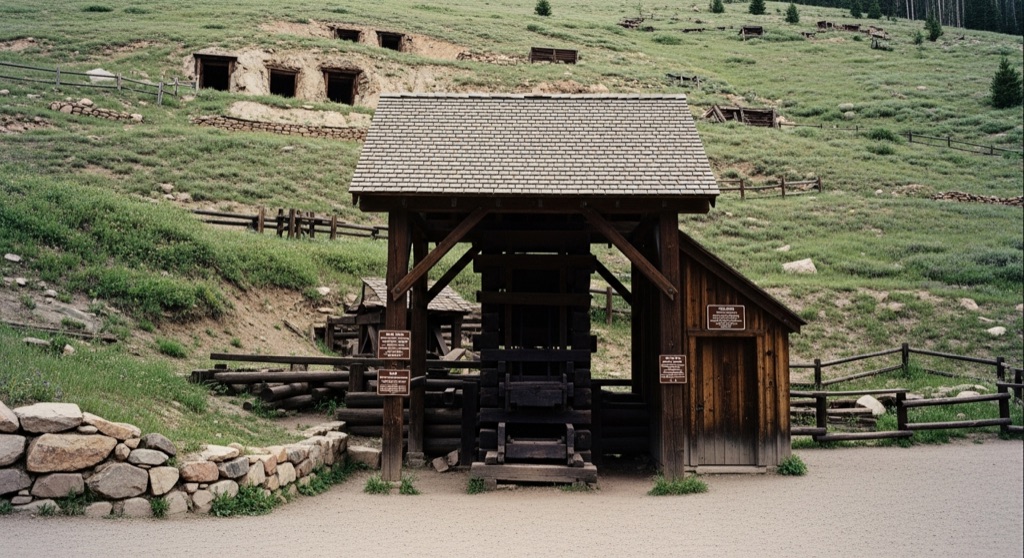 The Jessie Mine and MillView only
Dating back to the late 1880s, the Jessie Mine and Mill was once one of the largest gold, silver, and lead mining complexes in the Breckenridge area. Today, visitors can see the partially intact remains of the 1893 wooden stamp mill—the only one of its kind still standing in Summit County—along with several mine openings on the hillside above. The historic mill structure has been stabilized with a protective roof designed to match its original silhouette.
The Jessie Mine and MillView only
Dating back to the late 1880s, the Jessie Mine and Mill was once one of the largest gold, silver, and lead mining complexes in the Breckenridge area. Today, visitors can see the partially intact remains of the 1893 wooden stamp mill—the only one of its kind still standing in Summit County—along with several mine openings on the hillside above. The historic mill structure has been stabilized with a protective roof designed to match its original silhouette.
-
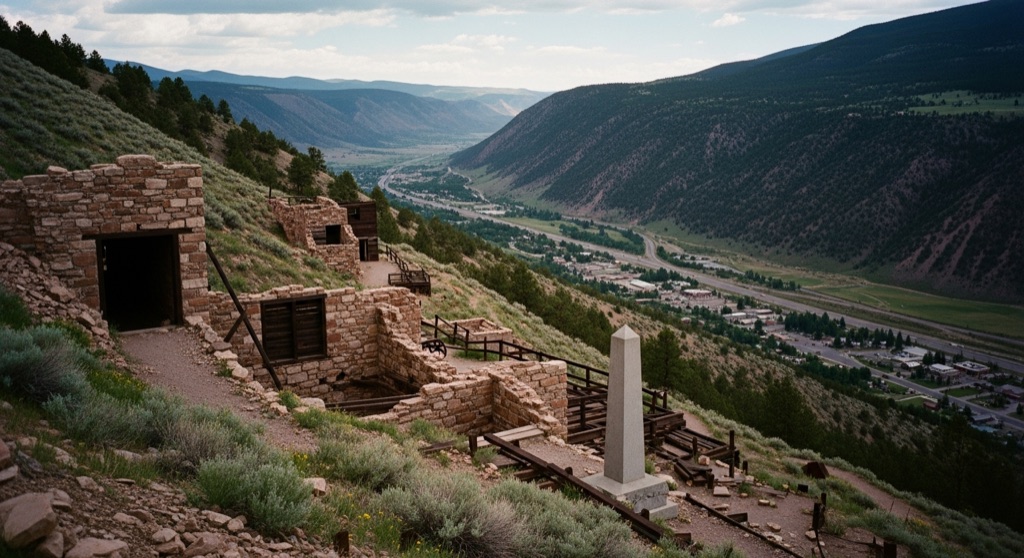 7:30 MineView only
The 7:30 Mine is an abandoned 19th-century silver mine perched on the cliffs above Silver Plume, Colorado. Named for its unusually late 7:30 AM start time, the mine was managed by Clifford Griffin, who famously serenaded the town below with his violin before tragically taking his own life here in 1887. Today, hikers can explore the steep wagon road to find old mining ruins, sealed tunnels, and the 10-foot granite Griffin Monument erected in his memory.
7:30 MineView only
The 7:30 Mine is an abandoned 19th-century silver mine perched on the cliffs above Silver Plume, Colorado. Named for its unusually late 7:30 AM start time, the mine was managed by Clifford Griffin, who famously serenaded the town below with his violin before tragically taking his own life here in 1887. Today, hikers can explore the steep wagon road to find old mining ruins, sealed tunnels, and the 10-foot granite Griffin Monument erected in his memory.
-
 Sallie Barber MineView only
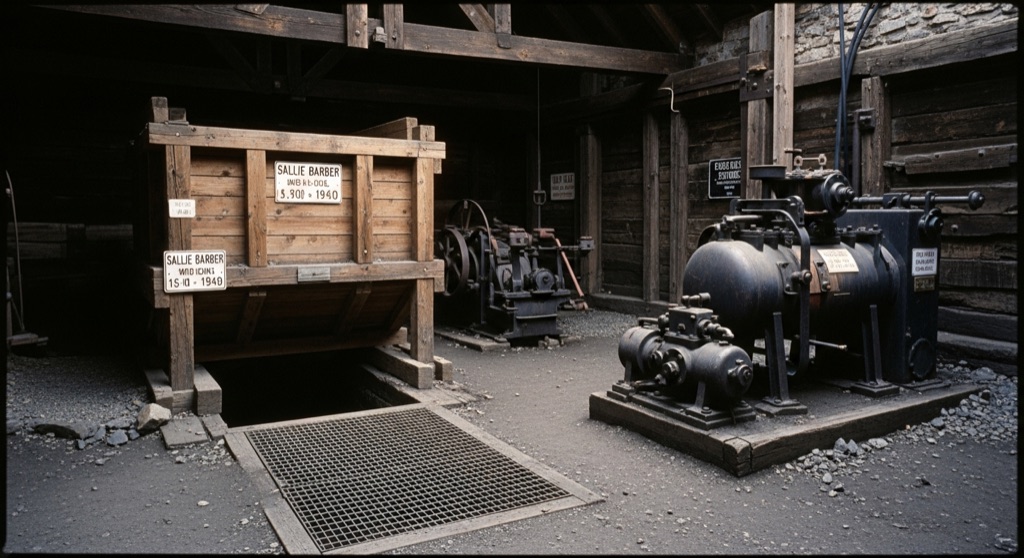
Established in the 1880s, the Sallie Barber Mine was a prominent zinc and lead producer that operated intermittently until its final closure in the 1940s. Today, the high-altitude site features a stabilized wooden ore bin, a grate-covered deep shaft, and remnants of a steam plant and air compressor. Visitors can reach the ruins via a scenic 3-mile round-trip hike or snowshoe trail from French Gulch.
Sallie Barber MineView only
Established in the 1880s, the Sallie Barber Mine was a prominent zinc and lead producer that operated intermittently until its final closure in the 1940s. Today, the high-altitude site features a stabilized wooden ore bin, a grate-covered deep shaft, and remnants of a steam plant and air compressor. Visitors can reach the ruins via a scenic 3-mile round-trip hike or snowshoe trail from French Gulch.
-
 Old Town MineView only
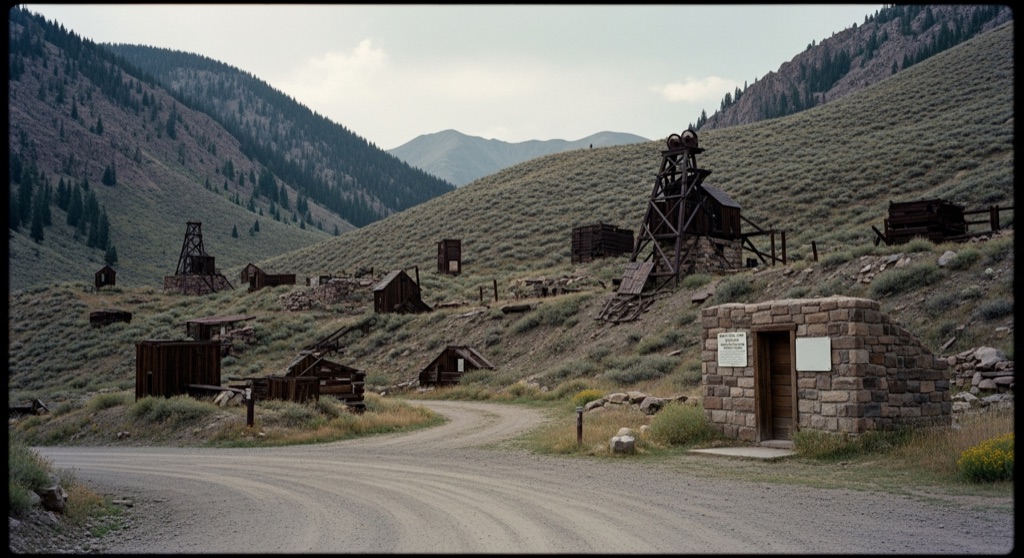
Located in the historic Russell Gulch mining district, the Old Town Mine was one of the most consistently profitable gold producers along the narrow-gauge Gilpin Tramway. Active from the late 1880s through the mid-20th century, its underground workings spanned over five miles and reached a depth of over 2,200 feet. Today, the site lies abandoned, with weathered ruins, old headframes, and tailings piles scattered across the rugged mountain landscape.
Old Town MineView only
Located in the historic Russell Gulch mining district, the Old Town Mine was one of the most consistently profitable gold producers along the narrow-gauge Gilpin Tramway. Active from the late 1880s through the mid-20th century, its underground workings spanned over five miles and reached a depth of over 2,200 feet. Today, the site lies abandoned, with weathered ruins, old headframes, and tailings piles scattered across the rugged mountain landscape.
-
 Historic Tallman HomesteadOpen to visit
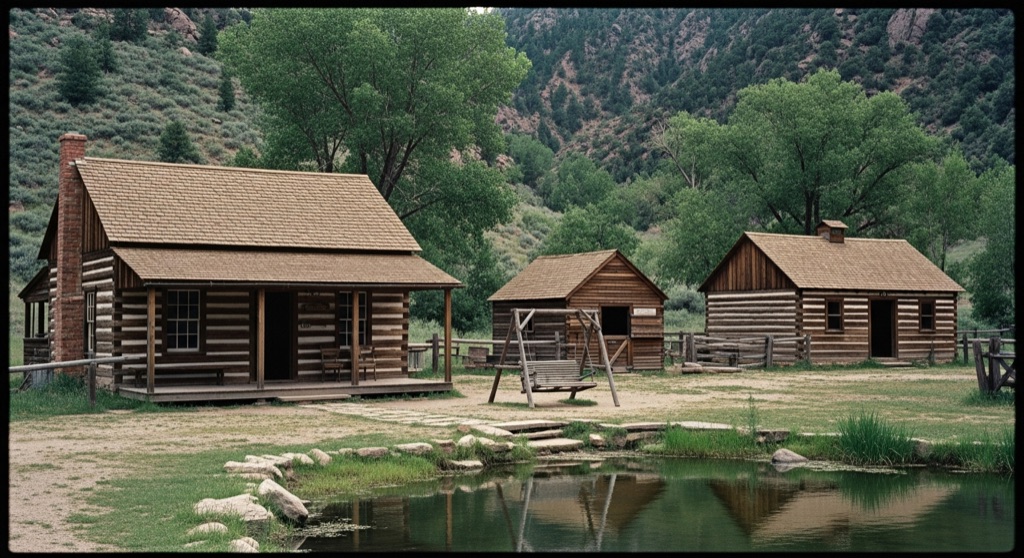
Located in the secluded 'Forgotten Valley' of Golden Gate Canyon State Park, this historic homestead was established in the late 1870s by Swedish immigrant Anders Tallman. Four generations of the Tallman family lived on the remote ranch, which now features a preserved ranch house, chicken house, and stables. Today, hikers can explore the peaceful, abandoned structures and sit on the front porch overlooking a scenic, spring-fed trout pond.
Historic Tallman HomesteadOpen to visit
Located in the secluded 'Forgotten Valley' of Golden Gate Canyon State Park, this historic homestead was established in the late 1870s by Swedish immigrant Anders Tallman. Four generations of the Tallman family lived on the remote ranch, which now features a preserved ranch house, chicken house, and stables. Today, hikers can explore the peaceful, abandoned structures and sit on the front porch overlooking a scenic, spring-fed trout pond.
-
 The Birch RuinsOpen to visit
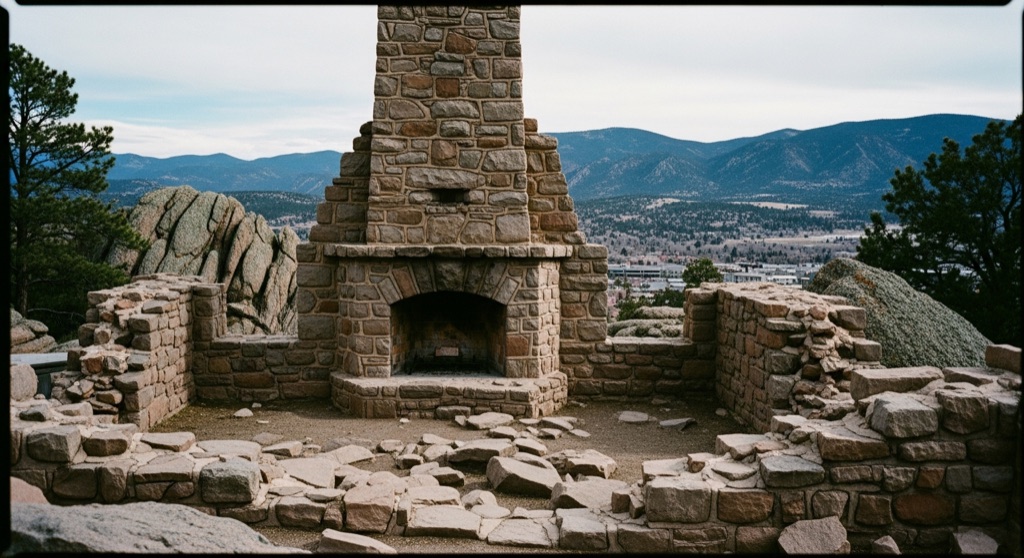
Perched on a rocky outcropping in the Knoll-Willows Open Space, these stone ruins are all that remain of a bungalow built for Denver Post editor Albert Birch in 1904. The home, originally named 'Jacob's Ladder' due to its steep climb, was destroyed by a devastating fire on a freezing night in December 1907. Today, only the rugged stone walls and a massive fireplace remain, offering a haunting look at early 20th-century mountain living alongside panoramic views of Estes Park.
The Birch RuinsOpen to visit
Perched on a rocky outcropping in the Knoll-Willows Open Space, these stone ruins are all that remain of a bungalow built for Denver Post editor Albert Birch in 1904. The home, originally named 'Jacob's Ladder' due to its steep climb, was destroyed by a devastating fire on a freezing night in December 1907. Today, only the rugged stone walls and a massive fireplace remain, offering a haunting look at early 20th-century mountain living alongside panoramic views of Estes Park.
Abandoned places in Denver — FAQ
Is it legal to visit abandoned places around Denver?
It depends on the site, and each listing here says explicitly — with the reason. Of the 16 with a verified access status: 11 are legal to enter (like Historic Elitch Theatre and Riverside Cemetery), 5 are view-only from public land or roadside, and 0 are private property or genuinely unsafe — those are marked "do not enter" rather than romanticised.
Which abandoned & forgotten places in Denver are the strangest?
Ranked by how strange they actually are: Cassady's — Neal Cassady's Barbershop Site, 2558 Champa St., Riverside Cemetery and Castlewood Canyon Lucas Homestead Ruins. Cassady's — Neal Cassady's Barbershop Site, 2558 Champa St. — A 400-square-foot shack wedged between two houses on Champa was once a two-chair barbershop where a young Neal Cassady — the speed-talking muse of On the Road — slept on a dirt floor in a back addition.
Where in Denver are they?
Across Curtis Park, Highland / West Highland (38th & Tennyson), Swansea / Brighton Boulevard corridor, Denver, Franktown (Douglas County) and Franktown and 11 more. Each listing gives the neighborhood and address so you can cluster a couple into one outing.
Are any of the abandoned & forgotten places in Denver free?
Yes — 12 are free to visit, including Riverside Cemetery, Castlewood Canyon Dam Ruins and Mount Falcon 'Summer White House' Ruins. The rest are mostly low-cost.
Is this a good weird date in Denver?
That's what the list is built for. Every entry has a specific move rather than a vague recommendation — at Cassady's — Neal Cassady's Barbershop Site, 2558 Champa St., for instance: Do a short Beat-history walk down Champa — the barbershop site plus the Land Library and Cassady's boyhood home are all within a couple blocks — and if Cassady's is open, split a gelato and a copy of 'The First Third' on the patio built where the dirt-floor room once stood.
How were these abandoned & forgotten places chosen?
An agentic research system digs for the genuinely obscure — the spots even locals miss — and every one is verified against real sources before it makes the list. We deliberately skip the landmarks already on every Denver guide.