Entry No. 47 — the London, UK file — filed under: miscellanea
Antique Breadboard Museum
An independent micro-museum devoted to a small collection of antique breadboards.
→ Three more unusual museums & collections in London, UK — never the same twice
The story
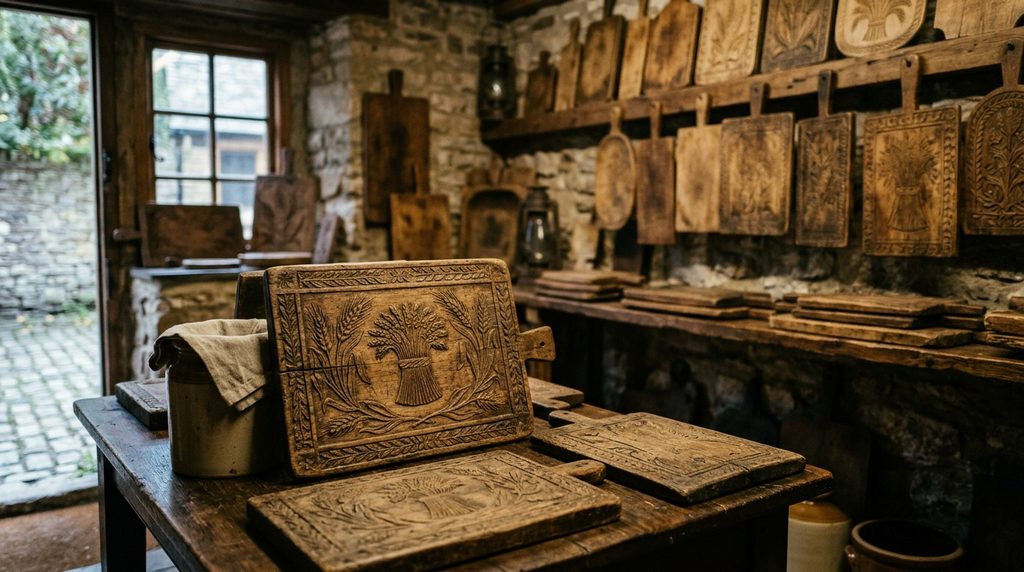
In the 1980s, an antiques dealer named Rosslyn Neave spotted a carved wooden board in a shop priced at five pounds. She balked at the price, regretted walking away for an entire week, and returned to talk the seller down to three. That single purchase sparked a four-decade obsession that eventually filled her Putney cottage with hundreds of antique sycamore boards, trencher plates, and specialized bread knives. When Rosslyn developed dementia in her later years, her daughter Madeleine converted the front parlor into a dedicated memory room to keep her connected to the objects she spent a lifetime tracking down. Following Rosslyn's death in 2017, Madeleine inherited twenty archive boxes of handwritten research and decided to leave the collection where it sat, opening the house to strangers.
The breadboard itself is an artifact of Victorian class anxiety. Before the 1840s, British households sliced loaves on nondescript chopping blocks. But when the protectionist Corn Laws inflated wheat prices, bread became a dining-table status symbol for the affluent, demanding ornate display platters. Turners crafted them from single, unjoined slabs of sycamore—a timber chosen because its tight grain won't bleed bitter sap flavor into the crust—while carvers chiseled moral imperatives into the borders, ranging from 'Waste Not Want Not' to gothic scripture and wheat sheaves. While Madeleine has begun auctioning off portions of the larger estate through regional auction houses, the core collection remains packed into the cottage parlor.
What it's like
Do not show up expecting a ticket desk or a gift shop; you are visiting someone's private home on a conservation street in Putney, and the house number is revealed only after your booking is vetted and paid for. Tours are restricted to tiny parties of no more than five people and run around two hours. The first hour is an interactive handling session where Madeleine pulls historic boards off parlor shelves, invites you to feel knife scars and sycamore grain, and breaks down the Victorian carving trade. The second hour shifts around the dining table for an intimate, homemade cream tea served on vintage tableware. If you need the bathroom, you will be pointed toward a restored, functioning Victorian outdoor privy in the garden.
The move: Book a tour of Madeleine’s Putney parlour and take turns holding the antique sycamore breadboards she brings out, picking the carving you’d most like to leave under your breakfast crumbs.
- 📍 Putney
- 💸 $
- ⚡ Up for anything
- 🌗 Indoors
Where: Lifford Street, Putney, London (exact number not publicly listed; Victorian terraced cottage in Charlwood Road & Lifford Street conservation area)
Hours: Added 2026-11-18 — confirm current hours before you go.
Pair it with
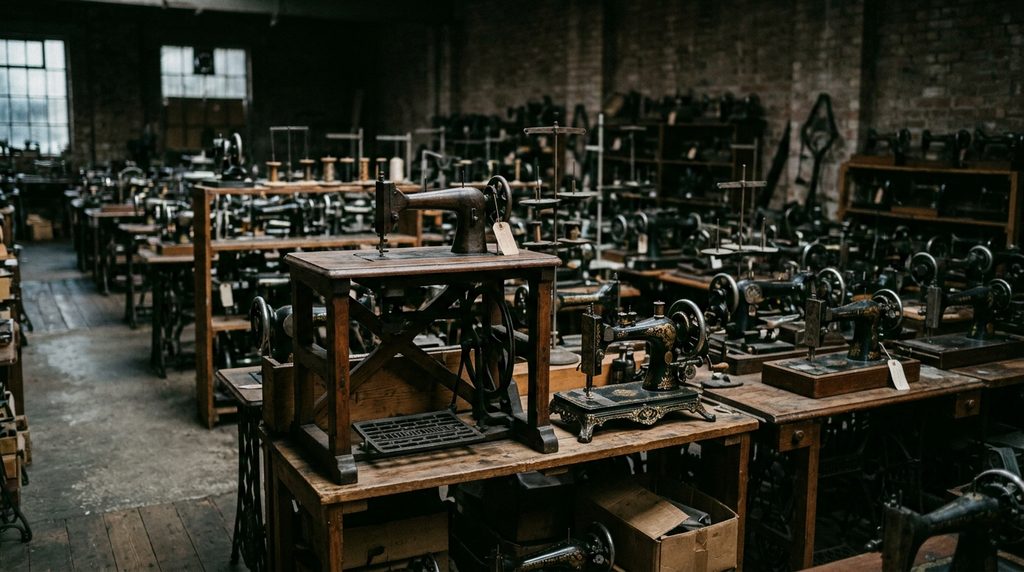
- Sewing Machine Museum — Follow one fiercely specific South London tribute to Victorian domestic craft with another dedicated to ornate cast-iron machinery.
- The Cosmic House — Contrast the modest, folk-carved sycamore of a Putney cottage parlor with Charles Jencks's radically complex temple of Postmodern domestic architecture.
- Evans & Peel Detective Agency — Head north across Putney Bridge into Earl's Court to trade the quiet domesticity of a stranger's tea table for an undercover cocktail behind a faux detective office.
More weird in London, UK
Good to know
How do you book a visit?
Visits are strictly by appointment, typically scheduled during July and August. You book via the museum's website, pay by bank transfer in advance, and receive the precise residential street address once confirmed.
How much does it cost?
Tours operate on a flat minimum group rate of £200 (which covers one to four people at £50 per person, with a hard maximum of five guests). The fee includes the two-hour guided session and a homemade cream tea.
Are you allowed to touch the collection?
Yes. The museum operates on handling rather than display vitrines; visitors are actively encouraged to pick up the boards, trace the carved motifs, and eat tea directly off antique tableware.
Where is the museum located?
It sits in a residential Victorian terraced cottage within the Charlwood Road and Lifford Street conservation area in Putney, a short walk from Putney railway station.
Plan a visit & invite your people →
Further reading: Official site · londonlifewithliz.com · Wikipedia · Time Out
last checked: 2026-11-18