Abandoned places in Philadelphia
8 abandoned and forgotten places around Philadelphia, Staley Mine, Barker's Mill (aka Nippes Armory) and Friendship Historic Ruins among them — and for each one, whether you can legally visit. Ruins, ghost towns and shuttered industry, with the ones that are trespassing or genuinely unsafe marked as such rather than romanticised. They spread across Oxford, Gladwyne, Vincentown, Elkton and 3 more areas, so two or three can make a whole afternoon. 8 of them cost nothing. Every entry is hand-vetted against real sources — not scraped off a top-ten list or averaged out of crowd ratings.
Every abandoned place we've verified, nationwide — with its legal-access status →
-
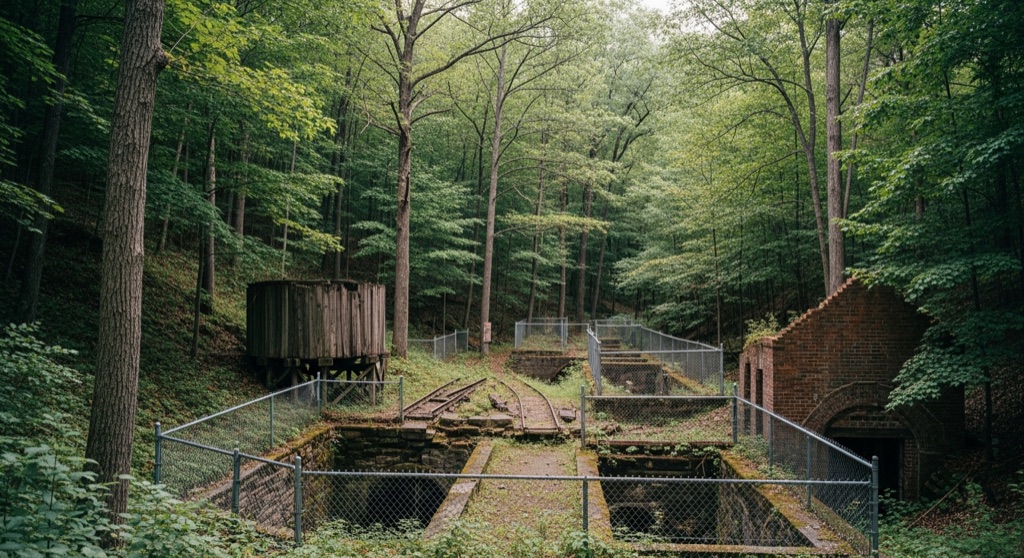 Staley MineView only
Discovered and opened in 1832, the Staley Mine was one of the earliest iron ore sources supplying the historic Oxford Furnace. Though abandoned before 1868, its legacy remains preserved within the forested West Oxford Mountain Natural Resource Area. Today, hikers can spot relics of the mining era, including an old railroad bed, a wooden cistern, a brick structure, and fenced-off mine shafts.
Staley MineView only
Discovered and opened in 1832, the Staley Mine was one of the earliest iron ore sources supplying the historic Oxford Furnace. Though abandoned before 1868, its legacy remains preserved within the forested West Oxford Mountain Natural Resource Area. Today, hikers can spot relics of the mining era, including an old railroad bed, a wooden cistern, a brick structure, and fenced-off mine shafts.
-
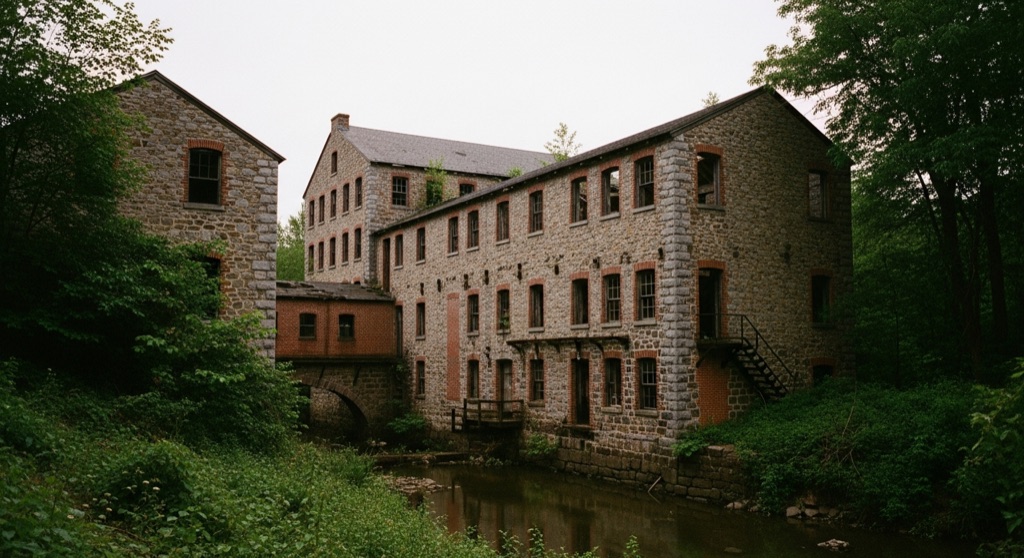 Barker's Mill (aka Nippes Armory)View only
Constructed in the early 19th century by David Nippes, this historic stone mill originally manufactured firearms for the War of 1812 before transitioning to woolen production under the Barker family. After a late-20th-century stint as a recording studio for the R&B group Boyz II Men, the complex was abandoned in the mid-2000s. Today, the multi-story stone and brick structures stand vacant and decaying along the banks of Mill Creek, surrounded by overgrown vegetation.
Barker's Mill (aka Nippes Armory)View only
Constructed in the early 19th century by David Nippes, this historic stone mill originally manufactured firearms for the War of 1812 before transitioning to woolen production under the Barker family. After a late-20th-century stint as a recording studio for the R&B group Boyz II Men, the complex was abandoned in the mid-2000s. Today, the multi-story stone and brick structures stand vacant and decaying along the banks of Mill Creek, surrounded by overgrown vegetation.
-
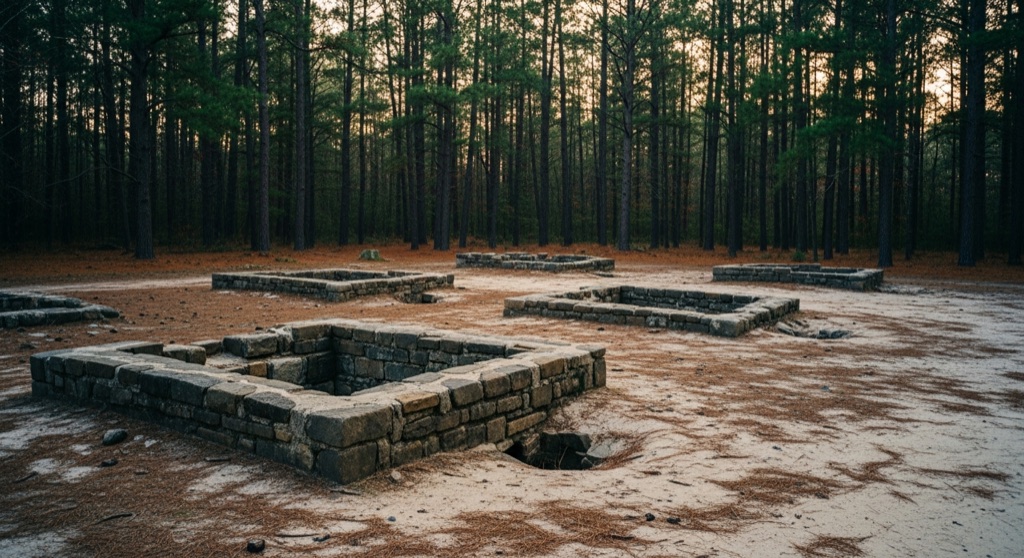 Friendship Historic RuinsOpen to visit
Deep in the Wharton State Forest of the New Jersey Pine Barrens lie the quiet remains of Friendship, a ghost town founded in 1869 at the center of a massive 3,000-acre cranberry farming operation. Once a bustling agricultural community, the village was eventually abandoned as the industry declined. Today, only crumbling stone foundations, cellar holes, and overgrown clearings remain, slowly being reclaimed by the surrounding pitch pines.
Friendship Historic RuinsOpen to visit
Deep in the Wharton State Forest of the New Jersey Pine Barrens lie the quiet remains of Friendship, a ghost town founded in 1869 at the center of a massive 3,000-acre cranberry farming operation. Once a bustling agricultural community, the village was eventually abandoned as the industry declined. Today, only crumbling stone foundations, cellar holes, and overgrown clearings remain, slowly being reclaimed by the surrounding pitch pines.
-
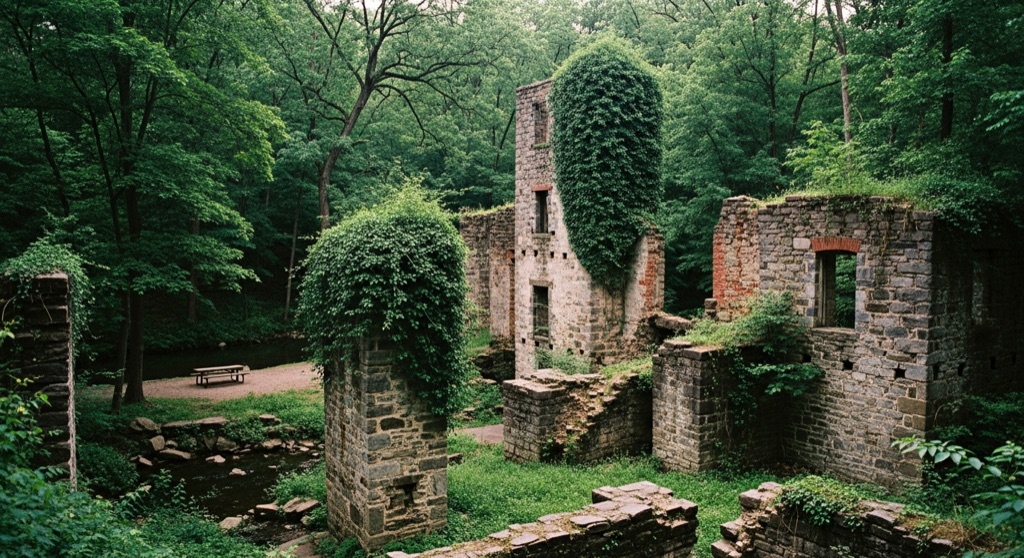 Rolling Hill Park RuinsOpen to visit
Tucked away in the woodlands of Rolling Hill Park are the crumbling stone skeletons of 19th-century mill worker tenements and industrial structures. These ruins, including the three-story Toddtown Tenement built around 1849, once housed the workforce for nearby cotton and paper mills along Mill Creek. Today, hikers can explore the roofless, vine-covered stone walls and historic foundations that stand as a testament to the area's early industrial history.
Rolling Hill Park RuinsOpen to visit
Tucked away in the woodlands of Rolling Hill Park are the crumbling stone skeletons of 19th-century mill worker tenements and industrial structures. These ruins, including the three-story Toddtown Tenement built around 1849, once housed the workforce for nearby cotton and paper mills along Mill Creek. Today, hikers can explore the roofless, vine-covered stone walls and historic foundations that stand as a testament to the area's early industrial history.
-
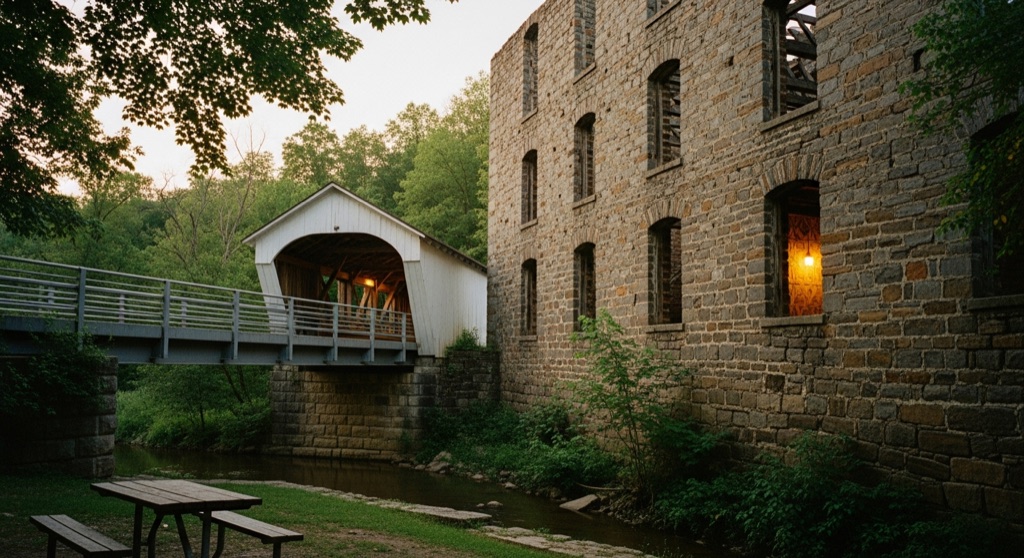 Scott's Mill Bridge ruinsOpen to visit
Located within the Fair Hill Natural Resources Management Area, this site preserves the remnants of a bustling 19th-century industrial hub along Big Elk Creek. The primary feature is the roofless, three-story stone shell of Scott's Grist Mill, which once ground flour and feed. Directly adjacent, the modern pedestrian bridge still rests on the original 1855 stone abutments of the historic covered bridge that washed away in 1946.
Scott's Mill Bridge ruinsOpen to visit
Located within the Fair Hill Natural Resources Management Area, this site preserves the remnants of a bustling 19th-century industrial hub along Big Elk Creek. The primary feature is the roofless, three-story stone shell of Scott's Grist Mill, which once ground flour and feed. Directly adjacent, the modern pedestrian bridge still rests on the original 1855 stone abutments of the historic covered bridge that washed away in 1946.
-
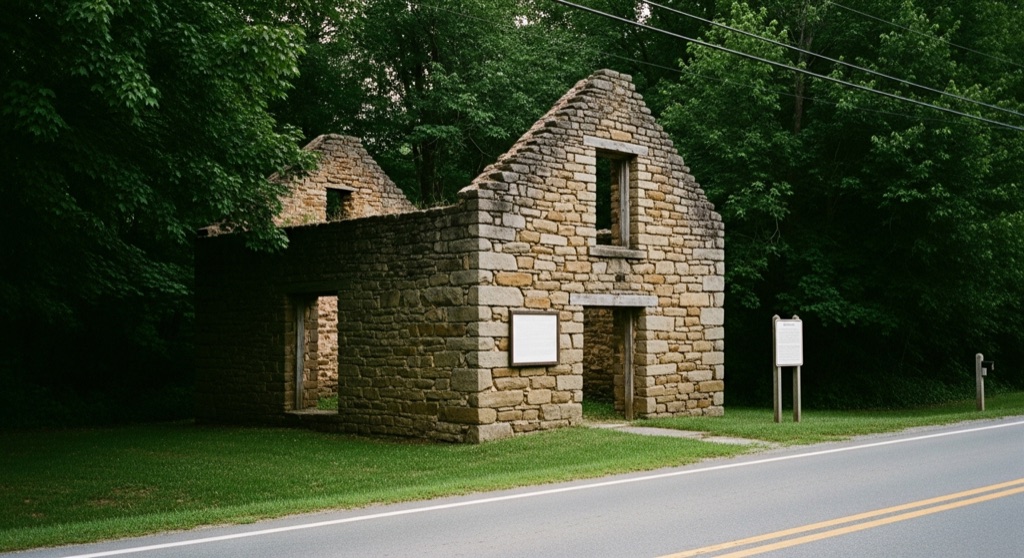 Ruins of Lincoln Blacksmith ShopView only
Dating back to the early 1700s, this sandstone ruin was once a blacksmith shop and iron forge operated by Abraham and Mordecai Lincoln, ancestors of President Abraham Lincoln. The one-story stone structure is a rare surviving example of 18th-century stone vernacular architecture in Monmouth County. Today, its roofless, weathered stone walls still stand near the roadside, offering a quiet glimpse into the area's colonial industrial past.
Ruins of Lincoln Blacksmith ShopView only
Dating back to the early 1700s, this sandstone ruin was once a blacksmith shop and iron forge operated by Abraham and Mordecai Lincoln, ancestors of President Abraham Lincoln. The one-story stone structure is a rare surviving example of 18th-century stone vernacular architecture in Monmouth County. Today, its roofless, weathered stone walls still stand near the roadside, offering a quiet glimpse into the area's colonial industrial past.
-
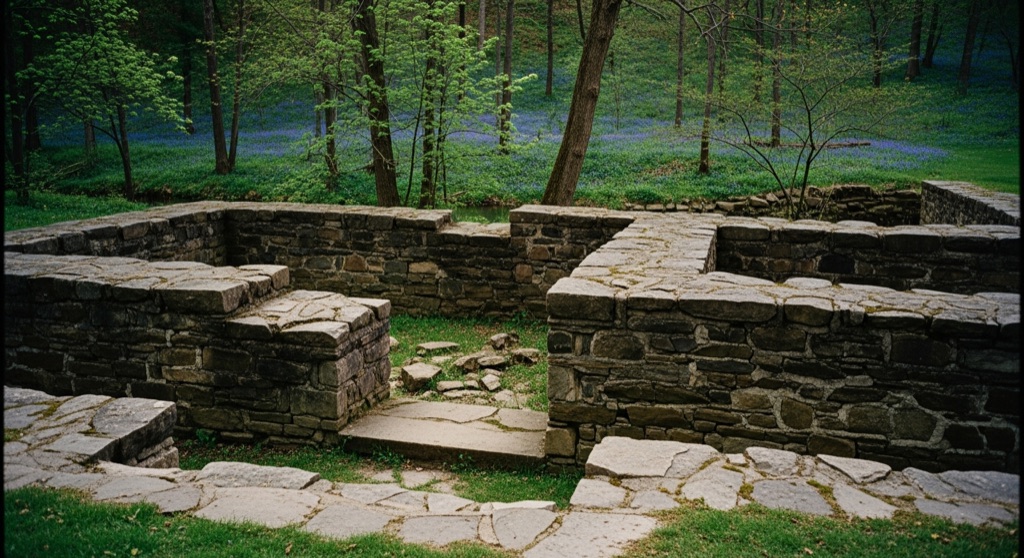 Burnt Mills Grist Mill RuinsOpen to visit
Located within the Burnt Mills Floodplain Preserve, these stone foundations are the remains of a post-Civil War grist mill. Purchased by the Schley family in 1928, the mill was dismantled, leaving behind its historic stone ruins along the Lamington River. Today, the site is surrounded by a scenic 11-acre riparian sanctuary famous for its vibrant spring displays of Virginia bluebells.
Burnt Mills Grist Mill RuinsOpen to visit
Located within the Burnt Mills Floodplain Preserve, these stone foundations are the remains of a post-Civil War grist mill. Purchased by the Schley family in 1928, the mill was dismantled, leaving behind its historic stone ruins along the Lamington River. Today, the site is surrounded by a scenic 11-acre riparian sanctuary famous for its vibrant spring displays of Virginia bluebells.
-
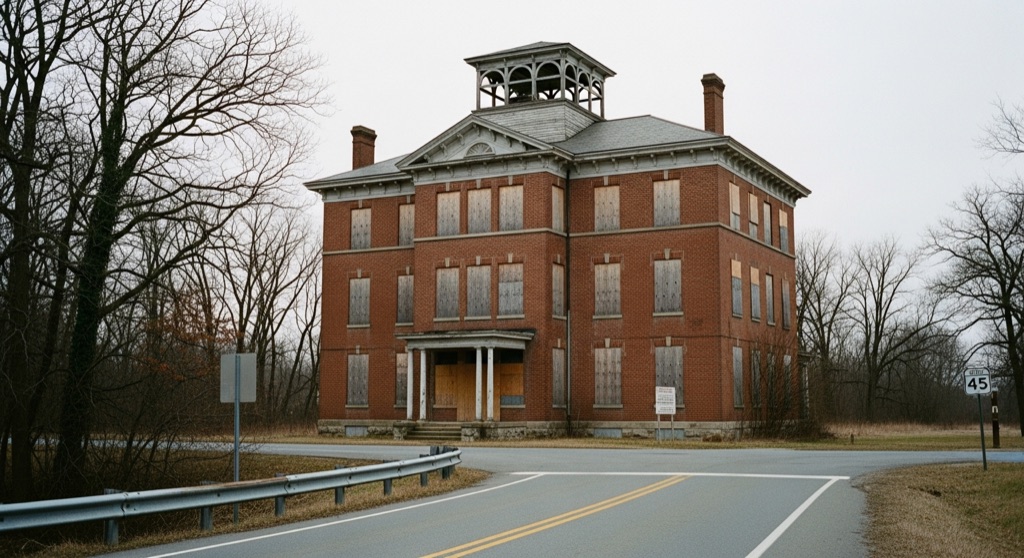 Salem County Insane AsylumView only
Constructed in 1870, the Salem County Insane Asylum is the only surviving first-generation county asylum in New Jersey. The three-story Italianate brick structure was built to relieve overcrowding in state facilities but has been vacant and decaying since county offices relocated in 1995. Today, the boarded-up building stands as a haunting roadside relic, complete with its original wooden rooftop belvedere.
Salem County Insane AsylumView only
Constructed in 1870, the Salem County Insane Asylum is the only surviving first-generation county asylum in New Jersey. The three-story Italianate brick structure was built to relieve overcrowding in state facilities but has been vacant and decaying since county offices relocated in 1995. Today, the boarded-up building stands as a haunting roadside relic, complete with its original wooden rooftop belvedere.
Abandoned places in Philadelphia — FAQ
Is it legal to visit abandoned places around Philadelphia?
It depends on the site, and each listing here says explicitly — with the reason. Of the 8 with a verified access status: 4 are legal to enter (like Friendship Historic Ruins and Rolling Hill Park Ruins), 4 are view-only from public land or roadside, and 0 are private property or genuinely unsafe — those are marked "do not enter" rather than romanticised.
Which abandoned & forgotten places in Philadelphia are the strangest?
Ranked by how strange they actually are: Staley Mine, Barker's Mill (aka Nippes Armory) and Friendship Historic Ruins. Staley Mine — Discovered and opened in 1832, the Staley Mine was one of the earliest iron ore sources supplying the historic Oxford Furnace.
Where in Philadelphia are they?
Across Oxford, Gladwyne, Vincentown, Elkton and Cream Ridge and 2 more. Each listing gives the neighborhood and address so you can cluster a couple into one outing.
Are any of the abandoned & forgotten places in Philadelphia free?
Yes — 8 are free to visit, including Staley Mine, Barker's Mill (aka Nippes Armory) and Friendship Historic Ruins. The rest are mostly low-cost.
Is this a good weird date in Philadelphia?
That's what the list is built for. Every entry has a specific move rather than a vague recommendation — at Staley Mine, for instance: Hike the scenic trails of the West Oxford Mountain Natural Resource Area to search for historic mining ruins, then enjoy a quiet picnic surrounded by the peaceful, reforested landscape.
How were these abandoned & forgotten places chosen?
An agentic research system digs for the genuinely obscure — the spots even locals miss — and every one is verified against real sources before it makes the list. We deliberately skip the landmarks already on every Philadelphia guide.