After dark & night sky things to do in Seattle
After-dark and night-sky things to do in Seattle: 5 of them, from Theodor Jacobsen Observatory, Agua Verde Full Moon Paddle and CID Night Market. Late-opening oddities, dark-sky spots and places that only make sense once the sun is down. They spread across University District, Seattle, Portage Bay / Montlake, Seattle, Chinatown-International District, Seattle, Port Gamble, WA and 1 more area, so two or three can make a whole afternoon. Every entry is hand-vetted against real sources — not scraped off a top-ten list or averaged out of crowd ratings.
-
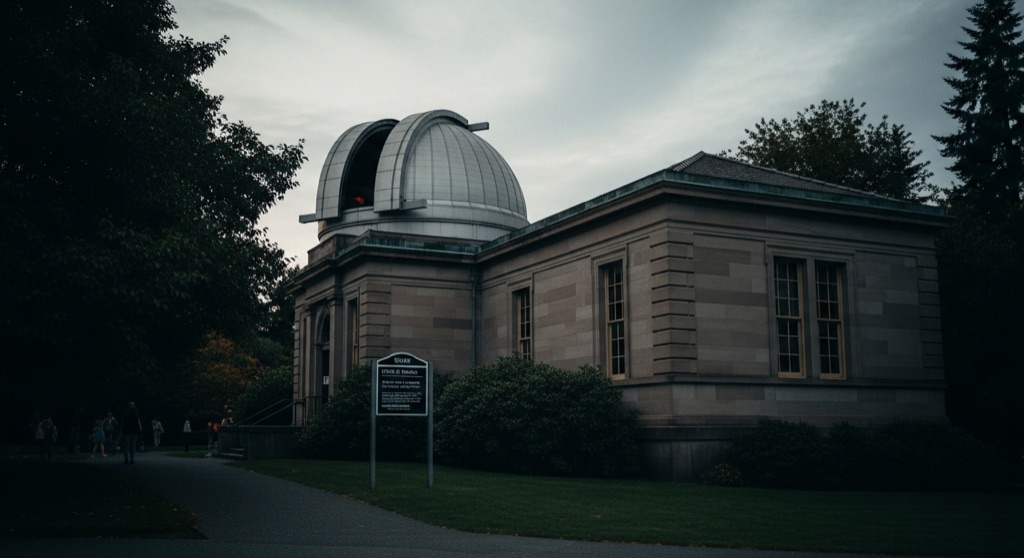 Theodor Jacobsen Observatory
Tucked about 100 yards inside UW's north campus entrance, this 1895 sandstone observatory is the second-oldest building on campus and still opens its dome to the public on first and third Tuesday evenings, April through September. The star is its original Brashear 6-inch refractor, older than the building itself, that volunteer student astronomers swing onto planets, the moon, and double stars when the famously stubborn Seattle clouds cooperate. Each free open house pairs an evening talk with hands-on telescope time and small-group tours up into the dome (capped at 12 at a time).
Theodor Jacobsen Observatory
Tucked about 100 yards inside UW's north campus entrance, this 1895 sandstone observatory is the second-oldest building on campus and still opens its dome to the public on first and third Tuesday evenings, April through September. The star is its original Brashear 6-inch refractor, older than the building itself, that volunteer student astronomers swing onto planets, the moon, and double stars when the famously stubborn Seattle clouds cooperate. Each free open house pairs an evening talk with hands-on telescope time and small-group tours up into the dome (capped at 12 at a time).
-
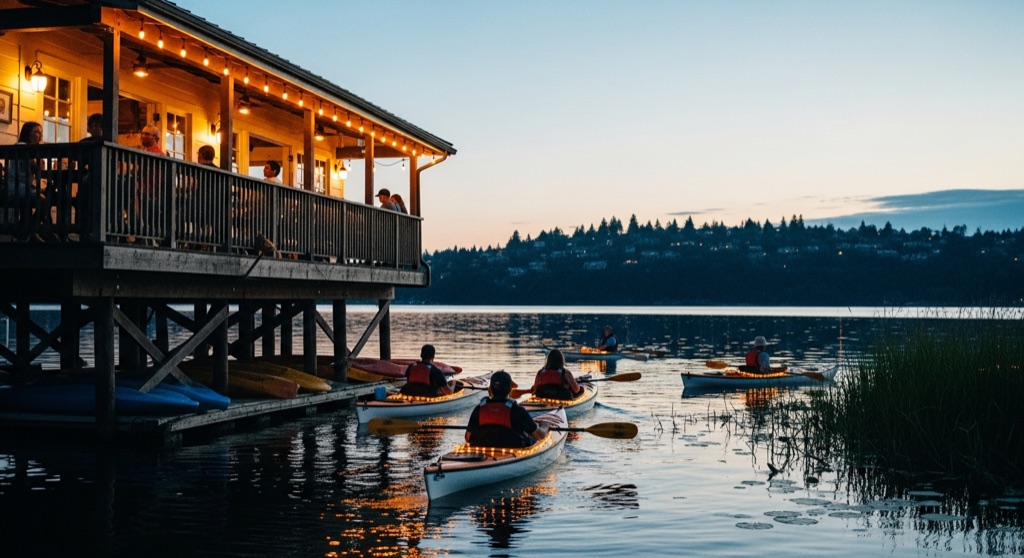 Agua Verde Full Moon Paddle
Agua Verde is a taqueria-on-stilts over Portage Bay with a kayak club bolted underneath, and on summer nights they string lights along the hulls and push off into the dark Washington Park Arboretum. Guides lead two-hour paddles through the lily-pad channels as the city quiets, with real odds of bumping into beavers and bats working the shoreline. It's a rare in-city way to be on the water after sunset without a long drive to the coast.
Agua Verde Full Moon Paddle
Agua Verde is a taqueria-on-stilts over Portage Bay with a kayak club bolted underneath, and on summer nights they string lights along the hulls and push off into the dark Washington Park Arboretum. Guides lead two-hour paddles through the lily-pad channels as the city quiets, with real odds of bumping into beavers and bats working the shoreline. It's a rare in-city way to be on the water after sunset without a long drive to the coast.
-
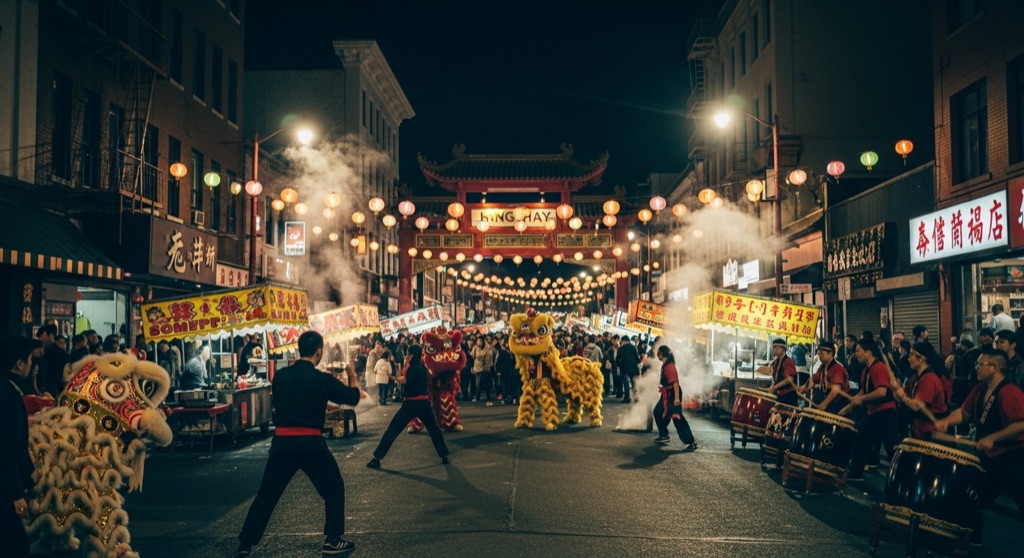 CID Night Market
Once a year the streets of the Chinatown-International District close to cars and Hing Hay Park turns into an open-air after-dark festival of food stalls, makers, and stage acts. Lion dancers, taiko drummers, and martial-arts demos work the crowd under the park's red arch while steam rises off skewers and dumpling carts beneath strings of lanterns. It's free, packed, and unmistakably a neighborhood throwing its own party rather than a tourist setup.
CID Night Market
Once a year the streets of the Chinatown-International District close to cars and Hing Hay Park turns into an open-air after-dark festival of food stalls, makers, and stage acts. Lion dancers, taiko drummers, and martial-arts demos work the crowd under the park's red arch while steam rises off skewers and dumpling carts beneath strings of lanterns. It's free, packed, and unmistakably a neighborhood throwing its own party rather than a tourist setup.
-
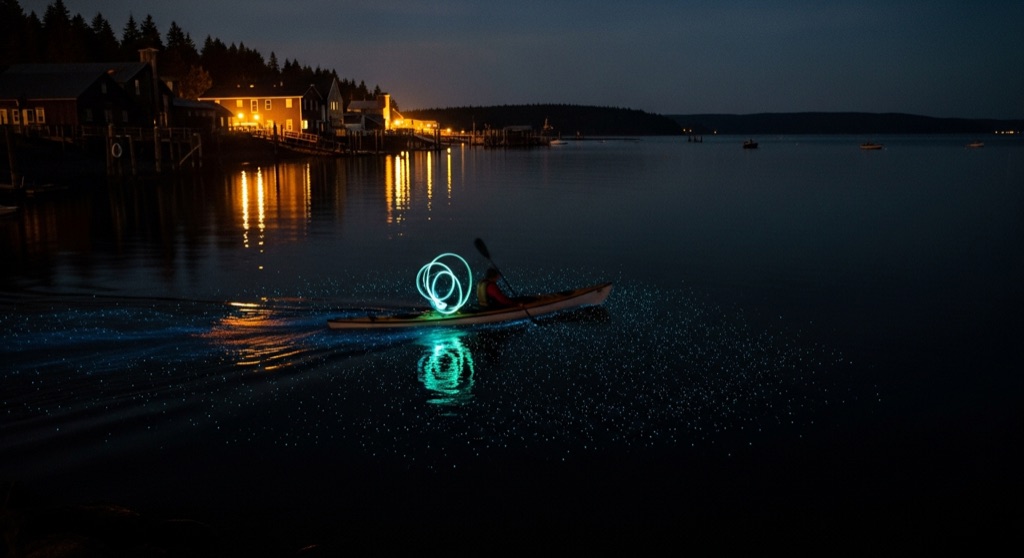 Bioluminescence Night Kayak Tour (Port Gamble)
On dark summer nights in Port Gamble Bay, every paddle stroke can ignite a swirl of blue-green light as you stir up bioluminescent dinoflagellates in this calm, protected branch of Puget Sound. Naturalist guides launch these roughly two-hour trips after full dark from the historic mill town's shoreline, meeting around 9:30 PM and gliding along nearly two miles of low-light coastline where the water lights up with shimmering sparks beneath your hull.
Bioluminescence Night Kayak Tour (Port Gamble)
On dark summer nights in Port Gamble Bay, every paddle stroke can ignite a swirl of blue-green light as you stir up bioluminescent dinoflagellates in this calm, protected branch of Puget Sound. Naturalist guides launch these roughly two-hour trips after full dark from the historic mill town's shoreline, meeting around 9:30 PM and gliding along nearly two miles of low-light coastline where the water lights up with shimmering sparks beneath your hull.
-
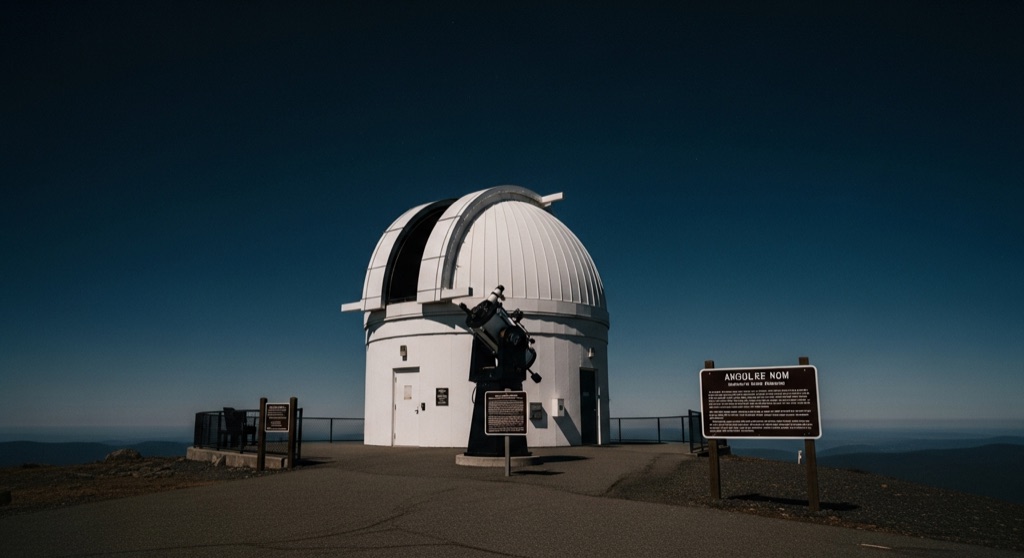 Goldendale Observatory State Park
On a 2,100-foot hilltop north of Goldendale sits one of the largest public telescopes in the country, a 24.5-inch Newtonian reflector, inside a state park built around genuinely dark eastern-Washington skies. Free evening programs run Thursday through Sunday from 9 p.m. to midnight (spring and summer), with live views of planets, nebulae, and star clusters when it's clear, but visits are by appointment only, so reserve ahead and bring a Discover Pass for parking. Strict dark-sky lighting protects your night vision, and the unheated dome can be cold and windy even in summer.
Goldendale Observatory State Park
On a 2,100-foot hilltop north of Goldendale sits one of the largest public telescopes in the country, a 24.5-inch Newtonian reflector, inside a state park built around genuinely dark eastern-Washington skies. Free evening programs run Thursday through Sunday from 9 p.m. to midnight (spring and summer), with live views of planets, nebulae, and star clusters when it's clear, but visits are by appointment only, so reserve ahead and bring a Discover Pass for parking. Strict dark-sky lighting protects your night vision, and the unheated dome can be cold and windy even in summer.
After dark & night sky things to do in Seattle — FAQ
What is there to do late at night in Seattle besides bars?
Theodor Jacobsen Observatory, Agua Verde Full Moon Paddle and CID Night Market — 5 spots that only make sense after dark, 5 of them outdoors under the actual night sky. None of them are just a bar with the lights down.
Which after-dark & night-sky spots in Seattle are the strangest?
Ranked by how strange they actually are: Theodor Jacobsen Observatory, CID Night Market and Bioluminescence Night Kayak Tour (Port Gamble). Theodor Jacobsen Observatory — Tucked about 100 yards inside UW's north campus entrance, this 1895 sandstone observatory is the second-oldest building on campus and still opens its dome to the public on first and third Tuesday evenings, April through September.
Where in Seattle are they?
Across University District, Seattle, Portage Bay / Montlake, Seattle, Chinatown-International District, Seattle, Port Gamble, WA and Goldendale, WA. Each listing gives the neighborhood and address so you can cluster a couple into one outing.
Is this a good weird date in Seattle?
That's what the list is built for. Every entry has a specific move rather than a vague recommendation — at Theodor Jacobsen Observatory, for instance: Reserve a free pair of tickets for a clear-forecast Tuesday open house, walk the quiet north campus at dusk, then take turns at the eyepiece of the 1890s refractor while a grad student narrates what you're seeing.
How were these after-dark & night-sky spots chosen?
An agentic research system digs for the genuinely obscure — the spots even locals miss — and every one is verified against real sources before it makes the list. We deliberately skip the landmarks already on every Seattle guide.