Abandoned places in Seattle
12 abandoned and forgotten places around Seattle, Bill Speidel's Underground Tour, Northern State Recreation Area (Northern State Hospital ruins) and Hat 'n' Boots at Oxbow Park among them — and for each one, whether you can legally visit. Ruins, ghost towns and shuttered industry, with the ones that are trespassing or genuinely unsafe marked as such rather than romanticised. They spread across Pioneer Square, Seattle, Sedro-Woolley, Washington, Georgetown, Seattle, Stevens Pass (near Skykomish), WA and 8 more areas, so two or three can make a whole afternoon. 9 of them cost nothing. Every entry is hand-vetted against real sources — not scraped off a top-ten list or averaged out of crowd ratings.
Every abandoned place we've verified, nationwide — with its legal-access status →
-
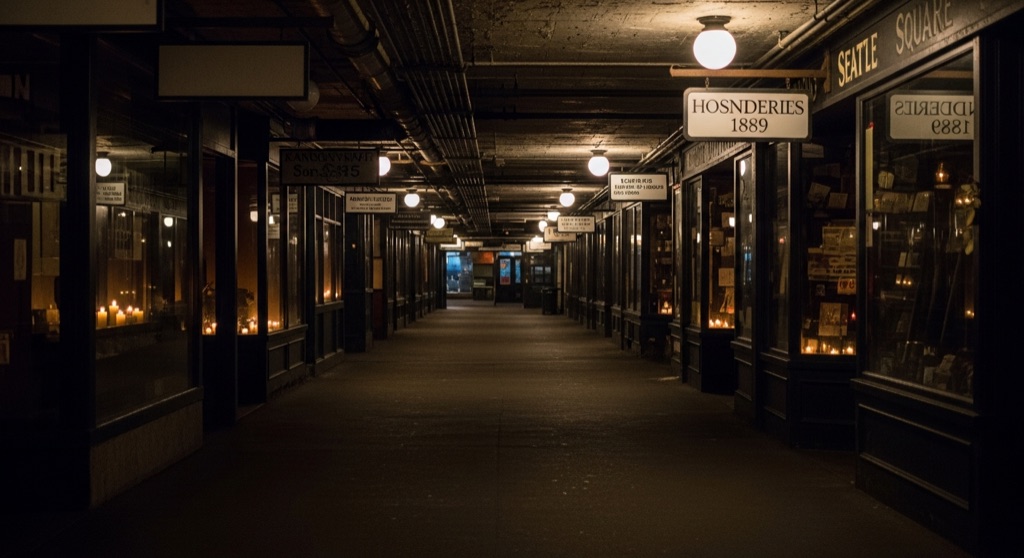 Bill Speidel's Underground TourOpen to visit
After the Great Fire of 1889 leveled downtown, Seattle rebuilt one to two stories higher, leaving the original storefronts and sidewalks buried beneath the streets. This 75-minute tour, started by newspaperman Bill Speidel in the mid-1960s, drops you into those buried passages below Pioneer Square, walking past abandoned storefronts and the city's earliest foundations. Guides spin the bawdy, scandalous stories of the pioneer city, and the eerie subterranean stretch has long fed Seattle ghost lore, with a separate after-dark paranormal experience for those chasing the tunnels' reputed hauntings.
Bill Speidel's Underground TourOpen to visit
After the Great Fire of 1889 leveled downtown, Seattle rebuilt one to two stories higher, leaving the original storefronts and sidewalks buried beneath the streets. This 75-minute tour, started by newspaperman Bill Speidel in the mid-1960s, drops you into those buried passages below Pioneer Square, walking past abandoned storefronts and the city's earliest foundations. Guides spin the bawdy, scandalous stories of the pioneer city, and the eerie subterranean stretch has long fed Seattle ghost lore, with a separate after-dark paranormal experience for those chasing the tunnels' reputed hauntings.
-
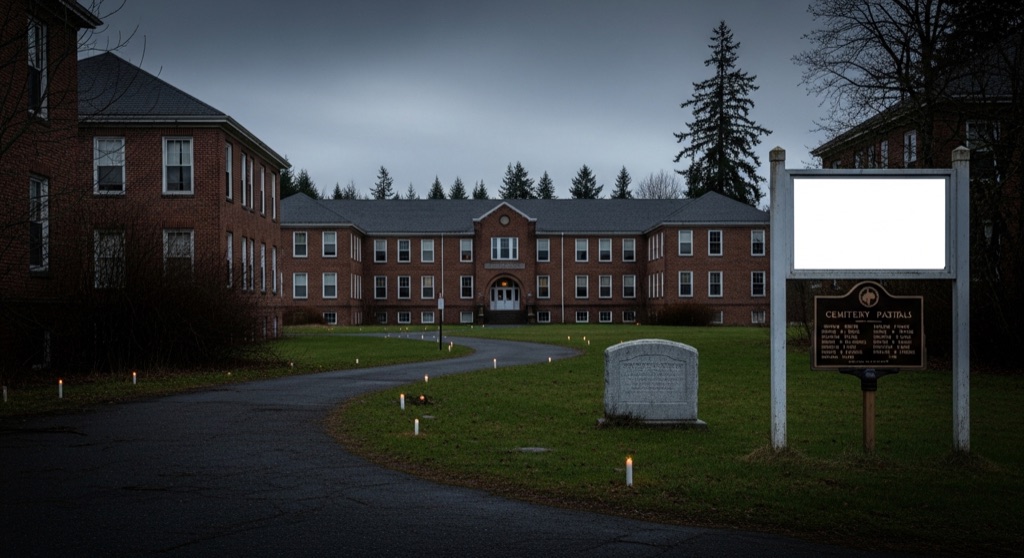 Northern State Recreation Area (Northern State Hospital ruins)View only
Northern State Hospital opened in 1912 as a mental institution on grounds landscaped by the Olmsted Brothers, peaking near 2,700 patients in the 1950s before closing in 1976. The state-run buildings are off-limits, but the surrounding land is now a public recreation area with wide pastoral trails winding past the brick hospital structures. A cemetery plaque memorializes the 1,487 patients buried on the grounds, and the abandoned campus has drawn decades of ghost reports.
Northern State Recreation Area (Northern State Hospital ruins)View only
Northern State Hospital opened in 1912 as a mental institution on grounds landscaped by the Olmsted Brothers, peaking near 2,700 patients in the 1950s before closing in 1976. The state-run buildings are off-limits, but the surrounding land is now a public recreation area with wide pastoral trails winding past the brick hospital structures. A cemetery plaque memorializes the 1,487 patients buried on the grounds, and the abandoned campus has drawn decades of ghost reports.
-
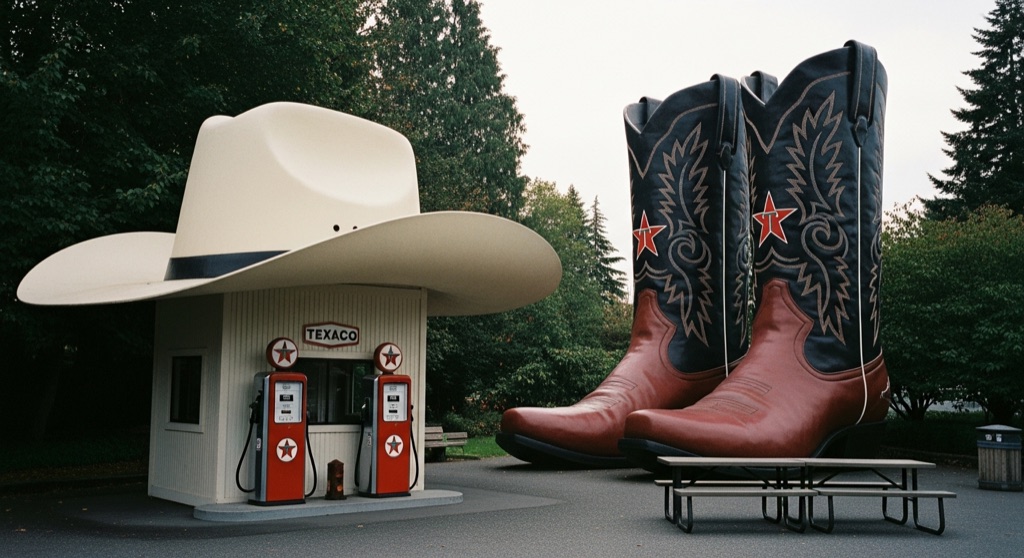 Hat 'n' Boots at Oxbow ParkOpen to visit
A 44-foot-wide cowboy hat and two 22-foot cowboy boots, once billed as the largest of their kind in America, sit incongruously in a small Georgetown park. They started life in 1954 as a Western-themed Texaco gas station, where the office hid under the hat and the two boots held the restrooms. After the station was abandoned, the city moved the rotting structures to Oxbow Park in 2003 and finished restoring them in 2010.
Hat 'n' Boots at Oxbow ParkOpen to visit
A 44-foot-wide cowboy hat and two 22-foot cowboy boots, once billed as the largest of their kind in America, sit incongruously in a small Georgetown park. They started life in 1954 as a Western-themed Texaco gas station, where the office hid under the hat and the two boots held the restrooms. After the station was abandoned, the city moved the rotting structures to Oxbow Park in 2003 and finished restoring them in 2010.
-
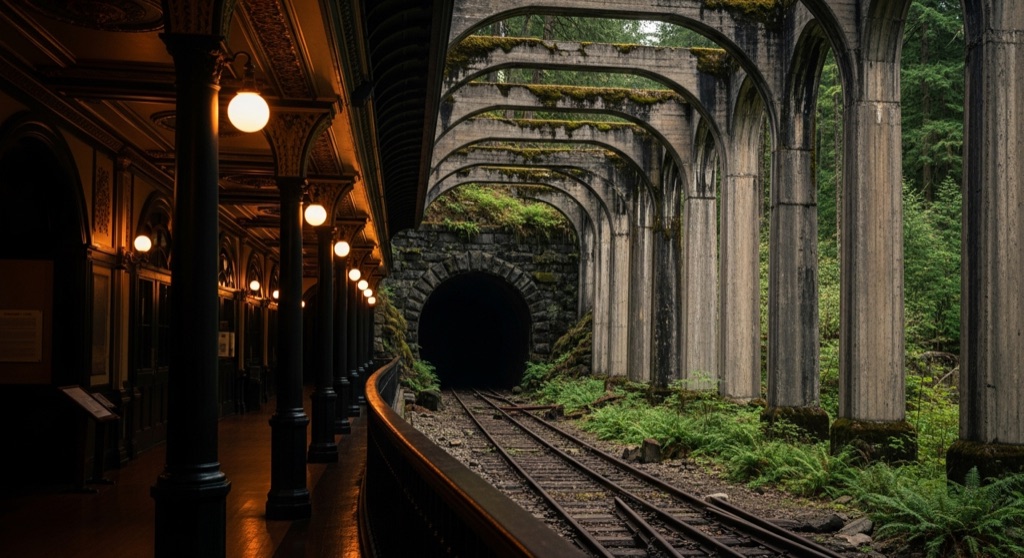 Iron Goat Trail / Wellington Ghost TownOpen to visit
This gentle railroad-grade trail follows the abandoned Great Northern route over Stevens Pass to the ghost-town site of Wellington, where in 1910 an avalanche swept two trains off the mountain and killed 96 people, the deadliest avalanche in U.S. history. What remains is genuinely eerie: the dark, eroding mouth of an old tunnel and the long, curving concrete pillars of a collapsing snowshed receding into the forest. There's no townsite left, just ruins, ferns, and the weight of what happened here.
Iron Goat Trail / Wellington Ghost TownOpen to visit
This gentle railroad-grade trail follows the abandoned Great Northern route over Stevens Pass to the ghost-town site of Wellington, where in 1910 an avalanche swept two trains off the mountain and killed 96 people, the deadliest avalanche in U.S. history. What remains is genuinely eerie: the dark, eroding mouth of an old tunnel and the long, curving concrete pillars of a collapsing snowshed receding into the forest. There's no townsite left, just ruins, ferns, and the weight of what happened here.
-
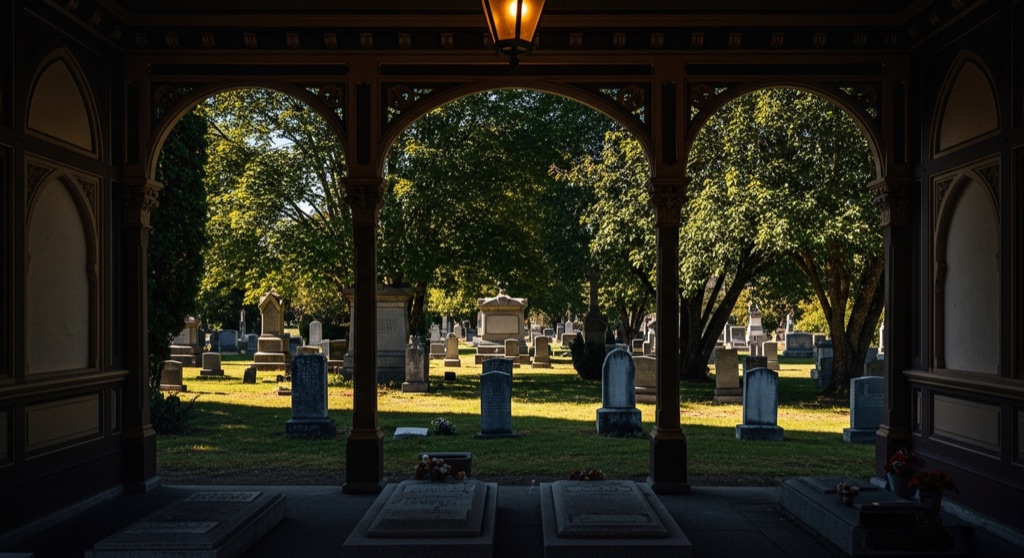 Northern State Recreation Area (former asylum grounds)Open to visit
This sprawling recreation area sits on the grounds of the old Northern State Hospital, a mental institution that operated from 1912 until 1973 and once ran as a self-sufficient farm colony. Wide pastoral trails wind past still-standing dairy barns and silos from that era (no entering the structures), and a separate path leads to a cemetery where an estimated 1,500 patients lie buried, the vast majority in unmarked graves with only a scattered few bearing a number and initials. The campus was laid out by the famed Olmsted Brothers, so the haunting decay is wrapped in oddly graceful landscaping.
Northern State Recreation Area (former asylum grounds)Open to visit
This sprawling recreation area sits on the grounds of the old Northern State Hospital, a mental institution that operated from 1912 until 1973 and once ran as a self-sufficient farm colony. Wide pastoral trails wind past still-standing dairy barns and silos from that era (no entering the structures), and a separate path leads to a cemetery where an estimated 1,500 patients lie buried, the vast majority in unmarked graves with only a scattered few bearing a number and initials. The campus was laid out by the famed Olmsted Brothers, so the haunting decay is wrapped in oddly graceful landscaping.
-
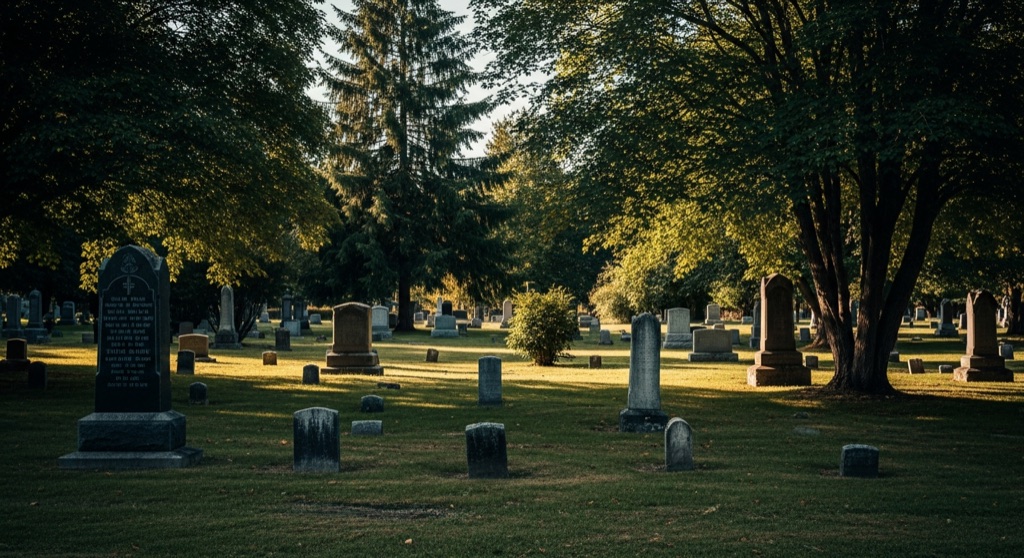 Franklin Ghost TownOpen to visit
Established in the 1880s as a coal mining town, Franklin was once a bustling community of over 1,000 residents before declining and being abandoned in 1919. Today, hikers can explore the forested site to find concrete foundations, a rusted coal cart, and a 1,300-foot-deep mine shaft sealed with a safety grate. A quiet, overgrown cemetery on a nearby hillside contains weathered headstones of miners, including some who perished in a tragic 1894 mine fire.
Franklin Ghost TownOpen to visit
Established in the 1880s as a coal mining town, Franklin was once a bustling community of over 1,000 residents before declining and being abandoned in 1919. Today, hikers can explore the forested site to find concrete foundations, a rusted coal cart, and a 1,300-foot-deep mine shaft sealed with a safety grate. A quiet, overgrown cemetery on a nearby hillside contains weathered headstones of miners, including some who perished in a tragic 1894 mine fire.
-
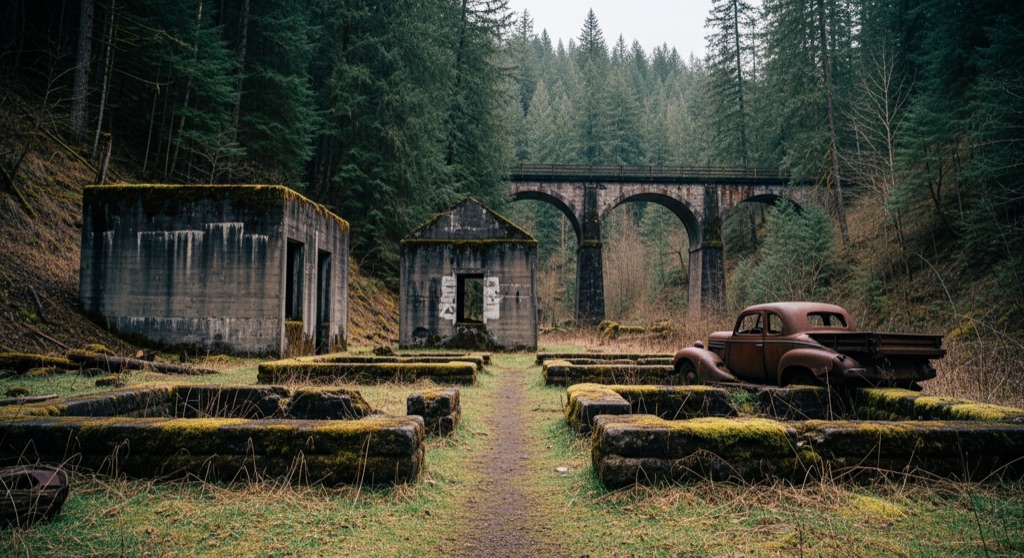 Melmont Ghost Town HikeOpen to visit
Established in 1900 as a coal-mining town along the Carbon River, Melmont was abandoned by the early 1920s and later swept by a forest fire. Today, hikers can explore the overgrown ruins of the town, including a concrete dynamite shed, the stone foundation of the schoolhouse, and a rusted-out vintage car. The trail follows an old railroad grade under the historic Fairfax Bridge, surrounded by dense Pacific Northwest forest.
Melmont Ghost Town HikeOpen to visit
Established in 1900 as a coal-mining town along the Carbon River, Melmont was abandoned by the early 1920s and later swept by a forest fire. Today, hikers can explore the overgrown ruins of the town, including a concrete dynamite shed, the stone foundation of the schoolhouse, and a rusted-out vintage car. The trail follows an old railroad grade under the historic Fairfax Bridge, surrounded by dense Pacific Northwest forest.
-
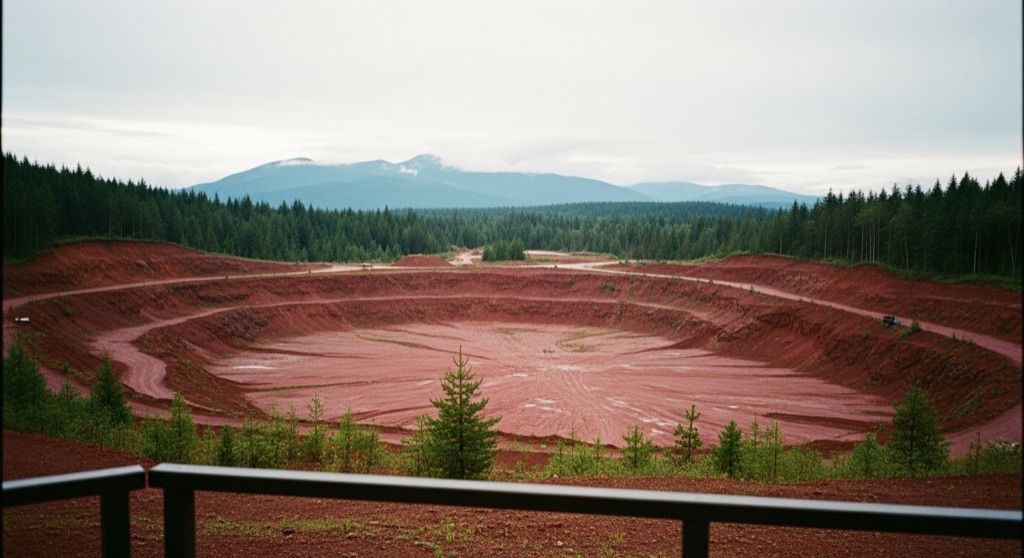 Abandoned Clay PitView only
Located within Cougar Mountain Regional Wildland Park, this massive open-cut mine was operated by Mutual Materials from the late 1950s until the 2008 recession. It supplied raw clay to the Newcastle brick plant, producing the bricks used to build the University of Washington's Red Square and T-Mobile Park. Today, the pit has been graded and seeded as a meadow, leaving a vast, red-tinted clay depression surrounded by regrowing forest.
Abandoned Clay PitView only
Located within Cougar Mountain Regional Wildland Park, this massive open-cut mine was operated by Mutual Materials from the late 1950s until the 2008 recession. It supplied raw clay to the Newcastle brick plant, producing the bricks used to build the University of Washington's Red Square and T-Mobile Park. Today, the pit has been graded and seeded as a meadow, leaving a vast, red-tinted clay depression surrounded by regrowing forest.
-
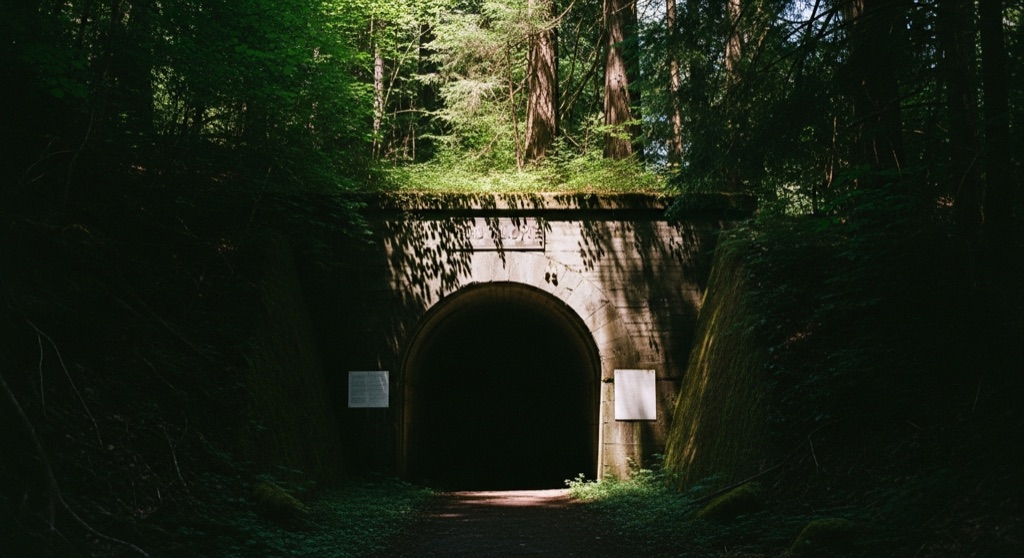 Ford Slope MineView only
Opened in 1905, the Ford Slope Mine was once the largest and most productive coal mine on Cougar Mountain, plunging down five levels to a depth of 1,500 feet. The operation abruptly ended in 1929 after a devastating fire destroyed the nearby Coal Creek bunkers. Today, the mine's arched concrete entry remains visible along the trail, permanently sealed with concrete and preserved as an outdoor historical exhibit.
Ford Slope MineView only
Opened in 1905, the Ford Slope Mine was once the largest and most productive coal mine on Cougar Mountain, plunging down five levels to a depth of 1,500 feet. The operation abruptly ended in 1929 after a devastating fire destroyed the nearby Coal Creek bunkers. Today, the mine's arched concrete entry remains visible along the trail, permanently sealed with concrete and preserved as an outdoor historical exhibit.
-
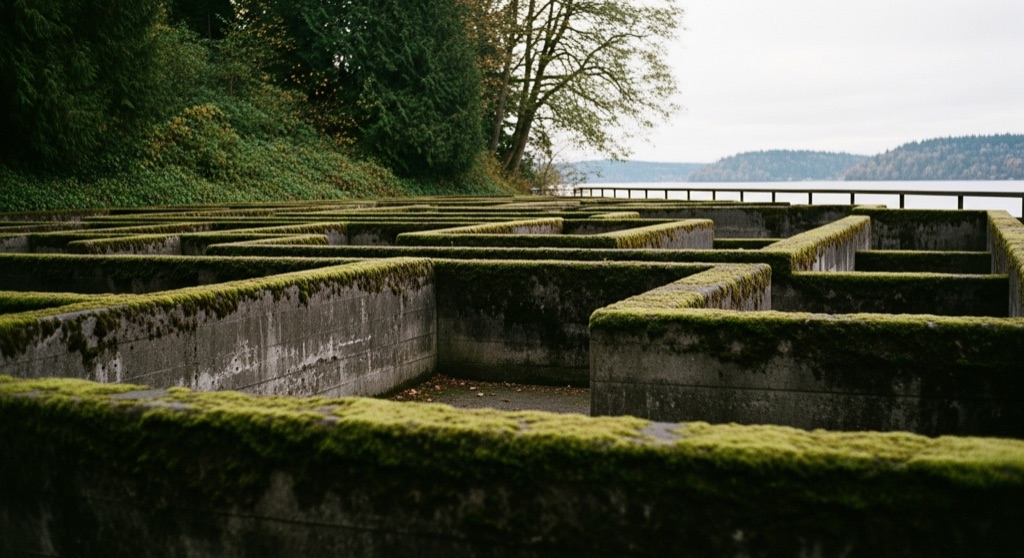 Dairy Barn RuinsOpen to visit
Located within Luther Burbank Park, these concrete ruins are the remaining foundation of a dairy barn and milk operation. The facility was run by the Luther Burbank School (originally the Boys Parental School), which operated from 1905 to 1965 as a residential school for youth. Today, the low concrete walls stand as a historic, moss-covered labyrinth that visitors can easily explore along the park's paved trails.
Dairy Barn RuinsOpen to visit
Located within Luther Burbank Park, these concrete ruins are the remaining foundation of a dairy barn and milk operation. The facility was run by the Luther Burbank School (originally the Boys Parental School), which operated from 1905 to 1965 as a residential school for youth. Today, the low concrete walls stand as a historic, moss-covered labyrinth that visitors can easily explore along the park's paved trails.
-
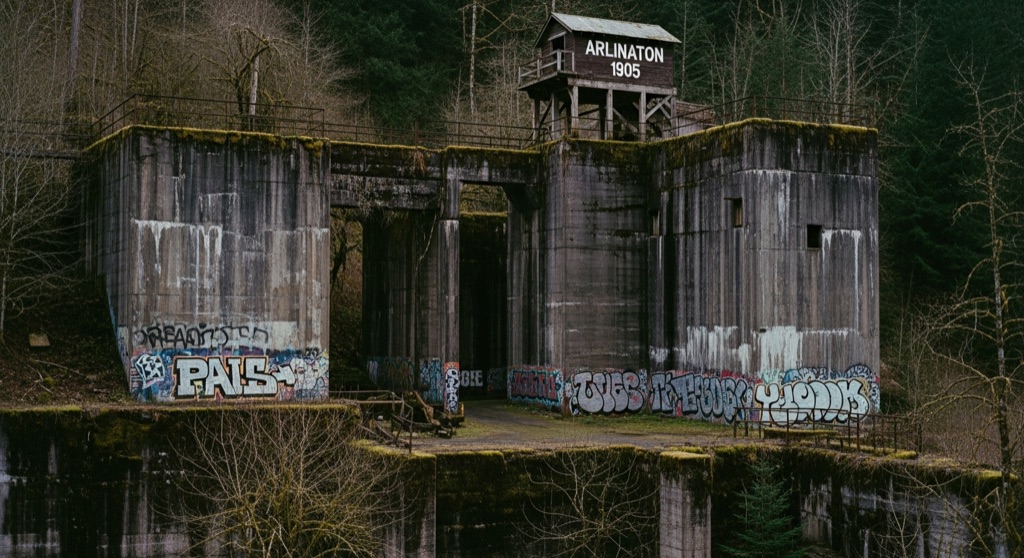 Fortson MillOpen to visit
Established in 1905 as a lumber mill, this site once supported a thriving company town of over 300 residents before operations ceased in the mid-20th century. Today, the forest has reclaimed the area, leaving behind massive, graffiti-covered concrete walls and foundations draped in moss and ferns. The adjacent mill ponds have transitioned into a peaceful wildlife habitat and salmon spawning ground.
Fortson MillOpen to visit
Established in 1905 as a lumber mill, this site once supported a thriving company town of over 300 residents before operations ceased in the mid-20th century. Today, the forest has reclaimed the area, leaving behind massive, graffiti-covered concrete walls and foundations draped in moss and ferns. The adjacent mill ponds have transitioned into a peaceful wildlife habitat and salmon spawning ground.
-
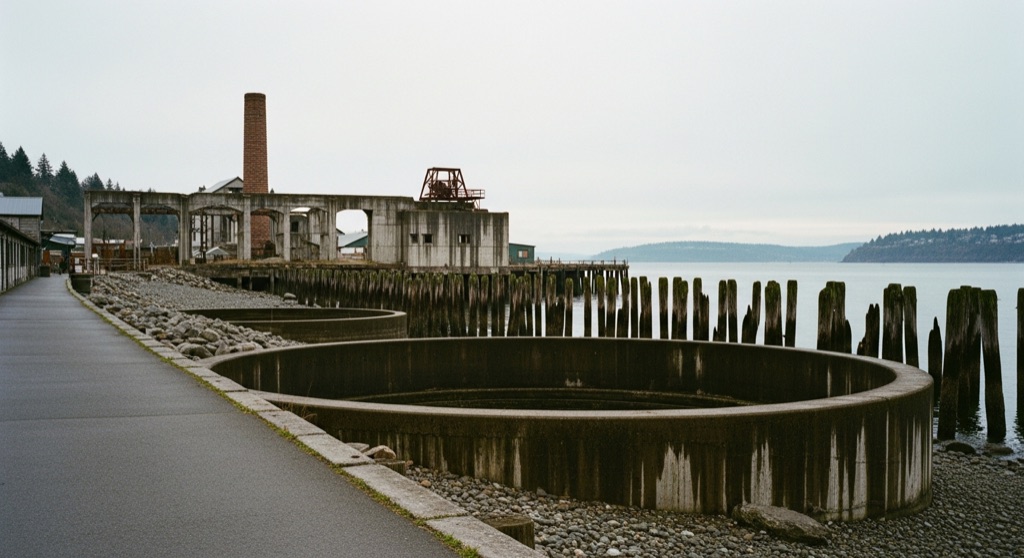 Dickman Mill ParkOpen to visit
Dickman Mill Park preserves the remains of Tacoma's last operating waterfront sawmill, which was established in 1889 and destroyed by fire in 1979. Today, the public park integrates the mill's concrete foundations, the 60-foot circular foundation of its wigwam burner, and a restored 15-ton historic head saw. Decaying wooden pilings still line the shoreline, offering a stark visual reminder of the city's industrial past.
Dickman Mill ParkOpen to visit
Dickman Mill Park preserves the remains of Tacoma's last operating waterfront sawmill, which was established in 1889 and destroyed by fire in 1979. Today, the public park integrates the mill's concrete foundations, the 60-foot circular foundation of its wigwam burner, and a restored 15-ton historic head saw. Decaying wooden pilings still line the shoreline, offering a stark visual reminder of the city's industrial past.
Abandoned places in Seattle — FAQ
Is it legal to visit abandoned places around Seattle?
It depends on the site, and each listing here says explicitly — with the reason. Of the 12 with a verified access status: 9 are legal to enter (like Bill Speidel's Underground Tour and Hat 'n' Boots at Oxbow Park), 3 are view-only from public land or roadside, and 0 are private property or genuinely unsafe — those are marked "do not enter" rather than romanticised.
Which abandoned & forgotten places in Seattle are the strangest?
Ranked by how strange they actually are: Northern State Recreation Area (Northern State Hospital ruins), Bill Speidel's Underground Tour and Northern State Recreation Area (former asylum grounds). Northern State Recreation Area (Northern State Hospital ruins) — Northern State Hospital opened in 1912 as a mental institution on grounds landscaped by the Olmsted Brothers, peaking near 2,700 patients in the 1950s before closing in 1976.
Where in Seattle are they?
Across Pioneer Square, Seattle, Sedro-Woolley, Washington, Georgetown, Seattle, Stevens Pass (near Skykomish), WA and Sedro-Woolley, WA and 7 more. Each listing gives the neighborhood and address so you can cluster a couple into one outing.
Are any of the abandoned & forgotten places in Seattle free?
Yes — 9 are free to visit, including Hat 'n' Boots at Oxbow Park, Iron Goat Trail / Wellington Ghost Town and Franklin Ghost Town. The rest are mostly low-cost.
Is this a good weird date in Seattle?
That's what the list is built for. Every entry has a specific move rather than a vague recommendation — at Northern State Recreation Area (Northern State Hospital ruins), for instance: Drive up for a daytime hike among the abandoned brick wards and pay quiet respects at the patient cemetery.
How were these abandoned & forgotten places chosen?
An agentic research system digs for the genuinely obscure — the spots even locals miss — and every one is verified against real sources before it makes the list. We deliberately skip the landmarks already on every Seattle guide.