Haunted things to do in Grand Junction
Looking for haunted things to do in Grand Junction? These 9 are the real ones — Atomic Legacy Cabin, Captain Smith’s Cabin and Redstone Castle (Cleveholm Manor) among them — actual dark-history sites and genuinely unsettling places, not a seasonal haunted house with a fog machine. They spread across Grand Junction, Delta, Redstone, Crested Butte and 4 more areas, so two or three can make a whole afternoon. 2 of them cost nothing. Every entry is hand-vetted against real sources — not scraped off a top-ten list or averaged out of crowd ratings.
-
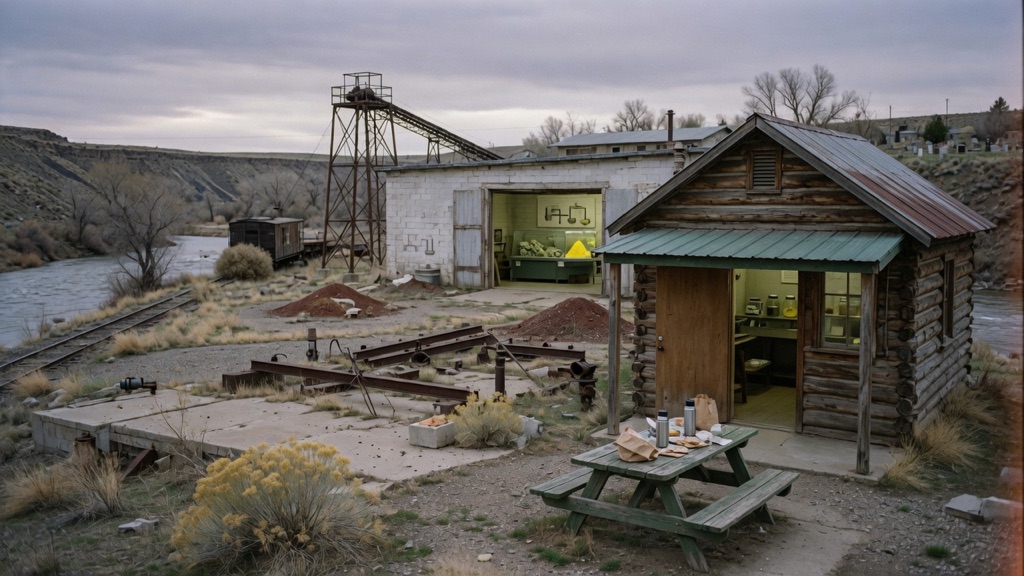 Atomic Legacy Cabin
In March 1943, Army lieutenant Philip Leahy bought a 55-acre gravel pit behind Orchard Mesa’s cemeteries — Gunnison River on three sides, its own rail spur — and built a refinery that processed green vanadium-mill sludge into yellowcake uranium for the Manhattan Project. This log cabin was his office. Newspapers were told the plant made vanadium for hardening steel. By 1946 the Colorado Plateau had quietly supplied about 14 percent of the bomb program’s uranium. Today it’s a free DOE-run museum, and most of Grand Junction still doesn’t know.
Atomic Legacy Cabin
In March 1943, Army lieutenant Philip Leahy bought a 55-acre gravel pit behind Orchard Mesa’s cemeteries — Gunnison River on three sides, its own rail spur — and built a refinery that processed green vanadium-mill sludge into yellowcake uranium for the Manhattan Project. This log cabin was his office. Newspapers were told the plant made vanadium for hardening steel. By 1946 the Colorado Plateau had quietly supplied about 14 percent of the bomb program’s uranium. Today it’s a free DOE-run museum, and most of Grand Junction still doesn’t know.
-
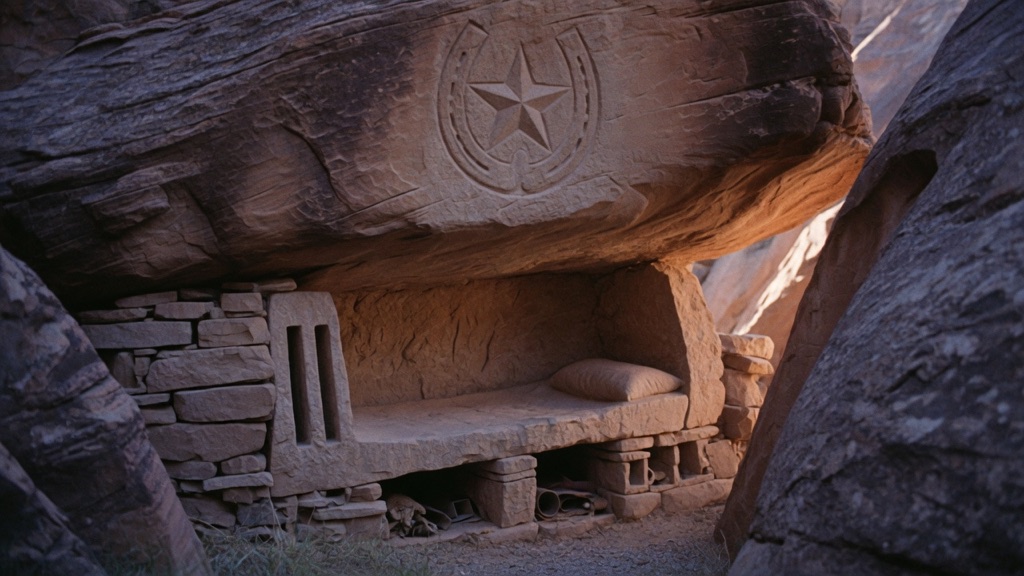 Captain Smith’s Cabin
In 1911, Captain Henry A. Smith — Civil War veteran, tombstone carver, sixty-five years old — leaned three stone walls against a sandstone fin in Escalante Canyon and chiseled the rest of his house into the rock: a sleeping shelf cut to his own length, slots beside the pillow for his guns, storage nooks below. High on the cliff he carved a horseshoe with a star inside — the brand of his dead blacksmith friend Bowen — an obituary in stone from the man who cut Delta’s gravestones.
Captain Smith’s Cabin
In 1911, Captain Henry A. Smith — Civil War veteran, tombstone carver, sixty-five years old — leaned three stone walls against a sandstone fin in Escalante Canyon and chiseled the rest of his house into the rock: a sleeping shelf cut to his own length, slots beside the pillow for his guns, storage nooks below. High on the cliff he carved a horseshoe with a star inside — the brand of his dead blacksmith friend Bowen — an obituary in stone from the man who cut Delta’s gravestones.
-
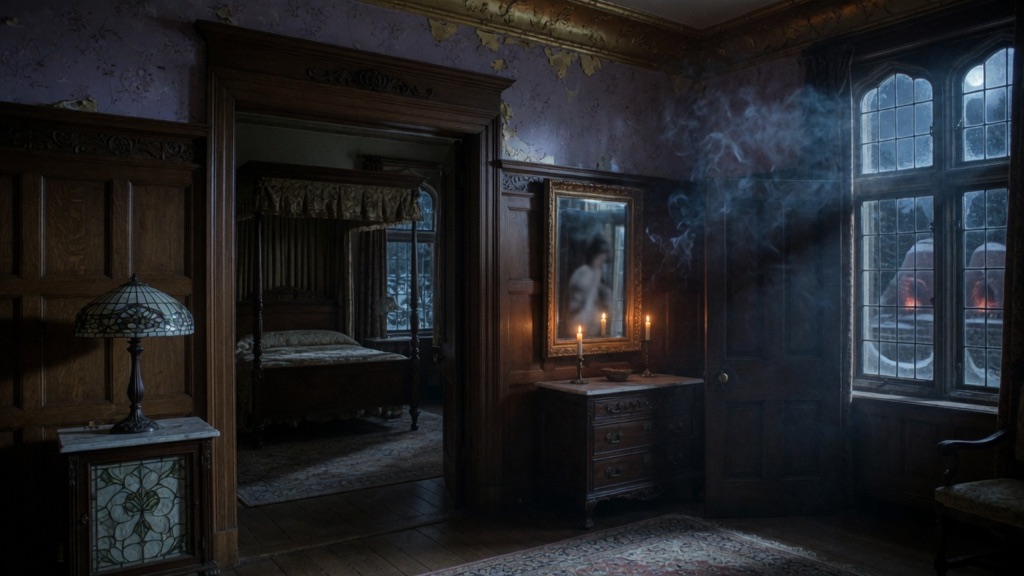 Redstone Castle (Cleveholm Manor)
Coal baron John Osgood spent $2.5 million in 1902 on Cleveholm — 42 rooms of Tiffany light fixtures, Stickley woodwork, and gold-leaf ceilings built to impress his fellow barons of industry. Three-quarters of the furnishings never left. Neither, apparently, did Osgood: a longtime caretaker smelled his cigar smoke drifting from behind his closed bedroom door in an otherwise empty house, and winter guests in wife Alma's room report lilac perfume blooming out of season. One housekeeper saw a figure in Lady Bountiful's mirror and never went back.
Redstone Castle (Cleveholm Manor)
Coal baron John Osgood spent $2.5 million in 1902 on Cleveholm — 42 rooms of Tiffany light fixtures, Stickley woodwork, and gold-leaf ceilings built to impress his fellow barons of industry. Three-quarters of the furnishings never left. Neither, apparently, did Osgood: a longtime caretaker smelled his cigar smoke drifting from behind his closed bedroom door in an otherwise empty house, and winter guests in wife Alma's room report lilac perfume blooming out of season. One housekeeper saw a figure in Lady Bountiful's mirror and never went back.
-
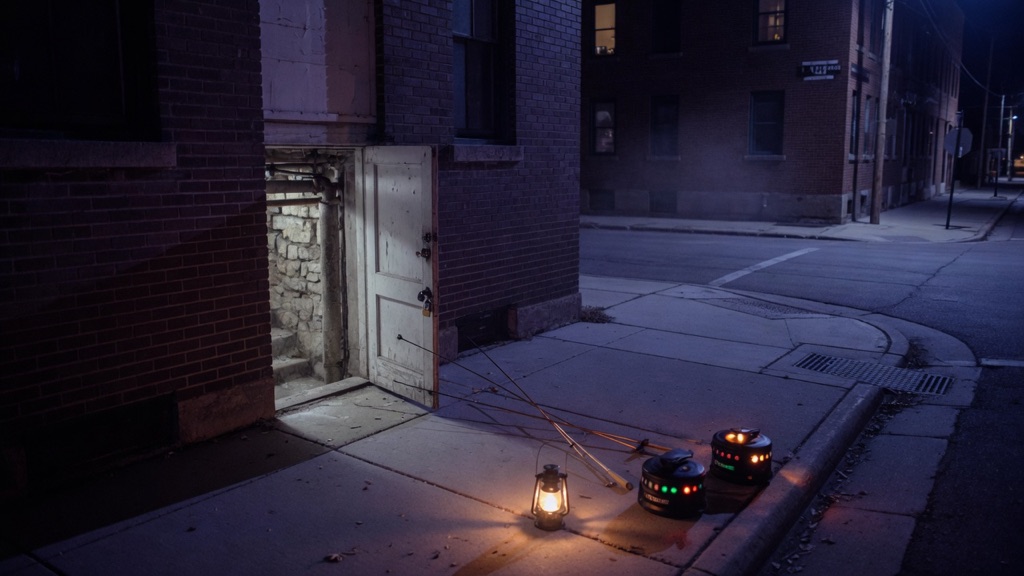 Whispers From The Past Ghost Walk
Rhonda Steele is a fifth-generation Grand Junction local who spent five years digging through downtown’s dirt — specifically the red-light district that ran at 3rd and Colorado, and the tunnels still sitting under the street beneath Elks Lodge #575. A white basement door once opened onto a passage to the St. Regis Hotel; lodge members swear the upstairs piano has played itself at the 11 p.m. toast. She and Nina Carrillo of Western Slope Paranormal walk you through all of it, K2 meters included.
Whispers From The Past Ghost Walk
Rhonda Steele is a fifth-generation Grand Junction local who spent five years digging through downtown’s dirt — specifically the red-light district that ran at 3rd and Colorado, and the tunnels still sitting under the street beneath Elks Lodge #575. A white basement door once opened onto a passage to the St. Regis Hotel; lodge members swear the upstairs piano has played itself at the 11 p.m. toast. She and Nina Carrillo of Western Slope Paranormal walk you through all of it, K2 meters included.
-
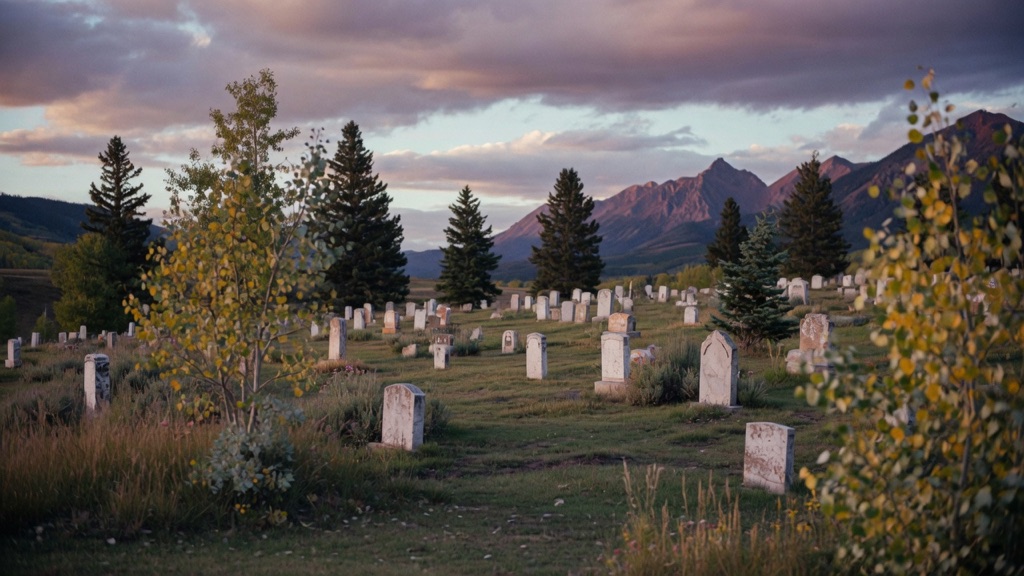 Crested Butte Cemetery
On the north edge of town along Gothic Road, Crested Butte's Victorian-era cemetery holds the evidence of a brutal frontier chapter. The left half of the grounds is dominated by the mass grave of 59 miners — many of them adolescents — killed in the Jokerville Mine explosion of January 24, 1884, one of the deadliest mining disasters in the American West. A hand-forged steel fence added in 2017 encloses the site, its cutouts depicting a pick and shovel. Surrounding plots bear Croatian, Italian, and Slavic surnames — Kochevar, Yaklich, Tezak — on markers ranging from weathered wooden crosses to a small marble lamb. The non-denominational Betty Spehar Chapel, built in the 1960s from salvaged elements of an 1890 church, anchors the grounds beneath the looming profile of Mt. Crested Butte.
Crested Butte Cemetery
On the north edge of town along Gothic Road, Crested Butte's Victorian-era cemetery holds the evidence of a brutal frontier chapter. The left half of the grounds is dominated by the mass grave of 59 miners — many of them adolescents — killed in the Jokerville Mine explosion of January 24, 1884, one of the deadliest mining disasters in the American West. A hand-forged steel fence added in 2017 encloses the site, its cutouts depicting a pick and shovel. Surrounding plots bear Croatian, Italian, and Slavic surnames — Kochevar, Yaklich, Tezak — on markers ranging from weathered wooden crosses to a small marble lamb. The non-denominational Betty Spehar Chapel, built in the 1960s from salvaged elements of an 1890 church, anchors the grounds beneath the looming profile of Mt. Crested Butte.
-
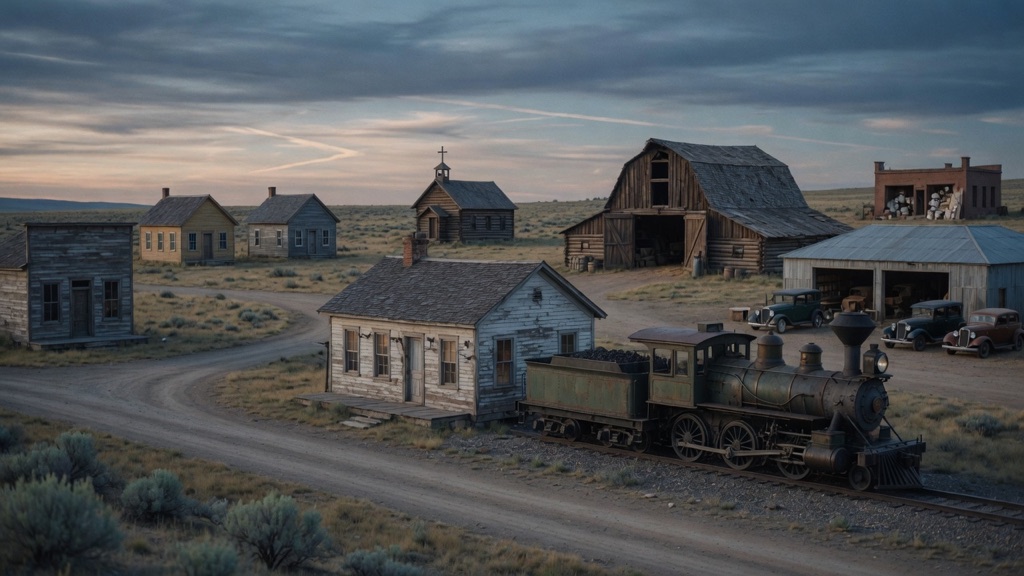 Gunnison Pioneer Museum
Seven developed acres on the east edge of Gunnison hold 42 historic structures that form one of Colorado's most sprawling outdoor museums — and almost nobody outside the valley knows it exists. Walk from an 1870s post office (the county's first) past two restored one-room schoolhouses, a hand-pegged 1880 dairy barn, a log-cabin miners' chapel built in 1879, and a climate-controlled hangar sheltering roughly 90 antique vehicles. The star of the railroad yard is Engine No. 268, "Cinder Ella," an 1882 Baldwin C-16 locomotive — one of only three surviving examples from a class of 150 — parked beside a relocated depot still furnished with telegraph equipment and the stationmaster's quarters. A separate building houses more than 1,000 antique dolls. The scale is genuinely disorienting in the best way.
Gunnison Pioneer Museum
Seven developed acres on the east edge of Gunnison hold 42 historic structures that form one of Colorado's most sprawling outdoor museums — and almost nobody outside the valley knows it exists. Walk from an 1870s post office (the county's first) past two restored one-room schoolhouses, a hand-pegged 1880 dairy barn, a log-cabin miners' chapel built in 1879, and a climate-controlled hangar sheltering roughly 90 antique vehicles. The star of the railroad yard is Engine No. 268, "Cinder Ella," an 1882 Baldwin C-16 locomotive — one of only three surviving examples from a class of 150 — parked beside a relocated depot still furnished with telegraph equipment and the stationmaster's quarters. A separate building houses more than 1,000 antique dolls. The scale is genuinely disorienting in the best way.
-
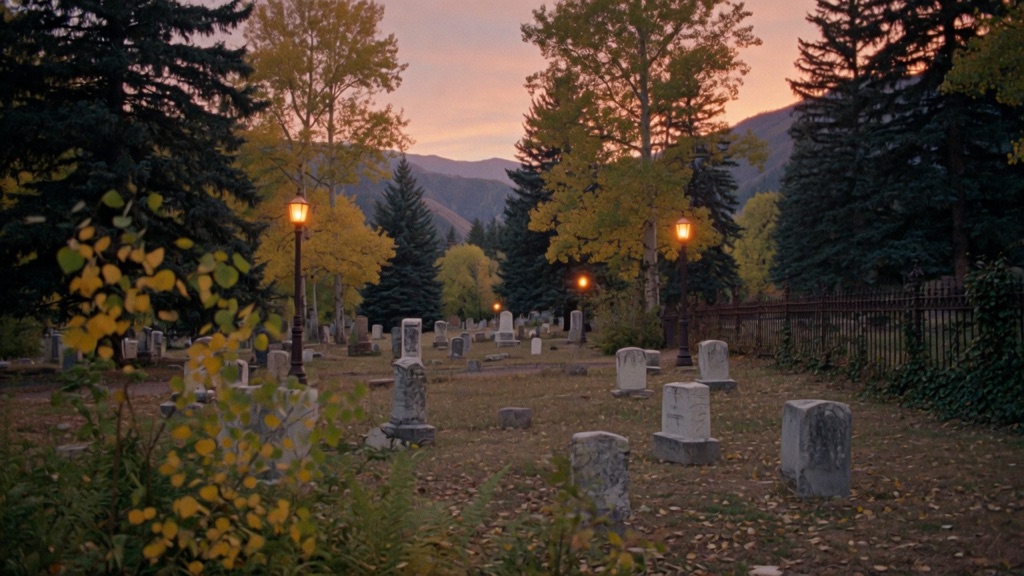 Ute Cemetery
Established in 1880 when a Texas prospector died of mountain fever before Aspen had any formal burial ground, Ute Cemetery holds roughly 175 graves on a 4.7-acre wooded ridge off Ute Avenue — modest headstones, iron-fence plots, and cobblestone coping marking the working-class underbelly of the silver-boom era. About 50 Civil War veterans occupy the eastern section in two organized rows, their government-issue white markers arriving by train in 1890. The western half fans out in a random pattern; only 25 graves carry identifying markers. An 1880s avalanche season claimed multiple miners buried here, and one grave belongs to Francis Deacon Jones, the only documented Black resident, who led prayer meetings among Aspen's small Black community and died in 1919 with his plot left unmarked. Listed on the National Register of Historic Places in 2002 and thoroughly restored, it remains free and open to the public.
Ute Cemetery
Established in 1880 when a Texas prospector died of mountain fever before Aspen had any formal burial ground, Ute Cemetery holds roughly 175 graves on a 4.7-acre wooded ridge off Ute Avenue — modest headstones, iron-fence plots, and cobblestone coping marking the working-class underbelly of the silver-boom era. About 50 Civil War veterans occupy the eastern section in two organized rows, their government-issue white markers arriving by train in 1890. The western half fans out in a random pattern; only 25 graves carry identifying markers. An 1880s avalanche season claimed multiple miners buried here, and one grave belongs to Francis Deacon Jones, the only documented Black resident, who led prayer meetings among Aspen's small Black community and died in 1919 with his plot left unmarked. Listed on the National Register of Historic Places in 2002 and thoroughly restored, it remains free and open to the public.
-
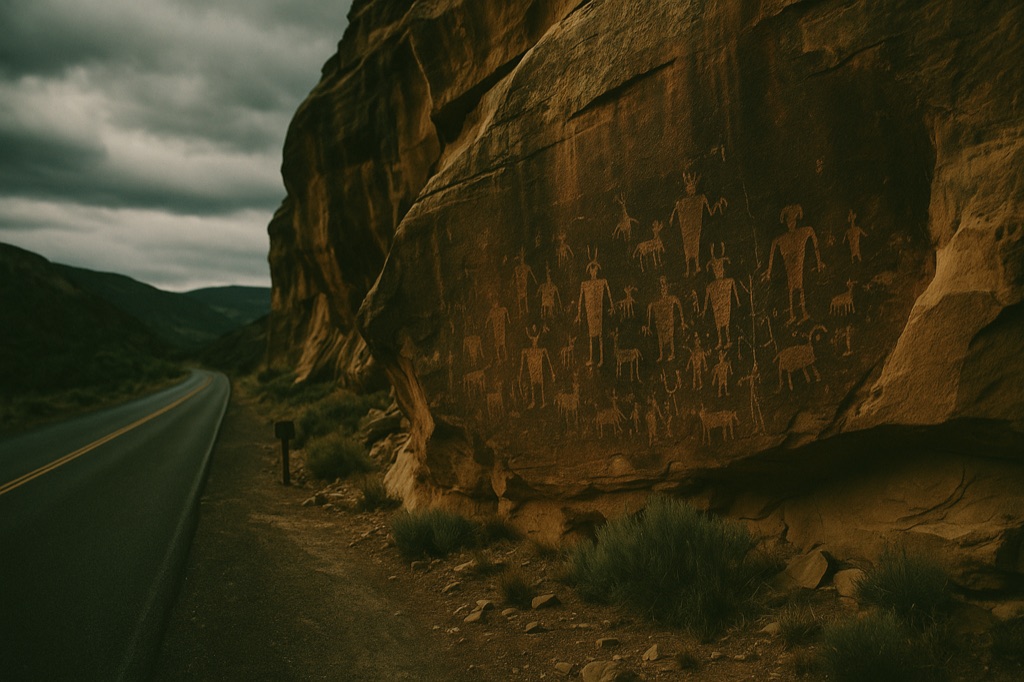 Cañon Pintado National Historic District
Spanish missionaries named this canyon 'Painted Canyon' in 1776 after stumbling onto sandstone walls covered in Fremont and Ute figures — images that had already been accumulating for roughly a thousand years before the expedition passed through. Today, fifteen miles of Hwy 139 south of Rangely run alongside those same panels: 200-plus sites, free to visit, marked only by small BLM pullout signs that most drivers blow past without slowing. You can cover the whole corridor in a few hours without seeing another car, which feels genuinely strange for rock art this dense and this old.
Cañon Pintado National Historic District
Spanish missionaries named this canyon 'Painted Canyon' in 1776 after stumbling onto sandstone walls covered in Fremont and Ute figures — images that had already been accumulating for roughly a thousand years before the expedition passed through. Today, fifteen miles of Hwy 139 south of Rangely run alongside those same panels: 200-plus sites, free to visit, marked only by small BLM pullout signs that most drivers blow past without slowing. You can cover the whole corridor in a few hours without seeing another car, which feels genuinely strange for rock art this dense and this old.
-
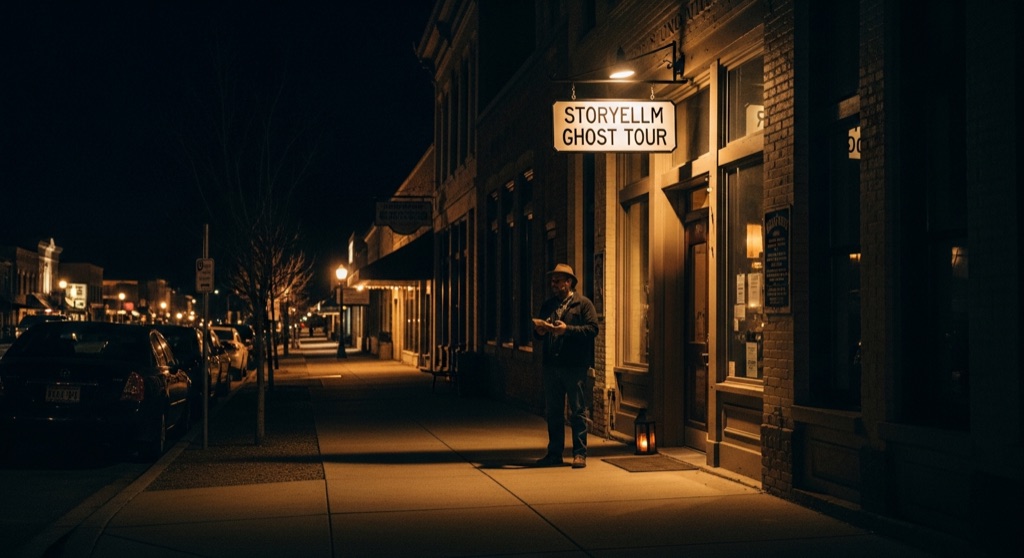 Grand Junction Ghosts (US Ghost Adventures)
A storyteller-led evening ghost tour that meets outside the Museum of the West and covers about a mile of downtown's haunted heart over roughly an hour. The route threads past historic haunts like the Summit Building and old downtown landmarks, with each stop unpacking local lore rather than relying on jump-scares. It is a national operator's take, so it runs on a predictable nightly-style schedule that is easy to slot into a date night.
Grand Junction Ghosts (US Ghost Adventures)
A storyteller-led evening ghost tour that meets outside the Museum of the West and covers about a mile of downtown's haunted heart over roughly an hour. The route threads past historic haunts like the Summit Building and old downtown landmarks, with each stop unpacking local lore rather than relying on jump-scares. It is a national operator's take, so it runs on a predictable nightly-style schedule that is easy to slot into a date night.
Haunted things to do in Grand Junction — FAQ
Which haunted places & dark-history spots in Grand Junction are the strangest?
Ranked by how strange they actually are: Redstone Castle (Cleveholm Manor), Whispers From The Past Ghost Walk and Crested Butte Cemetery. Redstone Castle (Cleveholm Manor) — Coal baron John Osgood spent $2.5 million in 1902 on Cleveholm — 42 rooms of Tiffany light fixtures, Stickley woodwork, and gold-leaf ceilings built to impress his fellow barons of industry.
Where in Grand Junction are they?
Across Grand Junction, Delta, Redstone, Crested Butte and Gunnison and 3 more. Each listing gives the neighborhood and address so you can cluster a couple into one outing.
Are any of the haunted places & dark-history spots in Grand Junction free?
Yes — 2 are free to visit, including Captain Smith’s Cabin and Cañon Pintado National Historic District. The rest are mostly low-cost.
Is this a good weird date in Grand Junction?
That's what the list is built for. Every entry has a specific move rather than a vague recommendation — at Redstone Castle (Cleveholm Manor), for instance: Book the weekend guided tour, sniff for cigar smoke outside Osgood's bedroom door, then walk Redstone Boulevard past the beehive coke ovens his miners once fired.
How were these haunted places & dark-history spots chosen?
An agentic research system digs for the genuinely obscure — the spots even locals miss — and every one is verified against real sources before it makes the list. We deliberately skip the landmarks already on every Grand Junction guide.