Hidden bars & speakeasies in Grand Junction
Grand Junction hides 16 bars worth the hunt, including Manhattan Project, Museum of the Mountain West and Phelanies. Unmarked doors, back-of-the-laundromat phone booths, no-sign basements — speakeasies that earned the word rather than borrowing it for the decor. They spread across Grand Junction, Montrose, Cedaredge, Aspen and 5 more areas, so two or three can make a whole afternoon. 2 of them cost nothing. Every entry is hand-vetted against real sources — not scraped off a top-ten list or averaged out of crowd ratings.
-
 Manhattan Project
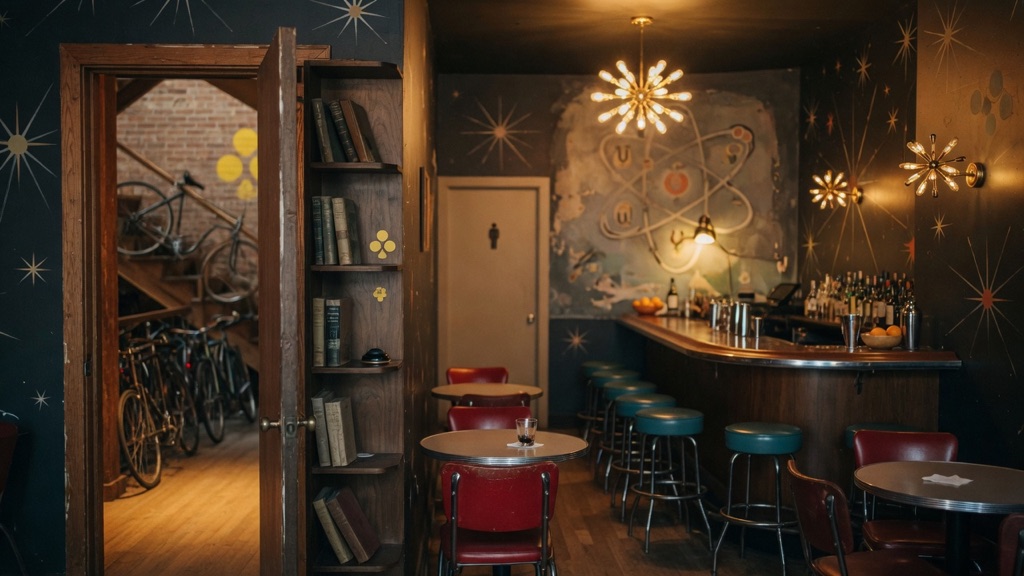
Handlebar Tap House looks like a post-ride beer stop — 24 taps, bikes everywhere. But follow the yellow trefoil markers up two flights of stairs and you'll hit a bathroom sign next to an old bookshelf. There's a buzzer hidden on the shelf; press it and the bookcase clicks open onto a roughly 20-seat cocktail room done up in 1940s atomic style. The name is local history, not a gimmick: the real Manhattan Project refined its uranium right here in Grand Junction.
Manhattan Project
Handlebar Tap House looks like a post-ride beer stop — 24 taps, bikes everywhere. But follow the yellow trefoil markers up two flights of stairs and you'll hit a bathroom sign next to an old bookshelf. There's a buzzer hidden on the shelf; press it and the bookcase clicks open onto a roughly 20-seat cocktail room done up in 1940s atomic style. The name is local history, not a gimmick: the real Manhattan Project refined its uranium right here in Grand Junction.
-
 Museum of the Mountain West
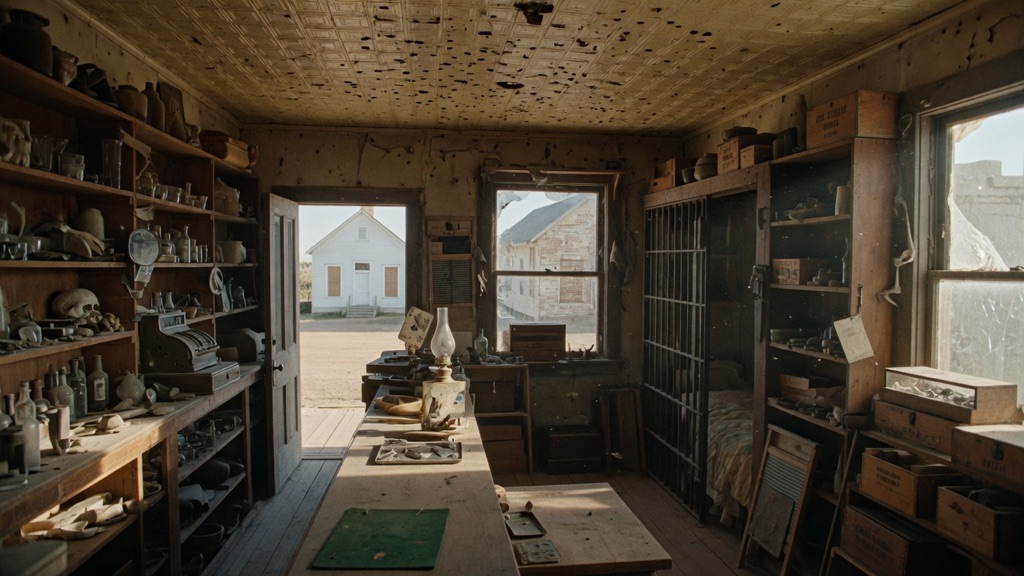
Retired BLM archaeologist Richard Fike spent decades filling thirty-plus storage lockers, then built a fake town to hold it all. Adobe Flats: 28 relocated historic buildings — saloon, jail, Chinese laundry, a 1913 German Lutheran church — packed with some 500,000 artifacts on six acres. Human skulls sit in the dentist's office, a playing card signed by Sitting Bull during his Buffalo Bill days hangs nearby, and the saloon ceiling still wears its bullet holes. Fike, now in his eighties, often greets visitors himself.
Museum of the Mountain West
Retired BLM archaeologist Richard Fike spent decades filling thirty-plus storage lockers, then built a fake town to hold it all. Adobe Flats: 28 relocated historic buildings — saloon, jail, Chinese laundry, a 1913 German Lutheran church — packed with some 500,000 artifacts on six acres. Human skulls sit in the dentist's office, a playing card signed by Sitting Bull during his Buffalo Bill days hangs nearby, and the saloon ceiling still wears its bullet holes. Fike, now in his eighties, often greets visitors himself.
-
 Phelanies
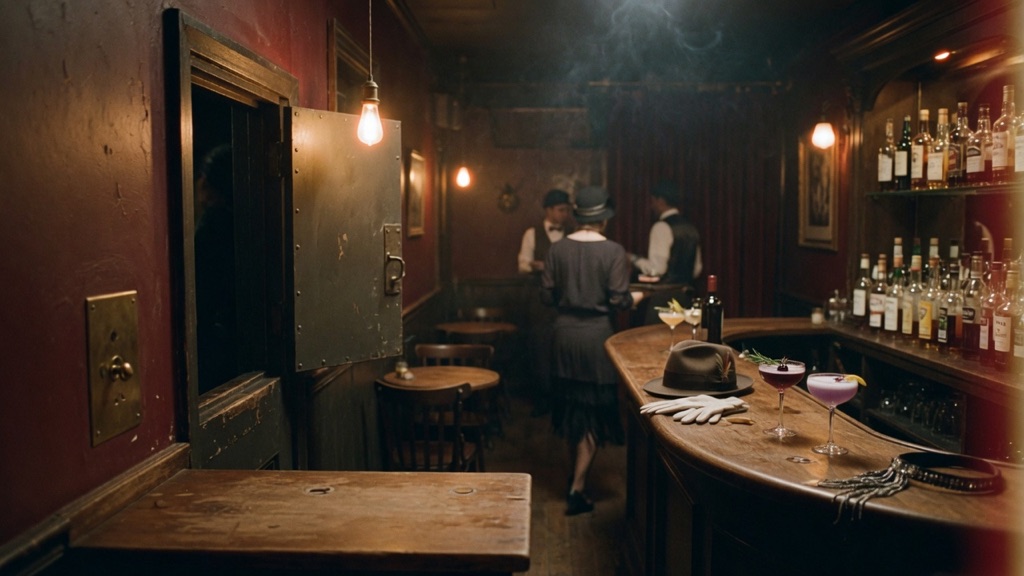
Phil and Melanie Freismuth ran Horsefly Brewing for a decade before opening this place across the street in 2018 — Phelanies, their names smashed together like a bootlegger alias. The real door is in the alley behind the pawnshop: ring the bell, a hatch in the locked door slides open, and someone asks for the password, which rotates and hides on their Facebook page. Inside it is dim and quiet — servers in 1920s dress, house-made syrups in top-shelf cocktails, and a fedora or flapper headband pressed into your hands.
Phelanies
Phil and Melanie Freismuth ran Horsefly Brewing for a decade before opening this place across the street in 2018 — Phelanies, their names smashed together like a bootlegger alias. The real door is in the alley behind the pawnshop: ring the bell, a hatch in the locked door slides open, and someone asks for the password, which rotates and hides on their Facebook page. Inside it is dim and quiet — servers in 1920s dress, house-made syrups in top-shelf cocktails, and a fedora or flapper headband pressed into your hands.
-
 Pioneer Town Museum
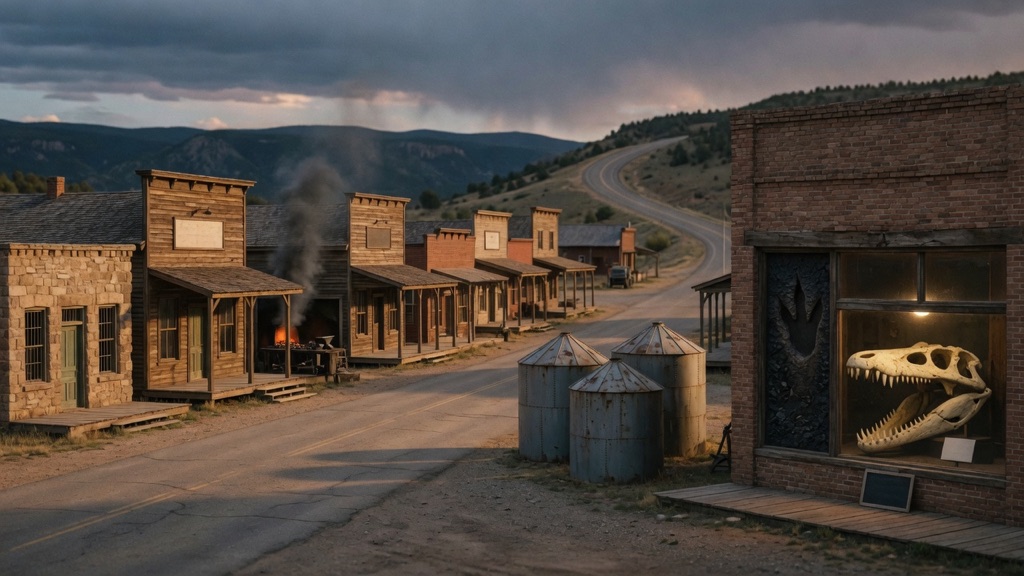
Twenty-four buildings of resurrected frontier town — the 1907 jail, the Lizard Head Saloon, a working blacksmith shop — but the welcome center holds the real prize: a skull cast of the mosasaur a Cedaredge teenager dug out of the Mancos Shale in 1975, renamed Gnathomortis — jaws of death — in 2020. The Charles States building keeps a 40-inch dinosaur footprint cast from a coal mine where miners tunneled beneath hundreds of tracks. Out front, three multi-sided 1916 Bar I silos sit on the National Register.
Pioneer Town Museum
Twenty-four buildings of resurrected frontier town — the 1907 jail, the Lizard Head Saloon, a working blacksmith shop — but the welcome center holds the real prize: a skull cast of the mosasaur a Cedaredge teenager dug out of the Mancos Shale in 1975, renamed Gnathomortis — jaws of death — in 2020. The Charles States building keeps a 40-inch dinosaur footprint cast from a coal mine where miners tunneled beneath hundreds of tracks. Out front, three multi-sided 1916 Bar I silos sit on the National Register.
-
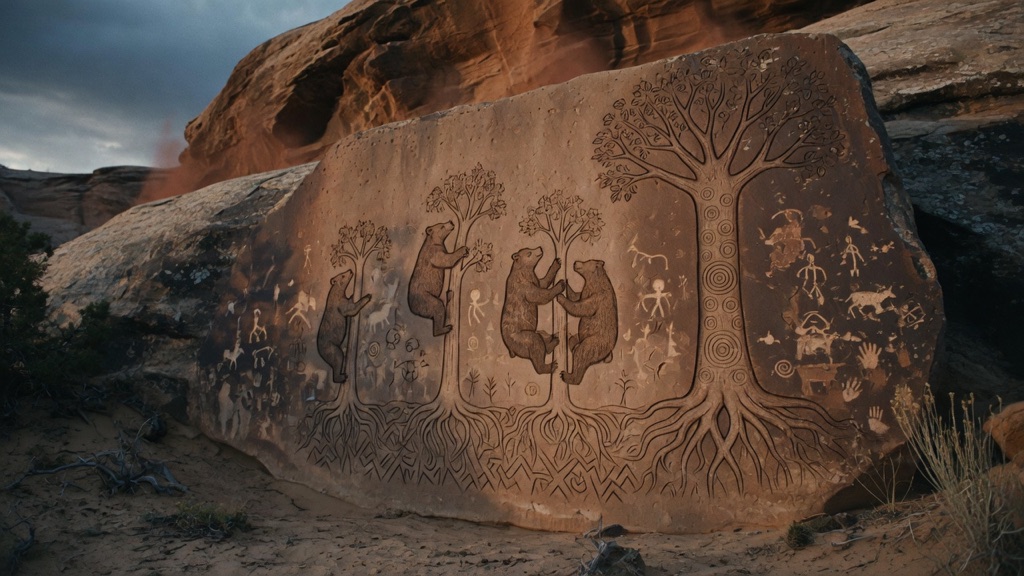 Shavano Valley Rock Art Site
Five and a half miles west of Montrose, a sandstone cliff on the Uncompahgre Plateau carries twenty-six panels of rock art — Archaic hunters started pecking around 1000 BC and Utes kept going until about 1881. One panel, six and a half feet by twelve, shows three bears climbing trees: the Bear Dance origin story, carved beside a cosmic tree whose roots reach the underworld. The Archaeological Conservancy owns the land now, and the only way in is behind a docent from the Ute Indian Museum.
Shavano Valley Rock Art Site
Five and a half miles west of Montrose, a sandstone cliff on the Uncompahgre Plateau carries twenty-six panels of rock art — Archaic hunters started pecking around 1000 BC and Utes kept going until about 1881. One panel, six and a half feet by twelve, shows three bears climbing trees: the Bear Dance origin story, carved beside a cosmic tree whose roots reach the underworld. The Archaeological Conservancy owns the land now, and the only way in is behind a docent from the Ute Indian Museum.
-
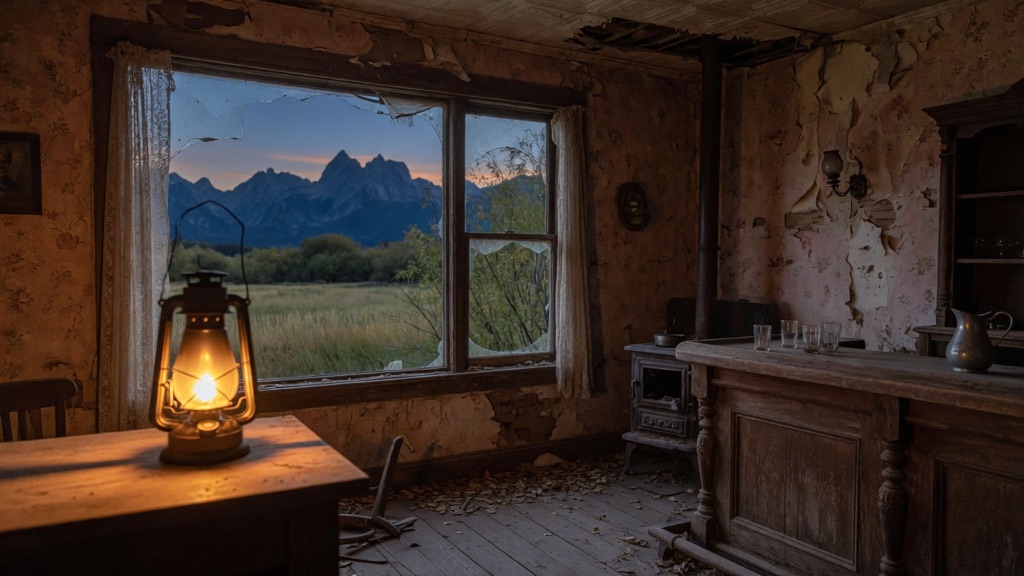 Ashcroft Ghost Town
Eleven miles up Castle Creek Road from Aspen, Ashcroft once outpaced its neighbor. Silver was struck in 1880, and within three years the town held roughly 2,000 residents, two newspapers, a school, and 20 saloons. The Tam O'Shanter Mine pulled ore so rich — up to 14,000 ounces of silver per ton — that silver baron Horace "Haw" Tabor bought in and threw a party. When the railroads stopped at Aspen in 1887–88 and the shallow veins ran out, the town emptied fast. Today the Aspen Historical Society maintains the preserved townsite on behalf of the Forest Service: a hotel shell, a saloon, a post office, interpretive signs, and almost nothing else — just wind, willows, and the Elk Mountains rising straight up behind it.
Ashcroft Ghost Town
Eleven miles up Castle Creek Road from Aspen, Ashcroft once outpaced its neighbor. Silver was struck in 1880, and within three years the town held roughly 2,000 residents, two newspapers, a school, and 20 saloons. The Tam O'Shanter Mine pulled ore so rich — up to 14,000 ounces of silver per ton — that silver baron Horace "Haw" Tabor bought in and threw a party. When the railroads stopped at Aspen in 1887–88 and the shallow veins ran out, the town emptied fast. Today the Aspen Historical Society maintains the preserved townsite on behalf of the Forest Service: a hotel shell, a saloon, a post office, interpretive signs, and almost nothing else — just wind, willows, and the Elk Mountains rising straight up behind it.
-
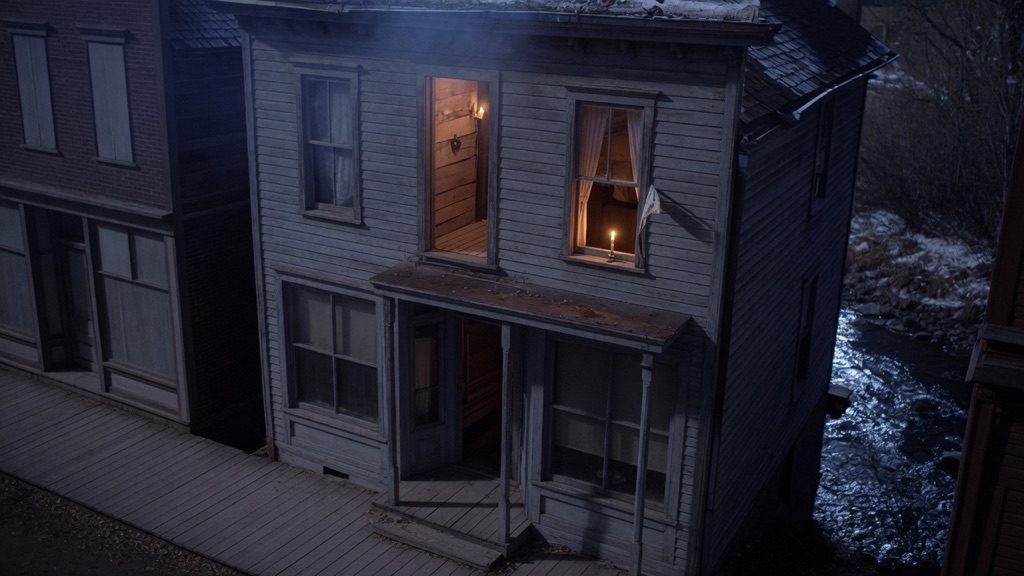 Forest Queen Hotel
The Forest Queen Hotel occupies a narrow, two-story Victorian wood-frame building at the center of Elk Avenue that has stood since 1881, when it opened as a brothel. Seven rooms on the upper floor retain original plank floors and period details; the Coal Creek Grill bar occupied the ground level. The hotel's documented ghost is Elizabeth, a madam who in 1884 lost her life savings to a gambler at the adjacent Kochevars Saloon and then jumped from the second-story room #4 into Coal Creek below. Rooms #2, #3, and #4 carry the heaviest reputation — guests have reported shaking beds, disembodied boot-steps in hallways, and cigar smoke with no visible source. The hotel's own house rules banned Ouija boards "for the comfort of other guests."
Forest Queen Hotel
The Forest Queen Hotel occupies a narrow, two-story Victorian wood-frame building at the center of Elk Avenue that has stood since 1881, when it opened as a brothel. Seven rooms on the upper floor retain original plank floors and period details; the Coal Creek Grill bar occupied the ground level. The hotel's documented ghost is Elizabeth, a madam who in 1884 lost her life savings to a gambler at the adjacent Kochevars Saloon and then jumped from the second-story room #4 into Coal Creek below. Rooms #2, #3, and #4 carry the heaviest reputation — guests have reported shaking beds, disembodied boot-steps in hallways, and cigar smoke with no visible source. The hotel's own house rules banned Ouija boards "for the comfort of other guests."
-
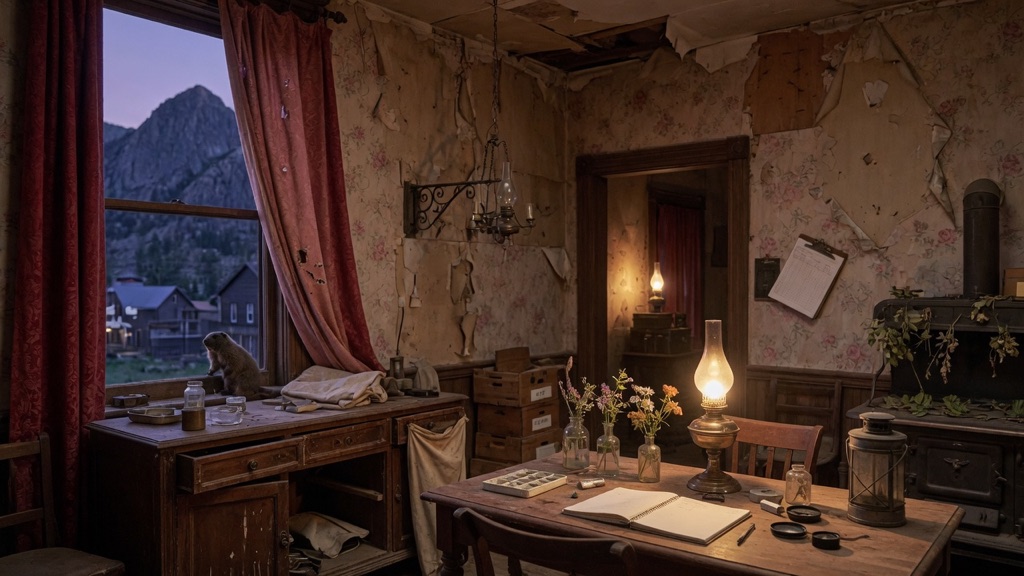 Gothic Townsite & Rocky Mountain Biological Laboratory
Gothic boomed in 1879 after the Jennings brothers struck wire silver at the Sylvanite lode, swelling to nearly 5,000 residents and 400 buildings — eight saloons, a newspaper, a dance hall — before the 1893 silver crash erased it almost overnight. The ghost town sat quiet until 1928, when a botanist named John C. Johnson repurposed the ruins as a field station. Today RMBL hosts around 200 researchers every summer, living in the patched-up Victorian cabins and running experiments out of what was once the Gothic Hotel. At 9,514 feet, marmots commute across the dirt lanes between the scientists' gear, and the mountain that gave the town its name — a sheer granite wall rising 2,000 feet from the valley floor — presides over everything.
Gothic Townsite & Rocky Mountain Biological Laboratory
Gothic boomed in 1879 after the Jennings brothers struck wire silver at the Sylvanite lode, swelling to nearly 5,000 residents and 400 buildings — eight saloons, a newspaper, a dance hall — before the 1893 silver crash erased it almost overnight. The ghost town sat quiet until 1928, when a botanist named John C. Johnson repurposed the ruins as a field station. Today RMBL hosts around 200 researchers every summer, living in the patched-up Victorian cabins and running experiments out of what was once the Gothic Hotel. At 9,514 feet, marmots commute across the dirt lanes between the scientists' gear, and the mountain that gave the town its name — a sheer granite wall rising 2,000 feet from the valley floor — presides over everything.
-
 Independence Ghost Town
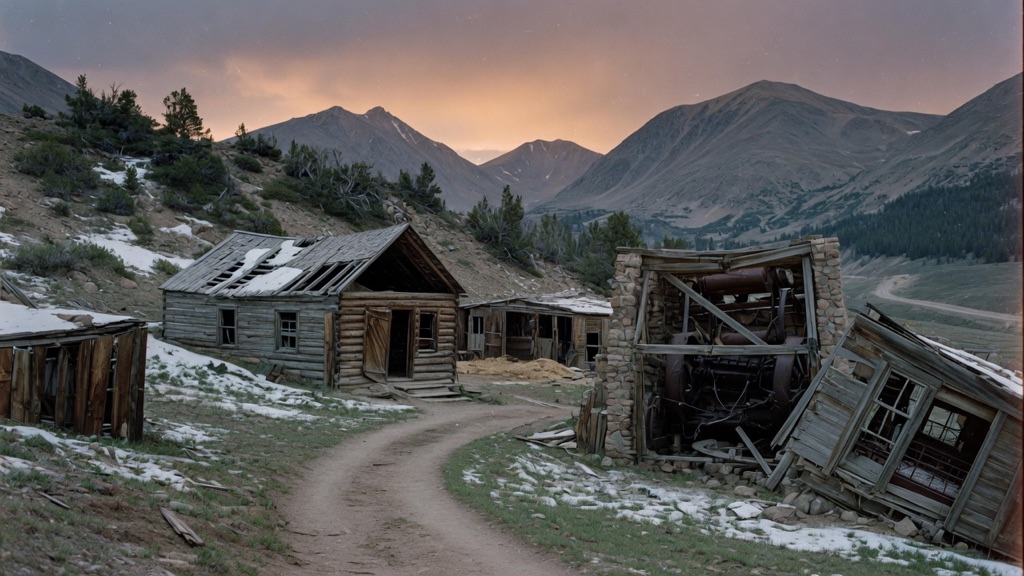
Prospectors struck gold here on July 4, 1879, and within three years more than forty businesses — three saloons, four grocery stores, boarding houses — crowded a canyon shelf at 10,900 feet. The boom burned out by 1883 when the shallow ore pinched off; most residents drifted down to the silver bonanza in Aspen. The rump population of a few dozen finally fled in the winter of 1899 when record snowfall cut the supply roads and food ran out — they spent three days lashing together 75 pairs of skis from cabin planks and escaped en masse. What the Aspen Historical Society has stabilized includes a log-cabin general store, a stable, two boarding houses in various states of collapse, and the Farwell Stamp Mill used to crush ore, all connected by a short dirt path with interpretive signs.
Independence Ghost Town
Prospectors struck gold here on July 4, 1879, and within three years more than forty businesses — three saloons, four grocery stores, boarding houses — crowded a canyon shelf at 10,900 feet. The boom burned out by 1883 when the shallow ore pinched off; most residents drifted down to the silver bonanza in Aspen. The rump population of a few dozen finally fled in the winter of 1899 when record snowfall cut the supply roads and food ran out — they spent three days lashing together 75 pairs of skis from cabin planks and escaped en masse. What the Aspen Historical Society has stabilized includes a log-cabin general store, a stable, two boarding houses in various states of collapse, and the Farwell Stamp Mill used to crush ore, all connected by a short dirt path with interpretive signs.
-
 Montanya Distillers
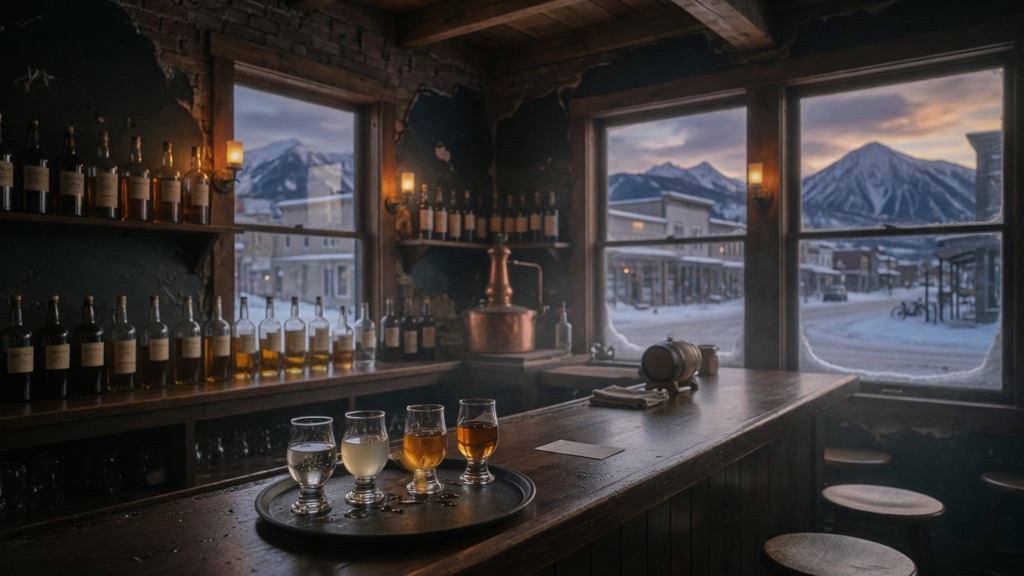
Rum and mountains don't usually share a sentence, but Montanya has been proving that wrong since it landed in Crested Butte in 2011. The tasting room sits on Elk Avenue at 8,900 feet — the highest-elevation rum distillery in the country — where snowmelt water and wild temperature swings do things to a barrel that no Caribbean producer can replicate. Their Platino is clear and funky enough to rival a fine blanco tequila; the Valentia, aged four years and finished in rye casks, comes out with a spicy whiskey edge that makes you rethink what rum can be. The copper pot still and fermentation tanks live a short drive away at a separate warehouse facility, and distillery tours can be arranged by appointment.
Montanya Distillers
Rum and mountains don't usually share a sentence, but Montanya has been proving that wrong since it landed in Crested Butte in 2011. The tasting room sits on Elk Avenue at 8,900 feet — the highest-elevation rum distillery in the country — where snowmelt water and wild temperature swings do things to a barrel that no Caribbean producer can replicate. Their Platino is clear and funky enough to rival a fine blanco tequila; the Valentia, aged four years and finished in rye casks, comes out with a spicy whiskey edge that makes you rethink what rum can be. The copper pot still and fermentation tanks live a short drive away at a separate warehouse facility, and distillery tours can be arranged by appointment.
-
 Packer Saloon & Cannibal Grill
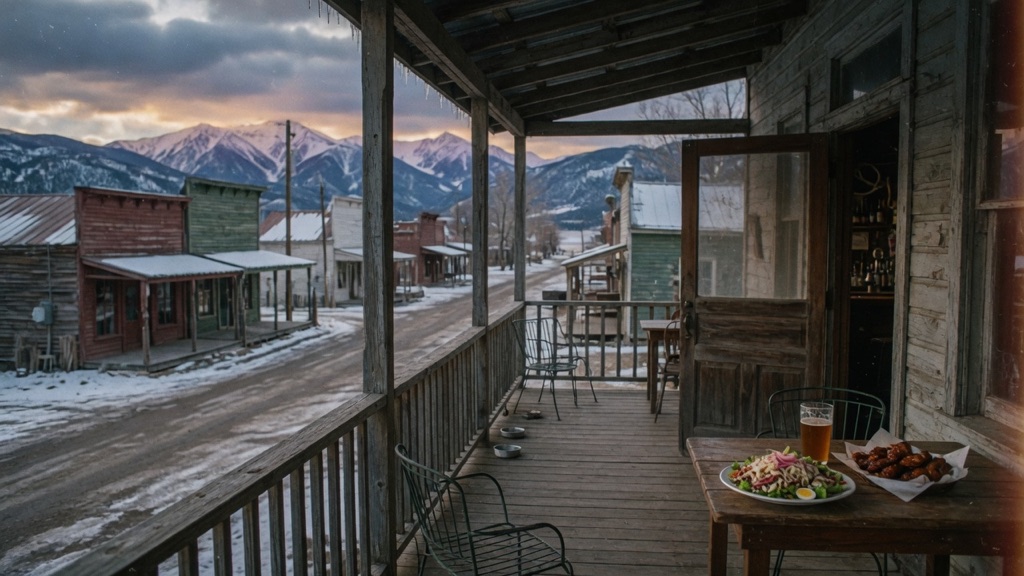
In 1874, Alferd Packer led five prospectors into the San Juan Mountains during a brutal Colorado winter and emerged alone — and well-fed. He was tried and convicted at the Hinsdale County Courthouse a short walk from where you're now sitting. The Packer Saloon leans all the way into that legacy: tagline "Alferd Killed 'Em, We Grilled 'Em," a menu featuring the Cannibal Salad and the Lake Fork Philly, and a porch overlooking the same Silver Street where Packer was once sentenced to hang. Lake City itself is the seat of Hinsdale County — the most remote county in the lower 48, with a population under 800 — which gives the whole enterprise a genuinely frontier-weird atmosphere that no manufactured theme bar could replicate.
Packer Saloon & Cannibal Grill
In 1874, Alferd Packer led five prospectors into the San Juan Mountains during a brutal Colorado winter and emerged alone — and well-fed. He was tried and convicted at the Hinsdale County Courthouse a short walk from where you're now sitting. The Packer Saloon leans all the way into that legacy: tagline "Alferd Killed 'Em, We Grilled 'Em," a menu featuring the Cannibal Salad and the Lake Fork Philly, and a porch overlooking the same Silver Street where Packer was once sentenced to hang. Lake City itself is the seat of Hinsdale County — the most remote county in the lower 48, with a population under 800 — which gives the whole enterprise a genuinely frontier-weird atmosphere that no manufactured theme bar could replicate.
-
 Tincup Cemetery
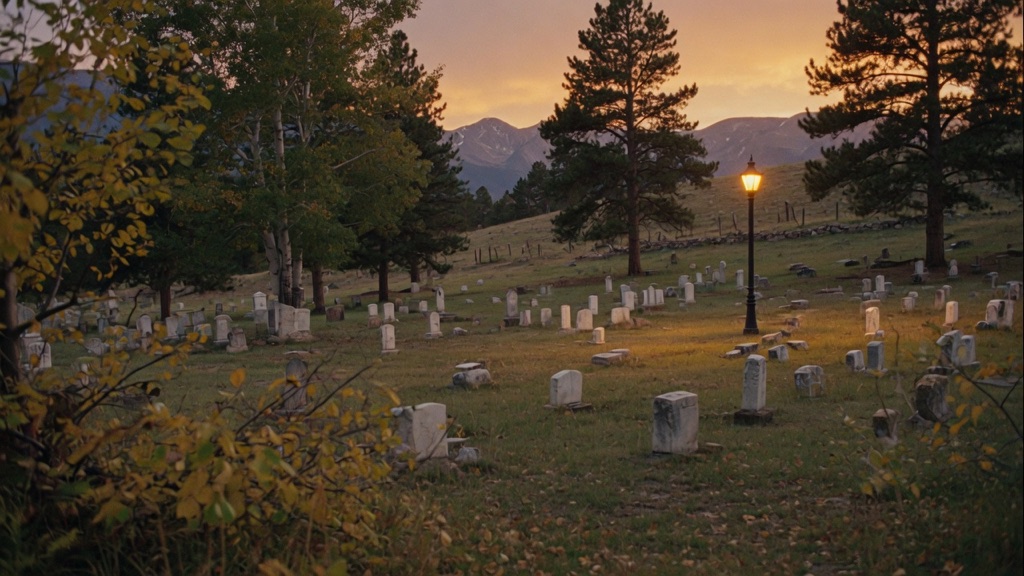
Perched at 10,158 feet in Taylor Park, Tincup's 1879 cemetery occupies four separate treeless knolls, each assigned by creed or circumstance. Protestant, Catholic, and Jewish sections hold pioneers, stillborn twins, and a centenarian who recorded -52°F in 1895. Boot Hill — tree-covered with panoramic views — takes the gamblers, the godless, and the shot. Harry Rivers, the town marshal killed by a saloon patron in 1882, is here. So is Black Jack Cameron, whose missing wooden marker allegedly read: "Here Lies Black Jack Cameron / He Held Five Aces." The six-grave Jewish knoll holds four Harris infants and two Klauber boys, none older than twelve days to five years. Roughly ninety burials in all, markers ranging from inscribed stone to sticks and rocks.
Tincup Cemetery
Perched at 10,158 feet in Taylor Park, Tincup's 1879 cemetery occupies four separate treeless knolls, each assigned by creed or circumstance. Protestant, Catholic, and Jewish sections hold pioneers, stillborn twins, and a centenarian who recorded -52°F in 1895. Boot Hill — tree-covered with panoramic views — takes the gamblers, the godless, and the shot. Harry Rivers, the town marshal killed by a saloon patron in 1882, is here. So is Black Jack Cameron, whose missing wooden marker allegedly read: "Here Lies Black Jack Cameron / He Held Five Aces." The six-grave Jewish knoll holds four Harris infants and two Klauber boys, none older than twelve days to five years. Roughly ninety burials in all, markers ranging from inscribed stone to sticks and rocks.
-
 Woody Creek Tavern
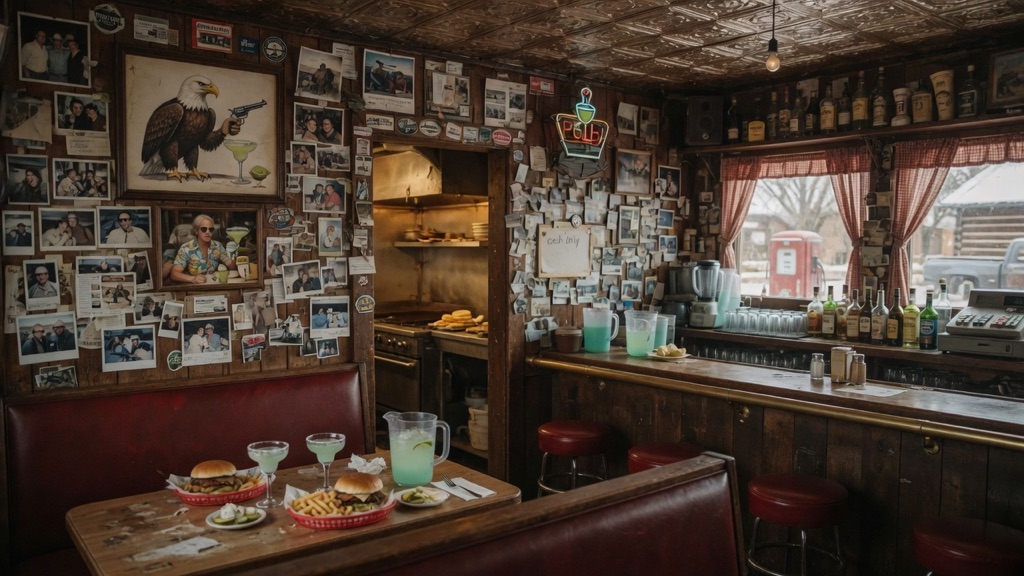
A 1940s log-cabin former general store and filling station six miles down-valley from Aspen, the Woody Creek Tavern opened in 1980 and never changed its posture: cash only, no reservations, and a pressed-tin ceiling that ricochets noise from a crowd of ski patrollers, ranchers, and the occasional celebrity. Polaroids and decades of memorabilia plaster every surface, the densest layer being Hunter S. Thompson ephemera — he was a regular until his death in 2005, and would call ahead to keep the bar open for himself alone. The kitchen runs a tight Mex-American card: bison burgers, chicken flautas rolled in corn tortillas, and margaritas made with blue agave that locals insist are the best in the valley.
Woody Creek Tavern
A 1940s log-cabin former general store and filling station six miles down-valley from Aspen, the Woody Creek Tavern opened in 1980 and never changed its posture: cash only, no reservations, and a pressed-tin ceiling that ricochets noise from a crowd of ski patrollers, ranchers, and the occasional celebrity. Polaroids and decades of memorabilia plaster every surface, the densest layer being Hunter S. Thompson ephemera — he was a regular until his death in 2005, and would call ahead to keep the bar open for himself alone. The kitchen runs a tight Mex-American card: bison burgers, chicken flautas rolled in corn tortillas, and margaritas made with blue agave that locals insist are the best in the valley.
-
 Moody's Lounge
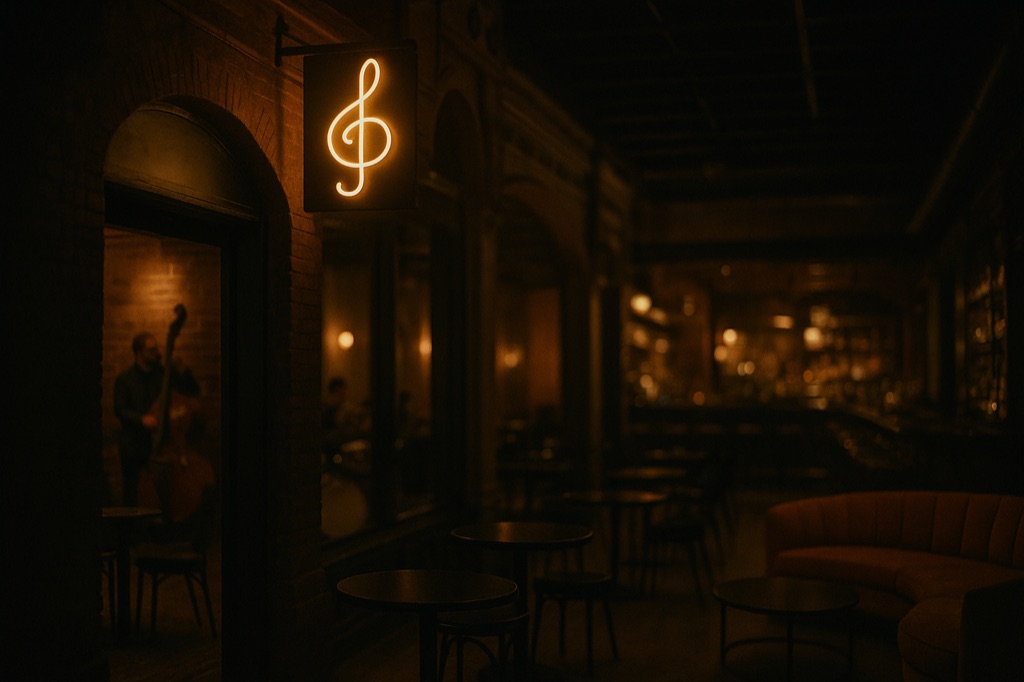
The only sign you're in the right place is a neon dal segno — that looping musical notation symbol — glowing outside a building most people walk past on Main Street without a second look. Inside, the 1920s bones of the old Kress building give way to black cocktail tables, an orange sofa, and a bar that leans hard into Old Fashioneds and Manhattans. Co-founder Logan Moody named the symbol intentionally: in sheet music it means "go back and play the section again," which is exactly what he wants you to do. Live jazz and local performers keep the room from feeling like a theme park version of Prohibition.
Moody's Lounge
The only sign you're in the right place is a neon dal segno — that looping musical notation symbol — glowing outside a building most people walk past on Main Street without a second look. Inside, the 1920s bones of the old Kress building give way to black cocktail tables, an orange sofa, and a bar that leans hard into Old Fashioneds and Manhattans. Co-founder Logan Moody named the symbol intentionally: in sheet music it means "go back and play the section again," which is exactly what he wants you to do. Live jazz and local performers keep the room from feeling like a theme park version of Prohibition.
-
 Dogwood Cocktail Cabin
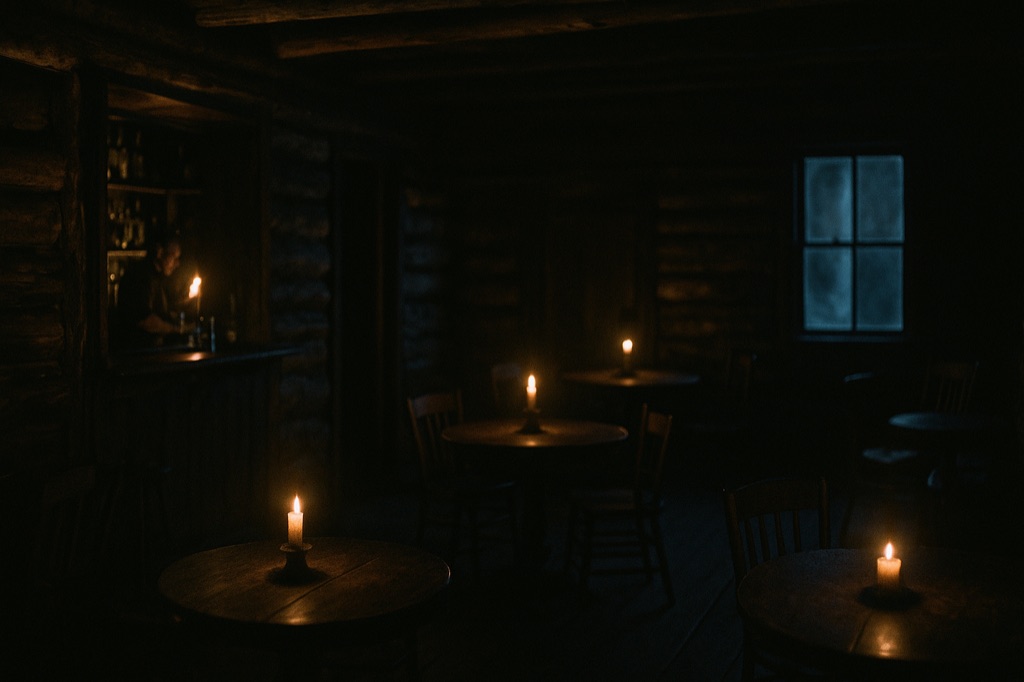
The 60-odd miners killed in the 1884 Jokerville Mine explosion apparently never quite left this 1891 bunkhouse turned candlelit cocktail bar — guests consistently photograph anomalies in the low light that staff attribute to former residents. Objects shift overnight, sounds arrive without sources, and the whole place smells of old timber and whatever the bartender just torched. It sits one block off Elk Avenue, easy to miss, which is part of the point.
Dogwood Cocktail Cabin
The 60-odd miners killed in the 1884 Jokerville Mine explosion apparently never quite left this 1891 bunkhouse turned candlelit cocktail bar — guests consistently photograph anomalies in the low light that staff attribute to former residents. Objects shift overnight, sounds arrive without sources, and the whole place smells of old timber and whatever the bartender just torched. It sits one block off Elk Avenue, easy to miss, which is part of the point.
-
 Bad Harriet at Hotel Jerome
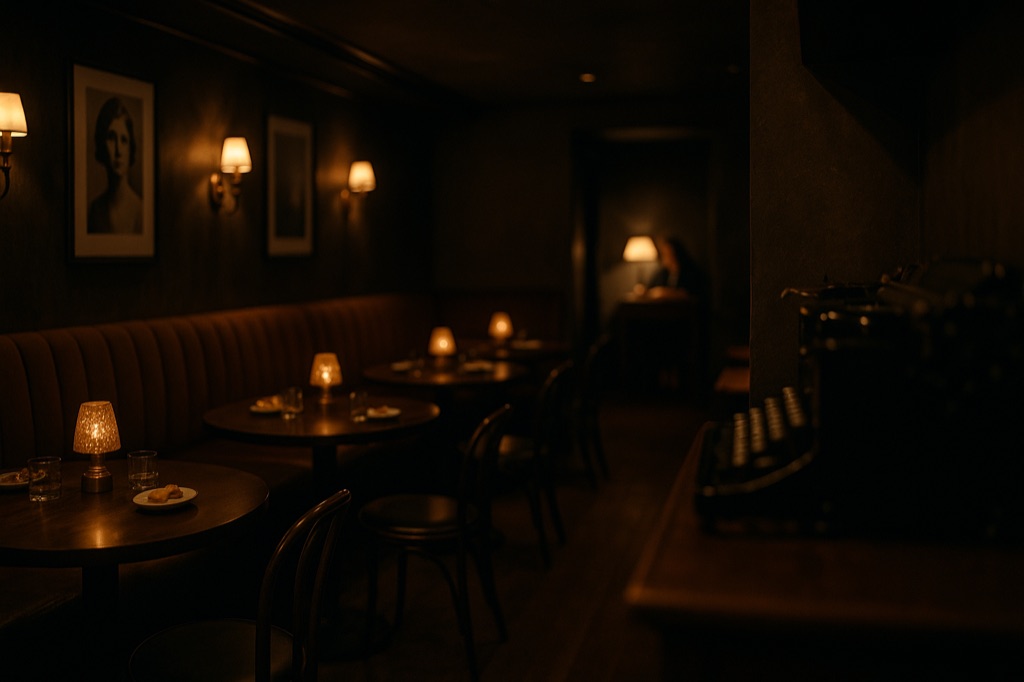
The front door stays locked — you knock, a woman at a solitary desk looks you over, and then you're directed down into a basement speakeasy named for Harriet Wheeler, wife of the Hotel Jerome's founder, whose well-behaved reputation this place cheerfully torches. The Art Deco room runs dark: banquettes, black-and-white portraits, a row of antique manual typewriters near the entrance, and cocktails organized into tiers called Class, Power, and Sins. Bite-sized plates — foie gras macarons, crab tots — arrive in small waves. The glassware is sourced from auctions and antique houses, some pieces dating to 1881.
Bad Harriet at Hotel Jerome
The front door stays locked — you knock, a woman at a solitary desk looks you over, and then you're directed down into a basement speakeasy named for Harriet Wheeler, wife of the Hotel Jerome's founder, whose well-behaved reputation this place cheerfully torches. The Art Deco room runs dark: banquettes, black-and-white portraits, a row of antique manual typewriters near the entrance, and cocktails organized into tiers called Class, Power, and Sins. Bite-sized plates — foie gras macarons, crab tots — arrive in small waves. The glassware is sourced from auctions and antique houses, some pieces dating to 1881.
Hidden bars & speakeasies in Grand Junction — FAQ
How do you get into the hidden bars in Grand Junction?
Usually a door with no sign, a reservation, or knowing what to ask for — each listing spells out its own entry move. At Phelanies, for example: Dig the current password out of their Facebook page on the drive down, then ring the alley bell behind the pawnshop and whisper it through the hatch together.
Which hidden bars & speakeasies in Grand Junction are the strangest?
Ranked by how strange they actually are: Manhattan Project, Phelanies and Ashcroft Ghost Town. Manhattan Project — Handlebar Tap House looks like a post-ride beer stop — 24 taps, bikes everywhere.
Where in Grand Junction are they?
Across Grand Junction, Montrose, Cedaredge, Aspen and Crested Butte and 4 more. Each listing gives the neighborhood and address so you can cluster a couple into one outing.
Are any of the hidden bars & speakeasies in Grand Junction free?
Yes — 2 are free to visit, including Shavano Valley Rock Art Site and Gothic Townsite & Rocky Mountain Biological Laboratory. The rest are mostly low-cost.
Is this a good weird date in Grand Junction?
That's what the list is built for. Every entry has a specific move rather than a vague recommendation — at Manhattan Project, for instance: Order a beer downstairs at Handlebar, tell your date there's a second bar somewhere in the building, and race to find the buzzer behind the bookshelf — loser buys the first round of Manhattans.
How were these hidden bars & speakeasies chosen?
An agentic research system digs for the genuinely obscure — the spots even locals miss — and every one is verified against real sources before it makes the list. We deliberately skip the landmarks already on every Grand Junction guide.