After dark & night sky things to do in Washington, D.C.
After-dark and night-sky things to do in Washington, D.C.: 5 of them, from Turner Farm Observatory (Analemma Society), George Mason University Observatory and Rock Creek Park Nature Center and Planetarium. Late-opening oddities, dark-sky spots and places that only make sense once the sun is down. They spread across Great Falls, VA, Fairfax, VA, Rock Creek Park, Washington, DC, Rosslyn, Arlington, VA and 1 more area, so two or three can make a whole afternoon. Every entry is hand-vetted against real sources — not scraped off a top-ten list or averaged out of crowd ratings.
-
 Turner Farm Observatory (Analemma Society)
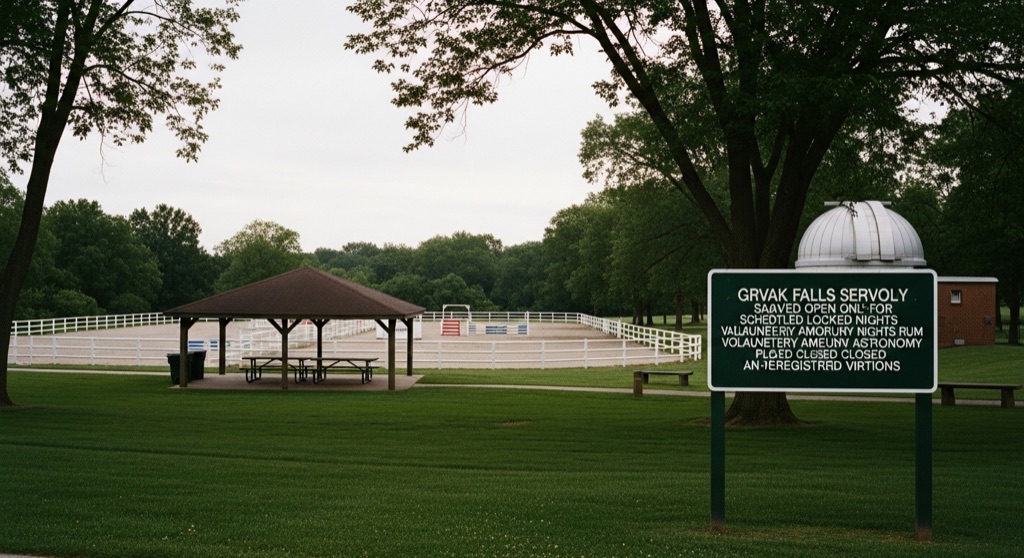
A working county park with equestrian rings and a picnic pavilion also hides a locked observatory compound that only opens for scheduled astronomy nights — the volunteer amateur astronomers of the Analemma Society run it for Fairfax County, and there's no walking up unannounced; the observatory zone stays closed to everyone except registered program-goers.
Turner Farm Observatory (Analemma Society)
A working county park with equestrian rings and a picnic pavilion also hides a locked observatory compound that only opens for scheduled astronomy nights — the volunteer amateur astronomers of the Analemma Society run it for Fairfax County, and there's no walking up unannounced; the observatory zone stays closed to everyone except registered program-goers.
-
 George Mason University Observatory
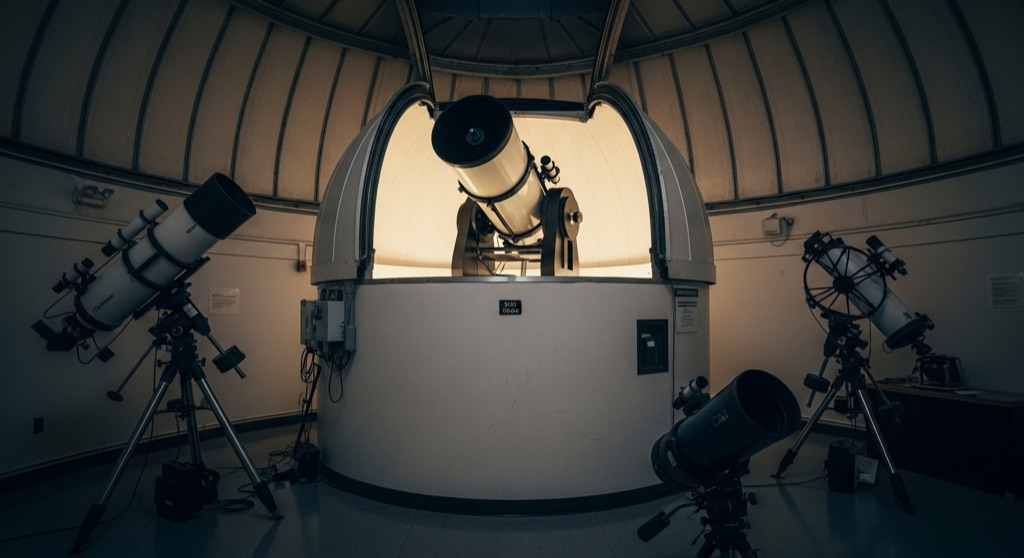
Above a university research building sits a 32-inch Ritchey-Chretien reflector — one of the largest campus telescopes on the East Coast open to the public — alongside a 152mm hydrogen-alpha solar scope, a 16-inch Dobsonian, and a CCD camera rig, all free to walk up and use, no ticket or reservation required, on public nights (Mondays, Wednesdays, and Saturdays) through the academic year, weather permitting.
George Mason University Observatory
Above a university research building sits a 32-inch Ritchey-Chretien reflector — one of the largest campus telescopes on the East Coast open to the public — alongside a 152mm hydrogen-alpha solar scope, a 16-inch Dobsonian, and a CCD camera rig, all free to walk up and use, no ticket or reservation required, on public nights (Mondays, Wednesdays, and Saturdays) through the academic year, weather permitting.
-
 Rock Creek Park Nature Center and Planetarium
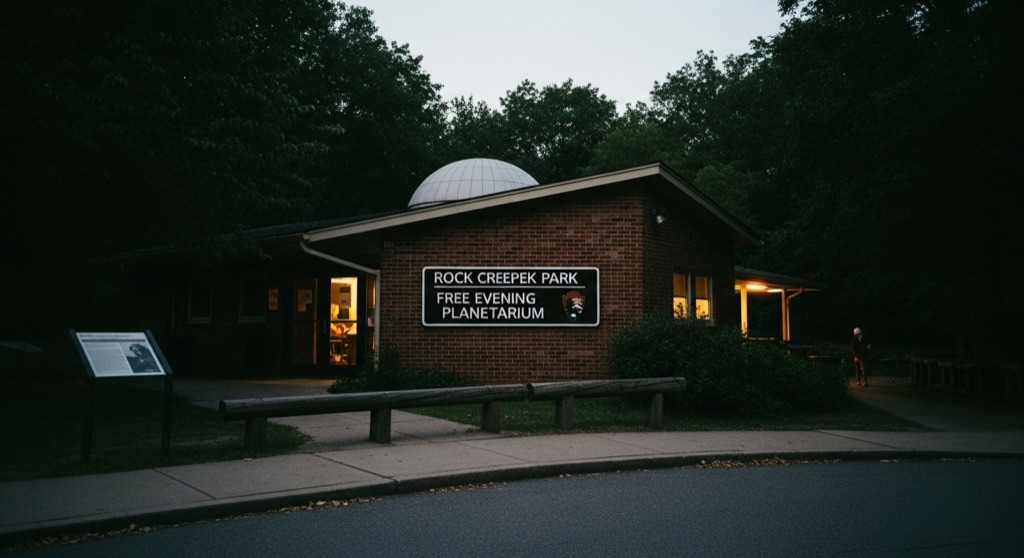
The only planetarium in the entire National Park Service system is squeezed into a modest brick nature center in the middle of Rock Creek Park, sharing the building with a live eastern box turtle, a bird-observation deck, and a kids' Discovery Room — a free dome show a few miles from the monuments that almost nobody associates with the NPS.
Rock Creek Park Nature Center and Planetarium
The only planetarium in the entire National Park Service system is squeezed into a modest brick nature center in the middle of Rock Creek Park, sharing the building with a live eastern box turtle, a bird-observation deck, and a kids' Discovery Room — a free dome show a few miles from the monuments that almost nobody associates with the NPS.
-
 Dark Star Park
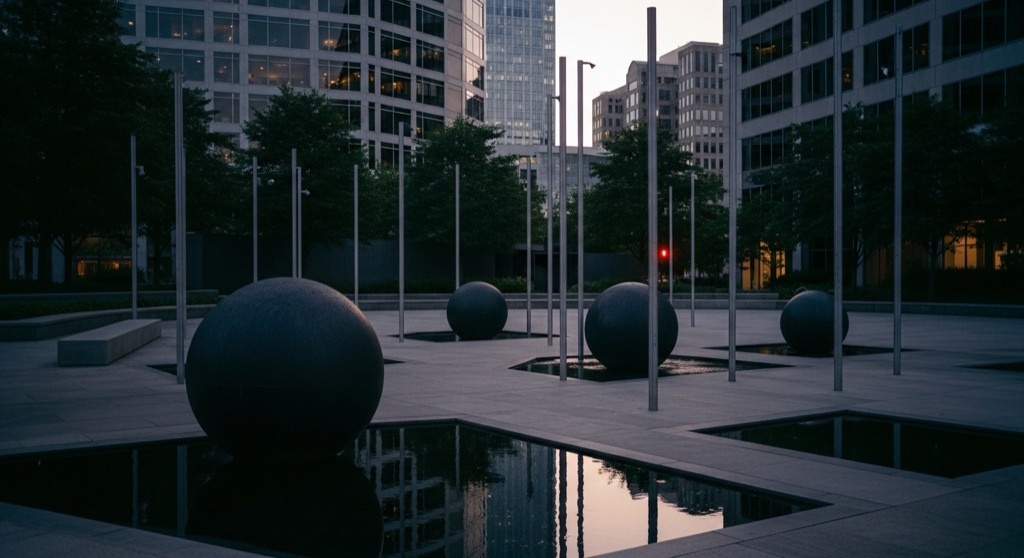
Five dark concrete spheres, two reflecting pools, and steel poles fill a two-thirds-acre plaza that artist Nancy Holt built specifically so its shadows would only line up with painted marks on the asphalt once a year — 9:32 a.m. on August 1, the anniversary of the date the land was first purchased in 1860. Holt called the spheres "stars that have fallen to the ground — they no longer shine."
Dark Star Park
Five dark concrete spheres, two reflecting pools, and steel poles fill a two-thirds-acre plaza that artist Nancy Holt built specifically so its shadows would only line up with painted marks on the asphalt once a year — 9:32 a.m. on August 1, the anniversary of the date the land was first purchased in 1860. Holt called the spheres "stars that have fallen to the ground — they no longer shine."
-
 Sky Meadows State Park
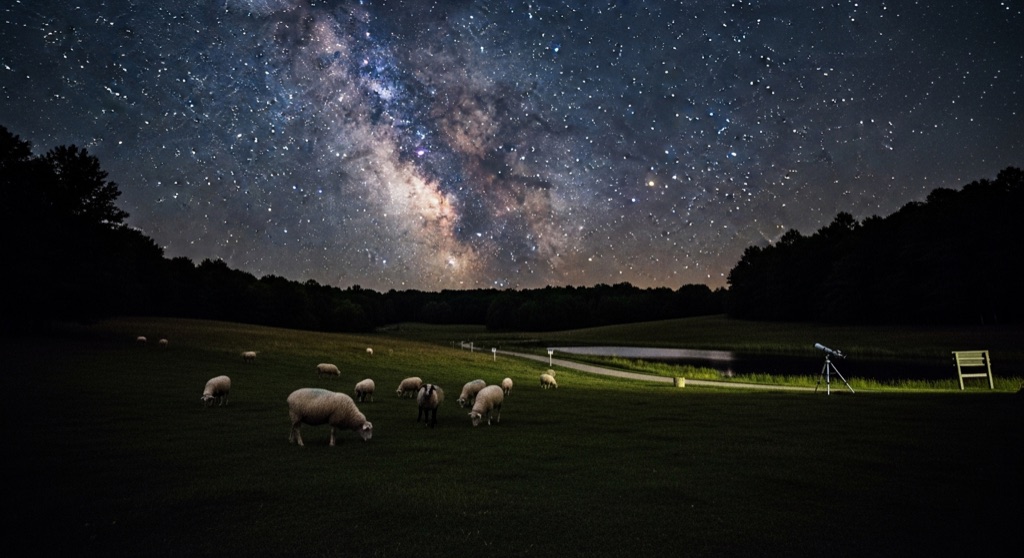
An International Dark Sky Park an hour past the DC exurbs, where volunteer astronomers set up telescopes for scheduled star parties — and on any other clear night, visitors are permitted to walk out to Turner Pond, the park's designated dark-sky viewing spot, and stay until 2 a.m. watching the Milky Way over sheep pasture, for a $10 parking fee.
Sky Meadows State Park
An International Dark Sky Park an hour past the DC exurbs, where volunteer astronomers set up telescopes for scheduled star parties — and on any other clear night, visitors are permitted to walk out to Turner Pond, the park's designated dark-sky viewing spot, and stay until 2 a.m. watching the Milky Way over sheep pasture, for a $10 parking fee.
After dark & night sky things to do in Washington, D.C. — FAQ
What is there to do late at night in Washington, D.C. besides bars?
Turner Farm Observatory (Analemma Society), George Mason University Observatory and Rock Creek Park Nature Center and Planetarium — 5 spots that only make sense after dark, 5 of them outdoors under the actual night sky. None of them are just a bar with the lights down.
Which after-dark & night-sky spots in Washington, D.C. are the strangest?
Ranked by how strange they actually are: Turner Farm Observatory (Analemma Society), George Mason University Observatory and Rock Creek Park Nature Center and Planetarium. Turner Farm Observatory (Analemma Society) — A working county park with equestrian rings and a picnic pavilion also hides a locked observatory compound that only opens for scheduled astronomy nights — the volunteer amateur astronomers of the Analemma Society run it for Fairfax County, and there's no walking up unannounced; the observatory zone stays closed to everyone except registered program-goers.
Where in Washington, D.C. are they?
Across Great Falls, VA, Fairfax, VA, Rock Creek Park, Washington, DC, Rosslyn, Arlington, VA and Delaplane, VA. Each listing gives the neighborhood and address so you can cluster a couple into one outing.
Is this a good weird date in Washington, D.C.?
That's what the list is built for. Every entry has a specific move rather than a vague recommendation — at Turner Farm Observatory (Analemma Society), for instance: Register in advance for a night sky tour or planetary session, then, if you want more time under the stars afterward, get a Night Viewing Permit and keep stargazing from the parking lot until you're ready to leave.
How were these after-dark & night-sky spots chosen?
An agentic research system digs for the genuinely obscure — the spots even locals miss — and every one is verified against real sources before it makes the list. We deliberately skip the landmarks already on every Washington, D.C. guide.