Abandoned places in Boulder
15 abandoned and forgotten places around Boulder, Crags Hotel Ruins at Rattlesnake Gulch, Devil's Slide Trestles (Rollins Pass) and Ward Ghost Town (Old Ward) among them — and for each one, whether you can legally visit. Ruins, ghost towns and shuttered industry, with the ones that are trespassing or genuinely unsafe marked as such rather than romanticised. They spread across Boulder, Ward, Gold Hill, Estes Park and 8 more areas, so two or three can make a whole afternoon. 14 of them cost nothing. Every entry is hand-vetted against real sources — not scraped off a top-ten list or averaged out of crowd ratings.
Every abandoned place we've verified, nationwide — with its legal-access status →
-
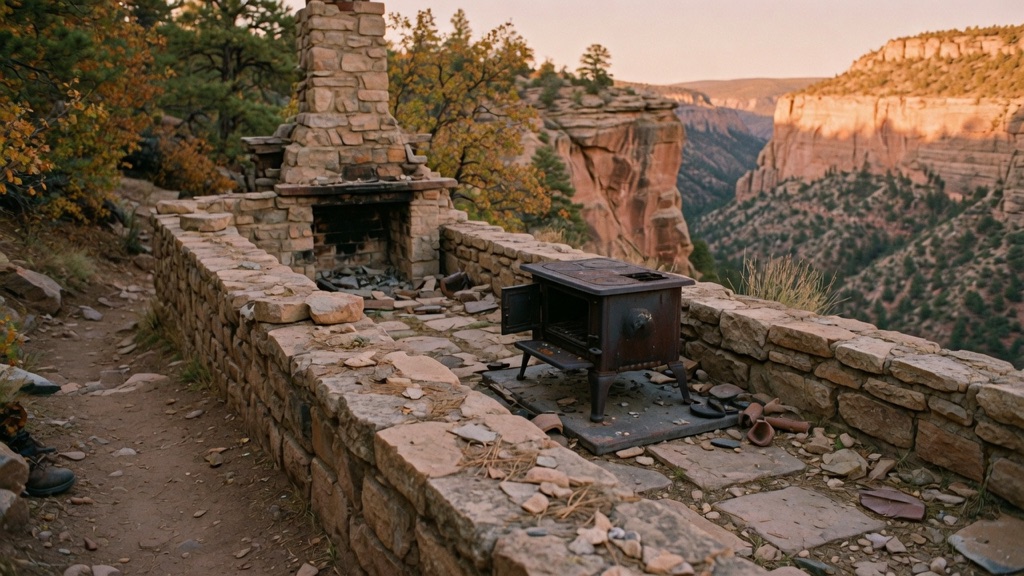 Crags Hotel Ruins at Rattlesnake GulchOpen to visit
In 1908, the Hotel Crags opened as a grand resort perched 800 feet above Eldorado Canyon, reachable by burro, an inclined tramway, and the Union Pacific's Moffat Road trains running day-trippers from Denver. The venture lasted only four years before fire consumed the wooden structure in 1912. What remains is startlingly tangible: a stone foundation, partial masonry walls, a cast-iron cook stove still sitting in the open air, fireplace remnants, and a rock retaining wall that once supported terraced grounds. Interpretive signs at the site explain the hotel's brief, ambitious life. The 1.4-mile Rattlesnake Gulch Trail climbs through scrub oak and sandstone to deliver you to one of Colorado's most evocative Gilded Age ruins.
Crags Hotel Ruins at Rattlesnake GulchOpen to visit
In 1908, the Hotel Crags opened as a grand resort perched 800 feet above Eldorado Canyon, reachable by burro, an inclined tramway, and the Union Pacific's Moffat Road trains running day-trippers from Denver. The venture lasted only four years before fire consumed the wooden structure in 1912. What remains is startlingly tangible: a stone foundation, partial masonry walls, a cast-iron cook stove still sitting in the open air, fireplace remnants, and a rock retaining wall that once supported terraced grounds. Interpretive signs at the site explain the hotel's brief, ambitious life. The 1.4-mile Rattlesnake Gulch Trail climbs through scrub oak and sandstone to deliver you to one of Colorado's most evocative Gilded Age ruins.
-
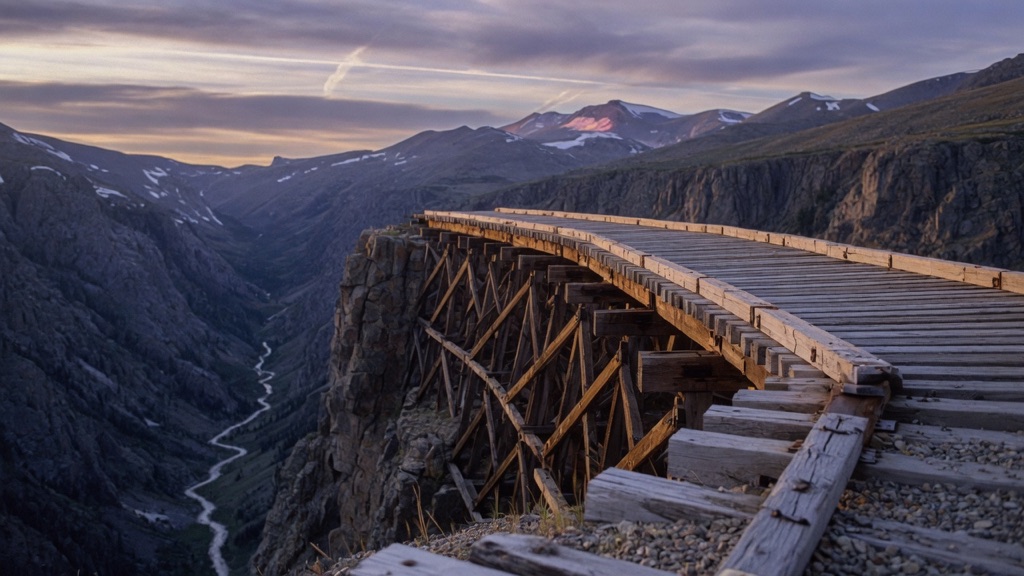 Devil's Slide Trestles (Rollins Pass)View only
Clinging to the edge of a cliff at 11,475 feet, the Devil's Slide Trestles are twin wooden railroad bridges built in 1904 as part of David Moffat's Denver, Northwestern & Pacific Railway — one of the highest standard-gauge railroads ever constructed in the United States. The 128-foot main trestle spans more than 1,000 feet above the South Fork of Middle Boulder Creek; the drop is so sheer that three Statues of Liberty stacked together still wouldn't reach the deck level. Trains ran this route until 1928, when the 6.3-mile Moffat Tunnel made the pass redundant. The tracks came out in 1938, the road followed in 1955, and a tunnel collapse in 1990 closed the route permanently to vehicles. What remains are the timber bents — built by 17 workers using footers carved into bare rock — still standing after 120 winters.
Devil's Slide Trestles (Rollins Pass)View only
Clinging to the edge of a cliff at 11,475 feet, the Devil's Slide Trestles are twin wooden railroad bridges built in 1904 as part of David Moffat's Denver, Northwestern & Pacific Railway — one of the highest standard-gauge railroads ever constructed in the United States. The 128-foot main trestle spans more than 1,000 feet above the South Fork of Middle Boulder Creek; the drop is so sheer that three Statues of Liberty stacked together still wouldn't reach the deck level. Trains ran this route until 1928, when the 6.3-mile Moffat Tunnel made the pass redundant. The tracks came out in 1938, the road followed in 1955, and a tunnel collapse in 1990 closed the route permanently to vehicles. What remains are the timber bents — built by 17 workers using footers carved into bare rock — still standing after 120 winters.
-
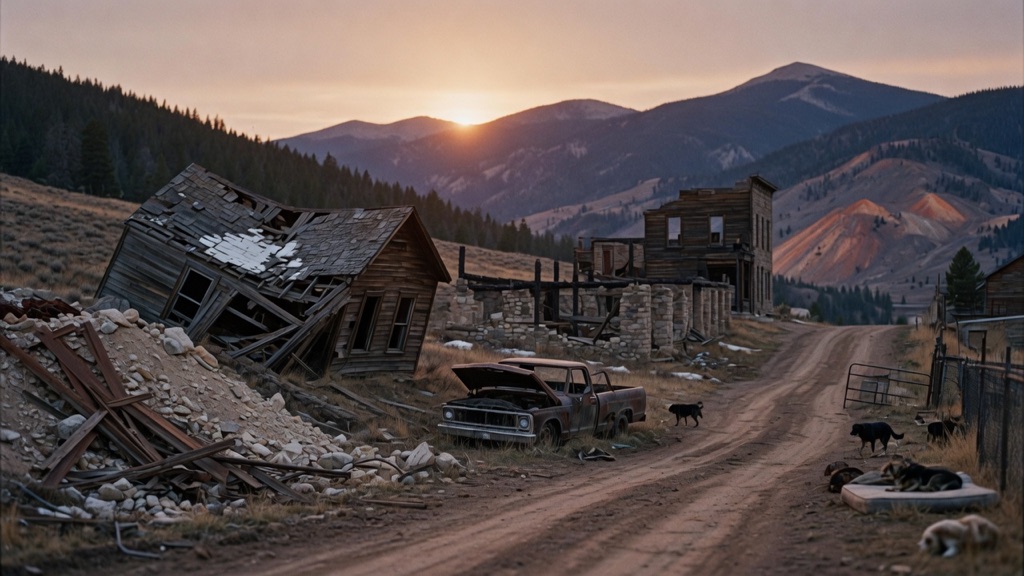 Ward Ghost Town (Old Ward)View only
Ward began as a silver and gold camp in 1860 when Calvin Ward staked his claim at a site called Miser's Dream. By the 1880s it ranked among the richest towns in Colorado, with one mine eventually pulling more than two million troy ounces of silver from the mountains. In January 1900, fire consumed over fifty buildings, but the mines were profitable enough that the town rebuilt almost immediately. Then the ore gave out. The rebuilt Ward shrank to a ghost of itself by the 1920s, and in the 1960s the remaining handful of year-round residents were joined by waves of hippies who came for the cheap land and the altitude. Their descendants still live here — about 128 people by the last census — in a town famous for its deliberate unwelcoming posture: derelict vehicles arranged roadside, dogs loose in the streets, and a long-running local tradition of removing directional road signs.
Ward Ghost Town (Old Ward)View only
Ward began as a silver and gold camp in 1860 when Calvin Ward staked his claim at a site called Miser's Dream. By the 1880s it ranked among the richest towns in Colorado, with one mine eventually pulling more than two million troy ounces of silver from the mountains. In January 1900, fire consumed over fifty buildings, but the mines were profitable enough that the town rebuilt almost immediately. Then the ore gave out. The rebuilt Ward shrank to a ghost of itself by the 1920s, and in the 1960s the remaining handful of year-round residents were joined by waves of hippies who came for the cheap land and the altitude. Their descendants still live here — about 128 people by the last census — in a town famous for its deliberate unwelcoming posture: derelict vehicles arranged roadside, dogs loose in the streets, and a long-running local tradition of removing directional road signs.
-
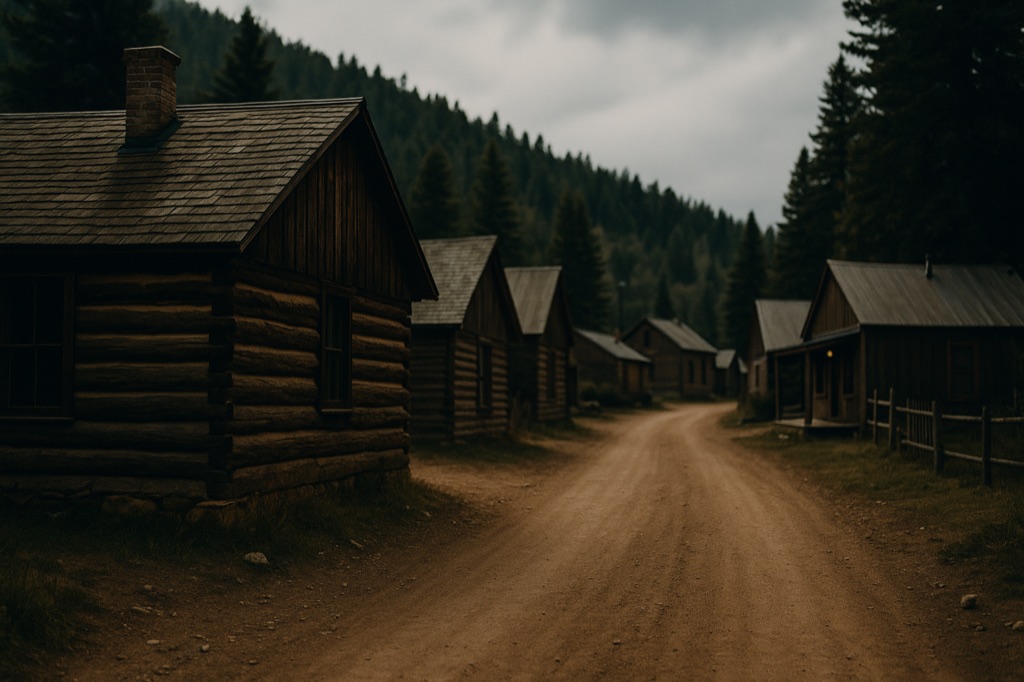 Gold Hill Historic District (Colorado's First Mining Town)View only
Gold Hill was platted on January 15, 1859 — seventeen years before Colorado became a state — making it the oldest permanent mountain mining settlement in the territory, and the people who live here would prefer you not make a big deal of it. At 8,300 feet, original 1860s log cabins line the unpaved main street as occupied private homes, not museum pieces: no interpretive signs, no visitor center, no gift shop, just a small general store and a handful of year-rounders who chose this on purpose. The whole town (population roughly 218) is listed on the National Register of Historic Places, which means the historic district is essentially every structure in sight, and none of them are roped off.
Gold Hill Historic District (Colorado's First Mining Town)View only
Gold Hill was platted on January 15, 1859 — seventeen years before Colorado became a state — making it the oldest permanent mountain mining settlement in the territory, and the people who live here would prefer you not make a big deal of it. At 8,300 feet, original 1860s log cabins line the unpaved main street as occupied private homes, not museum pieces: no interpretive signs, no visitor center, no gift shop, just a small general store and a handful of year-rounders who chose this on purpose. The whole town (population roughly 218) is listed on the National Register of Historic Places, which means the historic district is essentially every structure in sight, and none of them are roped off.
-
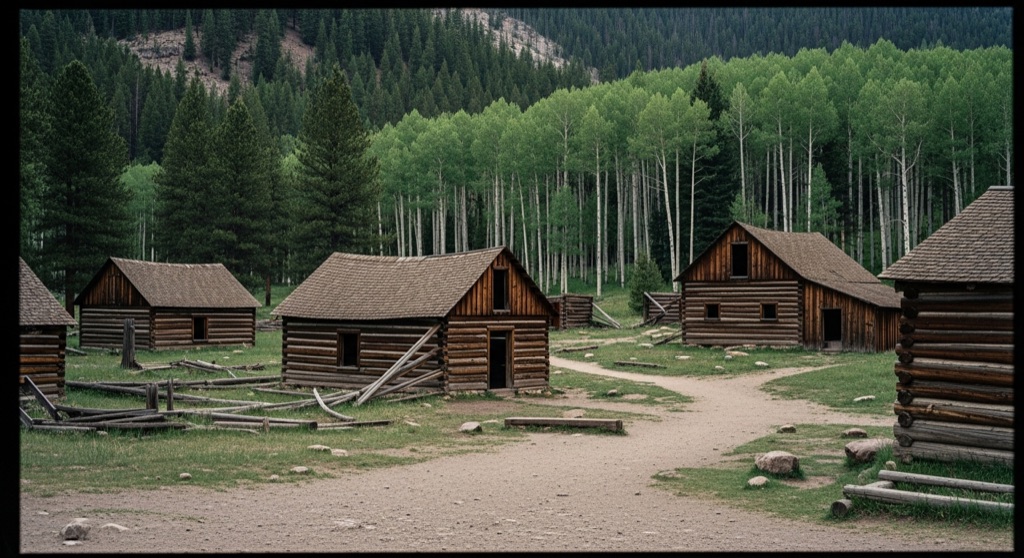 Homestead MeadowsOpen to visit
Located in the Roosevelt National Forest, Homestead Meadows is a historic district containing the ruins of eight late-19th-century ranches established under the Homestead Act of 1862. Abandoned by 1952, the site now features several weathered log cabins, barns, and remnants of an old sawmill. Visitors can explore these historic structures via a network of scenic hiking trails winding through pine and aspen forests.
Homestead MeadowsOpen to visit
Located in the Roosevelt National Forest, Homestead Meadows is a historic district containing the ruins of eight late-19th-century ranches established under the Homestead Act of 1862. Abandoned by 1952, the site now features several weathered log cabins, barns, and remnants of an old sawmill. Visitors can explore these historic structures via a network of scenic hiking trails winding through pine and aspen forests.
-
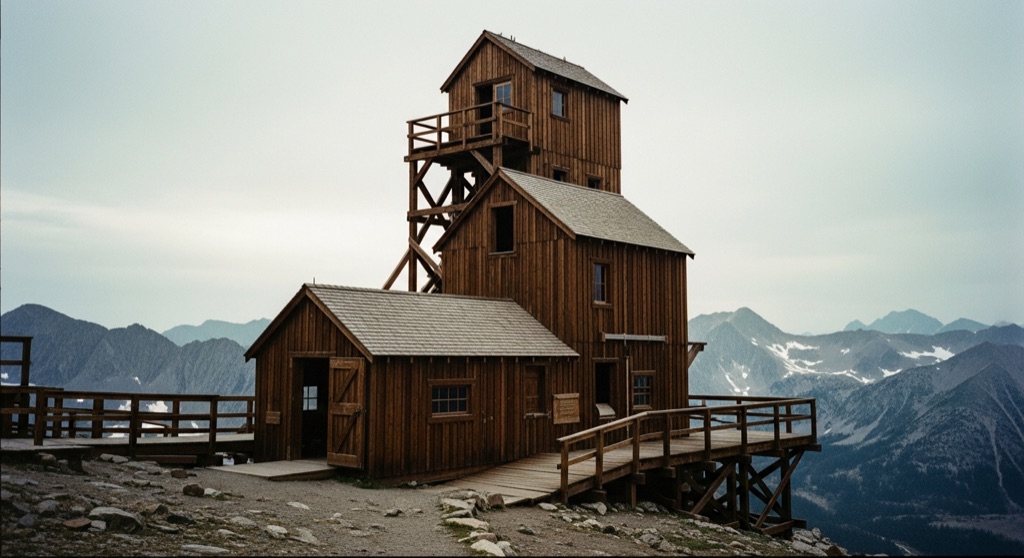 Santiago MineView only
Perched at over 12,000 feet in the Waldorf Basin, the Santiago Mine and Mill is a remarkably preserved 1930s gold flotation mill. Originally constructed in 1935, the multi-level wooden structure still houses its original jaw crusher, ball mill, and flotation machinery. Today, the U.S. Forest Service and local stewards work to preserve the site, which is surrounded by dramatic alpine tundra.
Santiago MineView only
Perched at over 12,000 feet in the Waldorf Basin, the Santiago Mine and Mill is a remarkably preserved 1930s gold flotation mill. Originally constructed in 1935, the multi-level wooden structure still houses its original jaw crusher, ball mill, and flotation machinery. Today, the U.S. Forest Service and local stewards work to preserve the site, which is surrounded by dramatic alpine tundra.
-
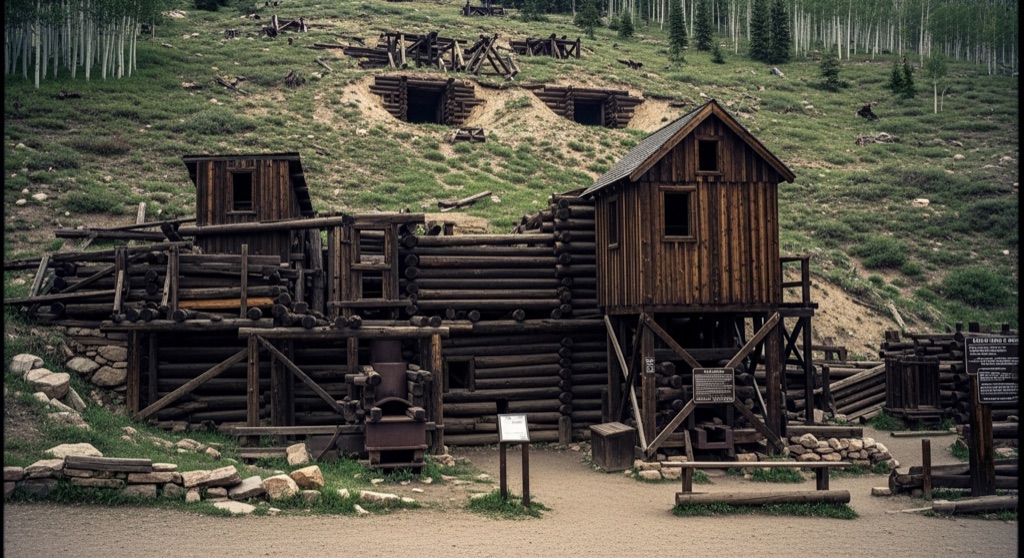 The Jessie Mine and MillView only
Active from the late 1880s to the early 1900s, the Jessie Mine and Mill was once one of the largest gold, silver, and lead mining complexes in the Breckenridge area. Today, the partially intact 1893 wooden stamp mill—the only remaining stamp mill in Summit County—stands as a striking relic of the gold rush. Visitors can also spot the remains of several mine openings on the hillside above the mill structure.
The Jessie Mine and MillView only
Active from the late 1880s to the early 1900s, the Jessie Mine and Mill was once one of the largest gold, silver, and lead mining complexes in the Breckenridge area. Today, the partially intact 1893 wooden stamp mill—the only remaining stamp mill in Summit County—stands as a striking relic of the gold rush. Visitors can also spot the remains of several mine openings on the hillside above the mill structure.
-
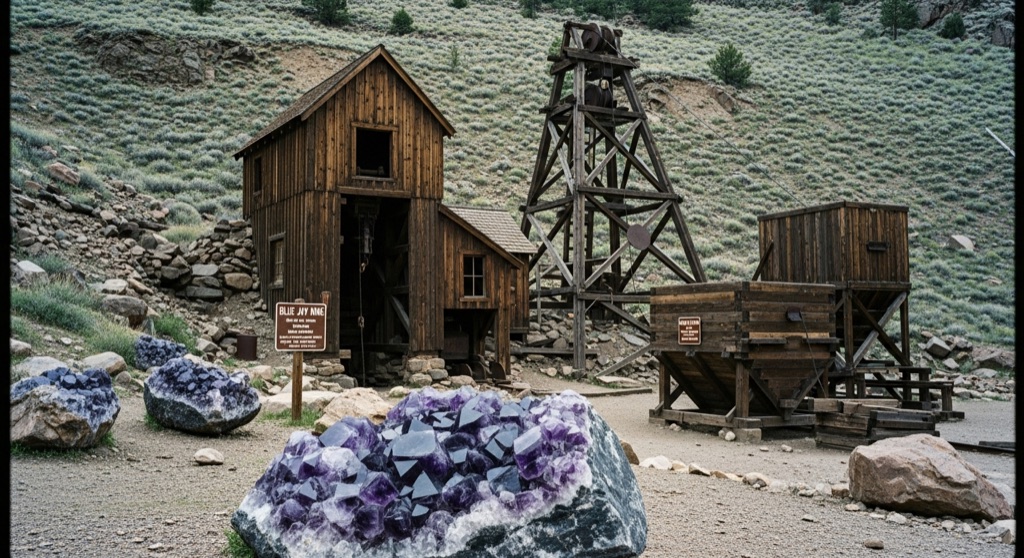 Blue Jay MineView only
The Blue Jay Mine is a historic fluorspar mine located southwest of Jamestown, Colorado, that operated from the early 1900s through the mid-20th century. It was once one of the largest producers of fluorspar in the Jamestown Mining District, a mineral crucial for smelting steel. Today, the 41-acre open space preserves the mine's historic surface features, including a hoist house, headframe, and ore bin, surrounded by scattered purple fluorite.
Blue Jay MineView only
The Blue Jay Mine is a historic fluorspar mine located southwest of Jamestown, Colorado, that operated from the early 1900s through the mid-20th century. It was once one of the largest producers of fluorspar in the Jamestown Mining District, a mineral crucial for smelting steel. Today, the 41-acre open space preserves the mine's historic surface features, including a hoist house, headframe, and ore bin, surrounded by scattered purple fluorite.
-
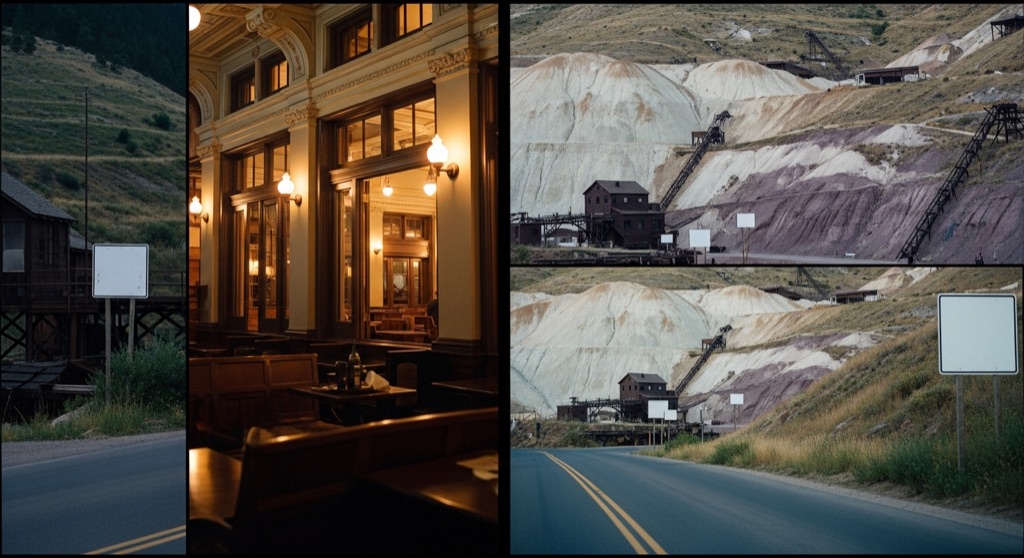 Burlington MineView only
Operating from 1920 to 1973, the Burlington Mine was once a premier fluorspar-producing site in the western United States. Following its closure, underground collapses created a massive 300-foot-deep surface pit, which has since been backfilled and capped during extensive ecological reclamation. Today, while the main shafts are sealed, colorful whitish-tan and purple-tinted mine tailings remain visible along the hillsides.
Burlington MineView only
Operating from 1920 to 1973, the Burlington Mine was once a premier fluorspar-producing site in the western United States. Following its closure, underground collapses created a massive 300-foot-deep surface pit, which has since been backfilled and capped during extensive ecological reclamation. Today, while the main shafts are sealed, colorful whitish-tan and purple-tinted mine tailings remain visible along the hillsides.
-
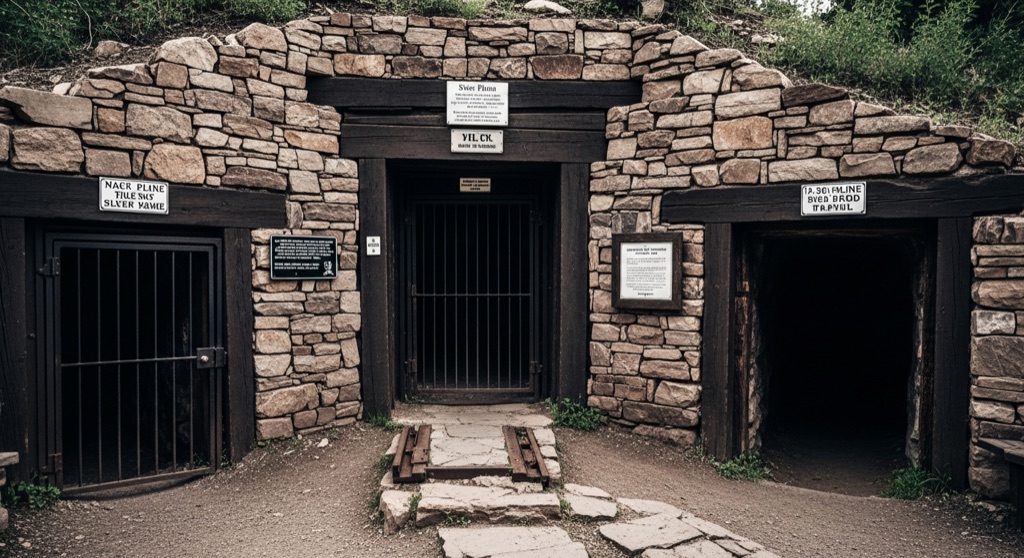 7:30 MineView only
The 7:30 Mine was one of the premier silver producers in the Silver Plume area during the Colorado Silver Boom of the late 19th century. Named for its late-starting 7:30 AM work shift, the site is famously associated with mine manager Clifford Griffin, who serenaded the town with his violin before tragically taking his own life here in 1887. Today, hikers can follow the steep 7:30 Mine Trail to view barred-off mine portals, tailing piles, and the 10-foot granite Griffin Monument erected in his honor.
7:30 MineView only
The 7:30 Mine was one of the premier silver producers in the Silver Plume area during the Colorado Silver Boom of the late 19th century. Named for its late-starting 7:30 AM work shift, the site is famously associated with mine manager Clifford Griffin, who serenaded the town with his violin before tragically taking his own life here in 1887. Today, hikers can follow the steep 7:30 Mine Trail to view barred-off mine portals, tailing piles, and the 10-foot granite Griffin Monument erected in his honor.
-
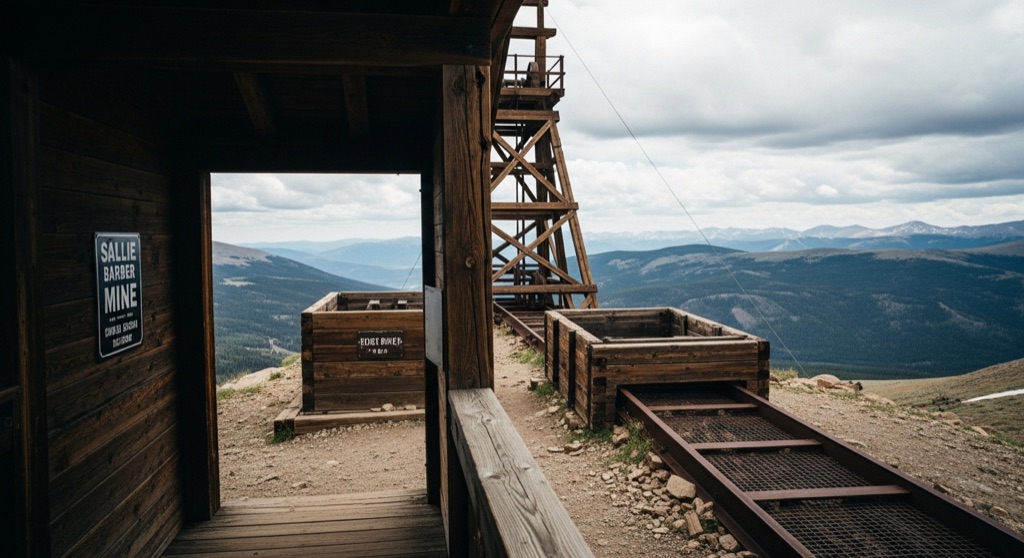 Sallie Barber MineView only
Perched high in the Golden Horseshoe mining district near Breckenridge, the Sallie Barber Mine is a historic zinc mine established in 1880. Today, visitors can hike or bike to the site to find a well-preserved wooden headframe, ore bins, and a steel-grated shaft. The surrounding area offers expansive views of French Gulch and the remnants of Summit County's rich mining era.
Sallie Barber MineView only
Perched high in the Golden Horseshoe mining district near Breckenridge, the Sallie Barber Mine is a historic zinc mine established in 1880. Today, visitors can hike or bike to the site to find a well-preserved wooden headframe, ore bins, and a steel-grated shaft. The surrounding area offers expansive views of French Gulch and the remnants of Summit County's rich mining era.
-
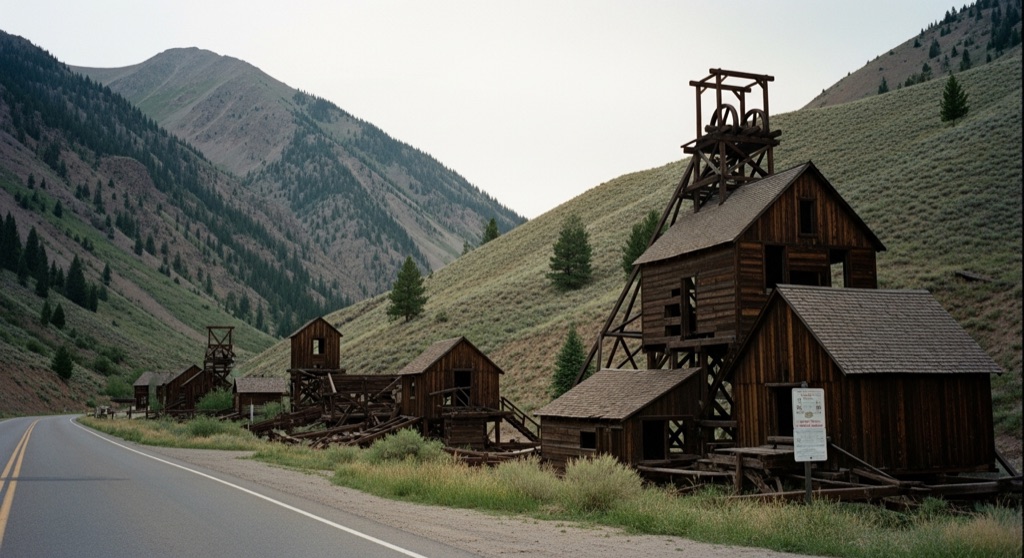 Old Town MineView only
Located in the historic Russell Mining District, the Old Town Mine was one of the most consistently profitable gold and pyrite producers along the narrow-gauge Gilpin Tramway. First developed in the late 1880s, the mine eventually reached a depth of over 2,200 feet and was connected directly to the Argo Tunnel for drainage. Today, the weathered remains of the mine's structures, tailings, and nearby headframes sit silently in the mountain landscape of Russell Gulch.
Old Town MineView only
Located in the historic Russell Mining District, the Old Town Mine was one of the most consistently profitable gold and pyrite producers along the narrow-gauge Gilpin Tramway. First developed in the late 1880s, the mine eventually reached a depth of over 2,200 feet and was connected directly to the Argo Tunnel for drainage. Today, the weathered remains of the mine's structures, tailings, and nearby headframes sit silently in the mountain landscape of Russell Gulch.
-
 Boodle MineView only
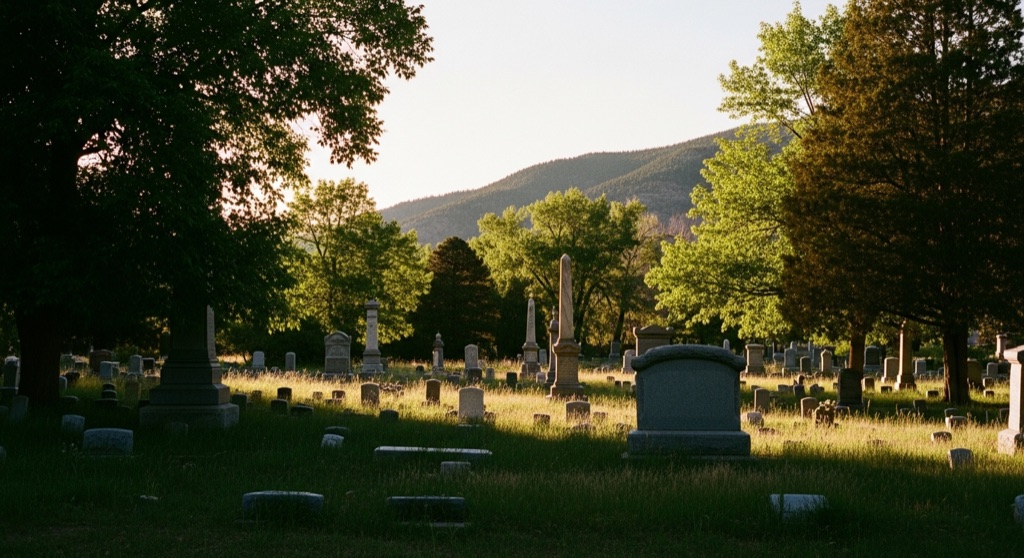
The Boodle Mine is a historic late-19th-century gold mine and processing mill located just west of Central City along Eureka Street. It operated primarily during the gold rush era and into the mid-20th century, producing gold, silver, and other metals. Today, the rehabilitated wooden exterior of the mine and mill buildings stands as a striking landmark, though the underground workings remain sealed and off-limits.
Boodle MineView only
The Boodle Mine is a historic late-19th-century gold mine and processing mill located just west of Central City along Eureka Street. It operated primarily during the gold rush era and into the mid-20th century, producing gold, silver, and other metals. Today, the rehabilitated wooden exterior of the mine and mill buildings stands as a striking landmark, though the underground workings remain sealed and off-limits.
-
 Historic Tallman HomesteadOpen to visit
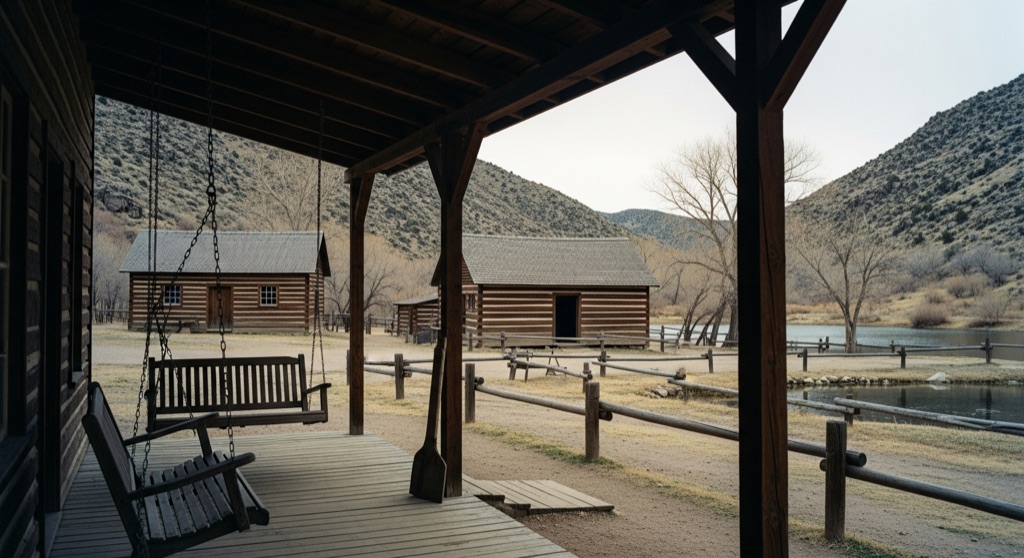
Tucked away in the 'Forgotten Valley' of Golden Gate Canyon State Park, this historic homestead was established in 1876 by Swedish immigrant Anders Tallman. The site features the original main ranch house, a stable, and a chicken coop, all situated next to a scenic, trout-stocked pond. Visitors can hike to the preserved structures, which remained home to four generations of the Tallman family before being integrated into the state park.
Historic Tallman HomesteadOpen to visit
Tucked away in the 'Forgotten Valley' of Golden Gate Canyon State Park, this historic homestead was established in 1876 by Swedish immigrant Anders Tallman. The site features the original main ranch house, a stable, and a chicken coop, all situated next to a scenic, trout-stocked pond. Visitors can hike to the preserved structures, which remained home to four generations of the Tallman family before being integrated into the state park.
-
 The Birch RuinsOpen to visit
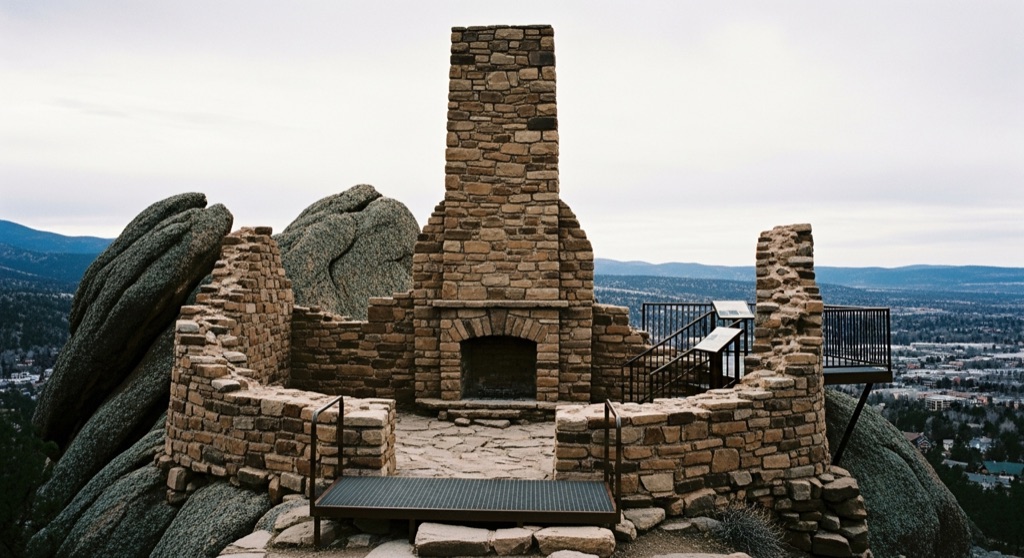
Perched on a 75-foot rock outcropping overlooking downtown Estes Park, these are the stone remnants of Albert Birch's 1904 bungalow, nicknamed 'Jacob's Ladder.' The rustic summer home was tragically destroyed by a fire on a bitterly cold night in December 1907, leaving behind only its massive stone fireplace and outer masonry walls. Today, the ruins are preserved within the Centennial Open Space at Knoll-Willows, offering visitors a window into early 20th-century mountain retreat history.
The Birch RuinsOpen to visit
Perched on a 75-foot rock outcropping overlooking downtown Estes Park, these are the stone remnants of Albert Birch's 1904 bungalow, nicknamed 'Jacob's Ladder.' The rustic summer home was tragically destroyed by a fire on a bitterly cold night in December 1907, leaving behind only its massive stone fireplace and outer masonry walls. Today, the ruins are preserved within the Centennial Open Space at Knoll-Willows, offering visitors a window into early 20th-century mountain retreat history.
Abandoned places in Boulder — FAQ
Is it legal to visit abandoned places around Boulder?
It depends on the site, and each listing here says explicitly — with the reason. Of the 15 with a verified access status: 4 are legal to enter (like Crags Hotel Ruins at Rattlesnake Gulch and Homestead Meadows), 11 are view-only from public land or roadside, and 0 are private property or genuinely unsafe — those are marked "do not enter" rather than romanticised.
Which abandoned & forgotten places in Boulder are the strangest?
Ranked by how strange they actually are: Crags Hotel Ruins at Rattlesnake Gulch, Homestead Meadows and Santiago Mine. Crags Hotel Ruins at Rattlesnake Gulch — In 1908, the Hotel Crags opened as a grand resort perched 800 feet above Eldorado Canyon, reachable by burro, an inclined tramway, and the Union Pacific's Moffat Road trains running day-trippers from Denver.
Where in Boulder are they?
Across Boulder, Ward, Gold Hill, Estes Park and Santiago Mine and 7 more. Each listing gives the neighborhood and address so you can cluster a couple into one outing.
Are any of the abandoned & forgotten places in Boulder free?
Yes — 14 are free to visit, including Devil's Slide Trestles (Rollins Pass), Ward Ghost Town (Old Ward) and Gold Hill Historic District (Colorado's First Mining Town). The rest are mostly low-cost.
Is this a good weird date in Boulder?
That's what the list is built for. Every entry has a specific move rather than a vague recommendation — at Crags Hotel Ruins at Rattlesnake Gulch, for instance: Hike the 1.4-mile Rattlesnake Gulch Trail together and piece together the hotel's layout from the stone remains. Pack a lunch and eat it on the foundation walls with canyon views — a picnic in a place that once served Denver society on a grand terrace.
How were these abandoned & forgotten places chosen?
An agentic research system digs for the genuinely obscure — the spots even locals miss — and every one is verified against real sources before it makes the list. We deliberately skip the landmarks already on every Boulder guide.